
Overview
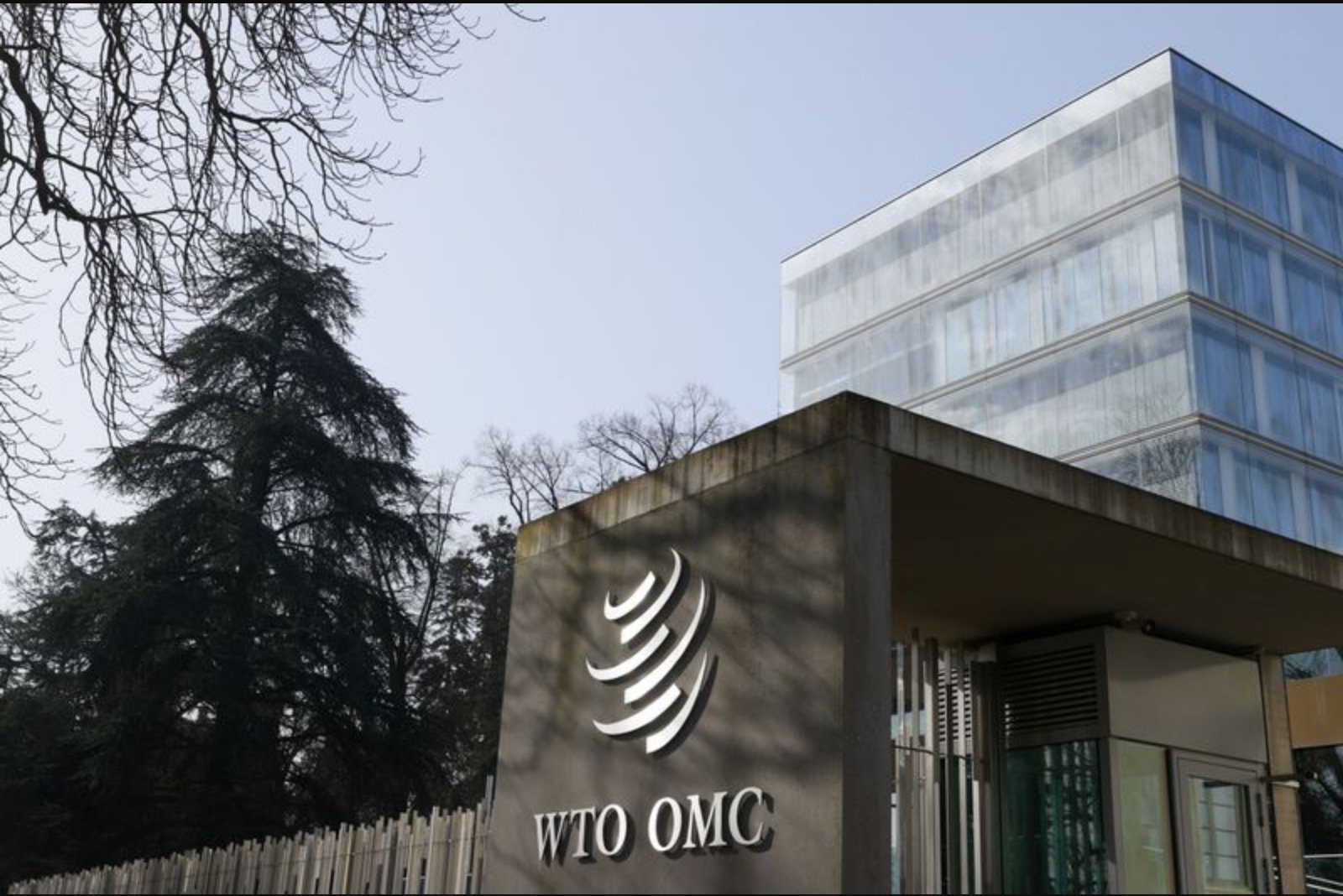
The e-commerce moratorium is an agreement among World Trade Organization members that prevents the imposition of customs duties on electronic transmissions. It applies to cross-border digital deliveries including software downloads, e-books, music and movie streaming, and video games. Adopted at the WTO's Second Ministerial Conference in Geneva in 1998 as a measure to foster early growth in digital trade, the moratorium was intended to be temporary. Since then it has been renewed roughly every two years at successive ministerial conferences and was most recently extended for two years at the 13th ministerial meeting in 2024. The moratorium is scheduled to expire at the 14th WTO ministerial in Yaounde, Cameroon.
Arguments in favor of maintaining the ban on duties
Governments representing large digital economies - including the United States, the European Union, Canada and Japan - argue for a permanent extension. Their position emphasizes predictability for international digital commerce. The United States has framed the moratorium as supporting major American technology companies such as Amazon, Microsoft and Apple by removing the risk and cost that duties could introduce to cross-border digital trade.
More than 200 global business organizations have signed a joint statement calling for the moratorium to be extended. The International Chamber of Commerce has warned that allowing the moratorium to lapse would increase costs, fragment the internet and reduce the ability of businesses to engage in cross-border digital trade.
Arguments against continued protection from tariffs
Some developing countries, notably India, have opposed the moratorium on the basis that it denies them tariff revenue that could be used for infrastructure investment and efforts to close the digital divide. Critics argue the moratorium has not supported the growth of digital economies in lower-income countries and may instead reinforce the market dominance of large technology firms headquartered in advanced economies.
Sofia Scasserra of the Transnational Institute is cited as saying the moratorium has failed to bolster developing countries' digital economies and has entrenched the dominance of U.S. and other advanced Big Tech companies. Research cited includes a 2019 United Nations Conference on Trade and Development paper estimating a potential tariff revenue loss to developing countries of $10 billion in 2017 from the moratorium. By contrast, an OECD study found that much of the lost tariff revenue could be recovered through value added tax or goods and services tax on imported digital services.
Positions put forward at the Cameroon ministerial
Four formal proposals have been submitted for consideration at the Yaounde meeting. The African, Caribbean and Pacific Group has proposed extending the moratorium until the next ministerial conference. The United States is seeking a permanent extension. A coalition that includes Switzerland has proposed a permanent extension coupled with the creation of a committee on digital trade. Brazil has submitted a plan to extend the moratorium until the next conference and to establish a digital trade committee.
Implications and context
The debate over the moratorium reflects tensions between preserving predictable, low-cost cross-border digital services for businesses and preserving potential revenue and regulatory space for governments. Sectors directly affected include technology and digital services providers, cross-border e-commerce participants, and government revenue systems tied to customs and indirect taxation. With differing proposals on the table at the Cameroon ministerial, the outcome will determine whether the ban on customs duties for electronic transmissions continues temporarily, is made permanent, or is reshaped with new institutional oversight through a digital trade committee.
Key points
- The e-commerce moratorium bars customs duties on electronic transmissions such as software, streaming and digital downloads and has been renewed periodically since 1998.
- Proponents, including the U.S., EU, Canada and Japan, favor a permanent extension to preserve predictability for global digital trade and major technology firms.
- Opponents, notably some developing countries and critics, argue the moratorium limits tariff revenue and may entrench dominance by large tech companies; estimates of revenue impact vary.
Risks and uncertainties
- Loss of tariff revenue for developing countries - this risk affects public finances and infrastructure funding in lower-income nations.
- Potential fragmentation of the internet and higher costs for businesses if the moratorium lapses - this would impact digital services providers and cross-border commerce.
- Concentration of market power among major tech firms if the moratorium continues without measures to broaden digital development in emerging markets - this affects competition dynamics in the technology sector.