
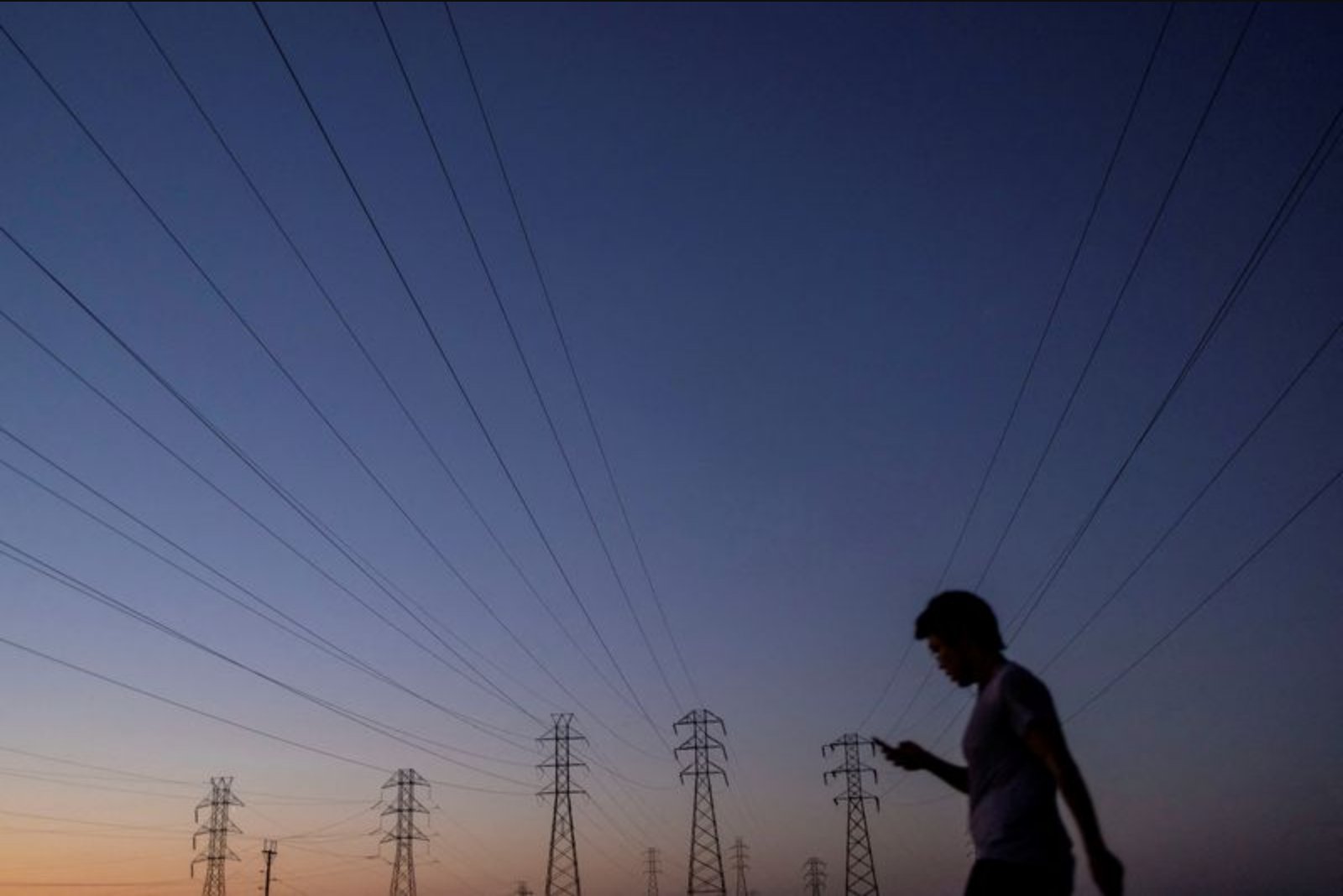
Several leading European power companies are outlining significant U.S. investment programs as the American market experiences record electricity consumption, especially from data centers. The attraction of rapid demand growth is prompting utility groups and energy manufacturers to allocate substantial capital to power generation, transmission and manufacturing facilities in the United States despite a history of rocky expansions and costly writeoffs.
Industry estimates underscore the scale of the opportunity. The Edison Electric Institute reported in July that U.S.-regulated utilities alone are expected to invest around 1.1 trillion dollars between 2025 and 2029 to meet rising electricity needs. That prospect has drawn interest from both traditional domestic players and a range of international companies seeking exposure to an expanding market.
Large-scale capital commitments
Spanish energy group Iberdrola has signalled the U.S. as a central growth market, saying it will direct a large portion of its planned 58 billion euros in grid investment through 2028 to America. At the CERAWeek conference in Houston, Iberdrola Executive Chairman Ignacio Galan described the current moment as "absolutely unique," saying the company is prepared to pursue that opportunity.
Germany's RWE also plans substantial U.S. outlays. The company said it will allocate 17 billion euros of a 35 billion euro investment program through 2031 to build renewables, natural gas generation and battery storage in the United States. Separately, Siemens Energy is expanding its U.S. manufacturing footprint, committing one billion dollars to increase turbine and grid manufacturing capacity.
History of setbacks in U.S. expansions
Despite renewed enthusiasm, European utilities have not had a uniformly successful record in the United States. Some firms have suffered significant financial setbacks tied to U.S. projects. Danish company Orsted has recorded writeoffs worth several billion dollars since 2023, largely linked to offshore wind projects in America that faced delays and cost overruns. Other European players, including France's EDF and the British majors BP and Shell, devoted years to building renewable power portfolios in the United States but later looked to divest some or all of those assets as strategic priorities shifted.
Iberdrola itself experienced a high-profile setback through its U.S. subsidiary Avangrid, which spent three years trying to acquire utility PNM Resources before abandoning the deal amid opposition from local regulators. Regulators concluded that the potential risks of the transaction exceeded the benefits to state ratepayers, leading Iberdrola to walk away from the purchase.
Policy and market uncertainty
Political and policy winds in Washington have added another layer of complexity for foreign investors. Different U.S. administrations have favoured divergent energy approaches. The current U.S. President has signalled preference for fossil fuels and nuclear power and has been seen as adversarial to renewable technologies such as offshore wind. That policy stance contributed to TotalEnergies' recent decision to exchange offshore wind leases for funding to develop U.S. oil and natural gas assets.
Those shifts underscore the need for flexibility among companies pursuing U.S. opportunities and help explain why some European firms have changed course on asset allocations in America.
Why Europe is still moving into the U.S.
Advisers and bankers highlight the sheer scale of the U.S. investment requirement as a principal driver for renewed European interest. George Bilicic, vice chairman of investment banking at Lazard, said the magnitude of opportunities in the U.S. dwarfs concerns about past difficulties. He pointed to abundant greenfield projects, a fragmented power market and plentiful merger and acquisition targets as reasons why investors are drawn to the United States.
European companies bring capital and technical experience at a time when the U.S. power system faces sweeping spending needs. Natural gas, cited in the market as a reliable source for data center power, is an area where some European firms have deep operational experience. RWE, for example, operates one of the largest natural gas power fleets in Europe.
Strategic balance and supply-chain scale
Executives argue that pursuing U.S. markets supports diversification and helps achieve scale in supply chains at a time of elevated growth. Markus Krebber, CEO of RWE, said that while Europe and the United States differ in certain policy and trade fundamentals, both regions are effectively building similar mixes of generation assets. Krebber noted that broadening investments across the Atlantic is a strategy to balance the company’s portfolio, with RWE targeting a split of spending evenly between the U.S. and Europe.
He described the expansion into the United States as part of a deliberate effort to secure scale advantages and manage supply chain requirements that come with rapid demand growth in the power sector.
Market commentary and investor tools
Market analysis firms and investment platforms are tracking these moves closely. One AI-driven investment tool mentioned in the market commentary evaluates specific companies, including BP, across a wide set of financial metrics each month to surface stock ideas. That tool highlighted prior successful picks such as Super Micro Computer and AppLovin, noting past returns for those selections.
Currency context is also provided in market reporting: at the time of the conference, the exchange rate used in coverage was 1 dollar equals 0.8727 euros.
Outlook
European utilities’ re-engagement with the U.S. market reflects a confluence of robust demand growth, sizeable investment needs and the technical competencies those firms can deploy. Yet the past record of costly writeoffs, regulatory pushback and shifting political preferences in the United States remains a constraint that companies must manage as they execute on their plans.
How successfully European firms translate their stated capital commitments into long-term, productive assets in the United States will depend on navigating regulatory landscapes, project execution risks and policy changes - challenges that have already shaped past transatlantic investment outcomes.