
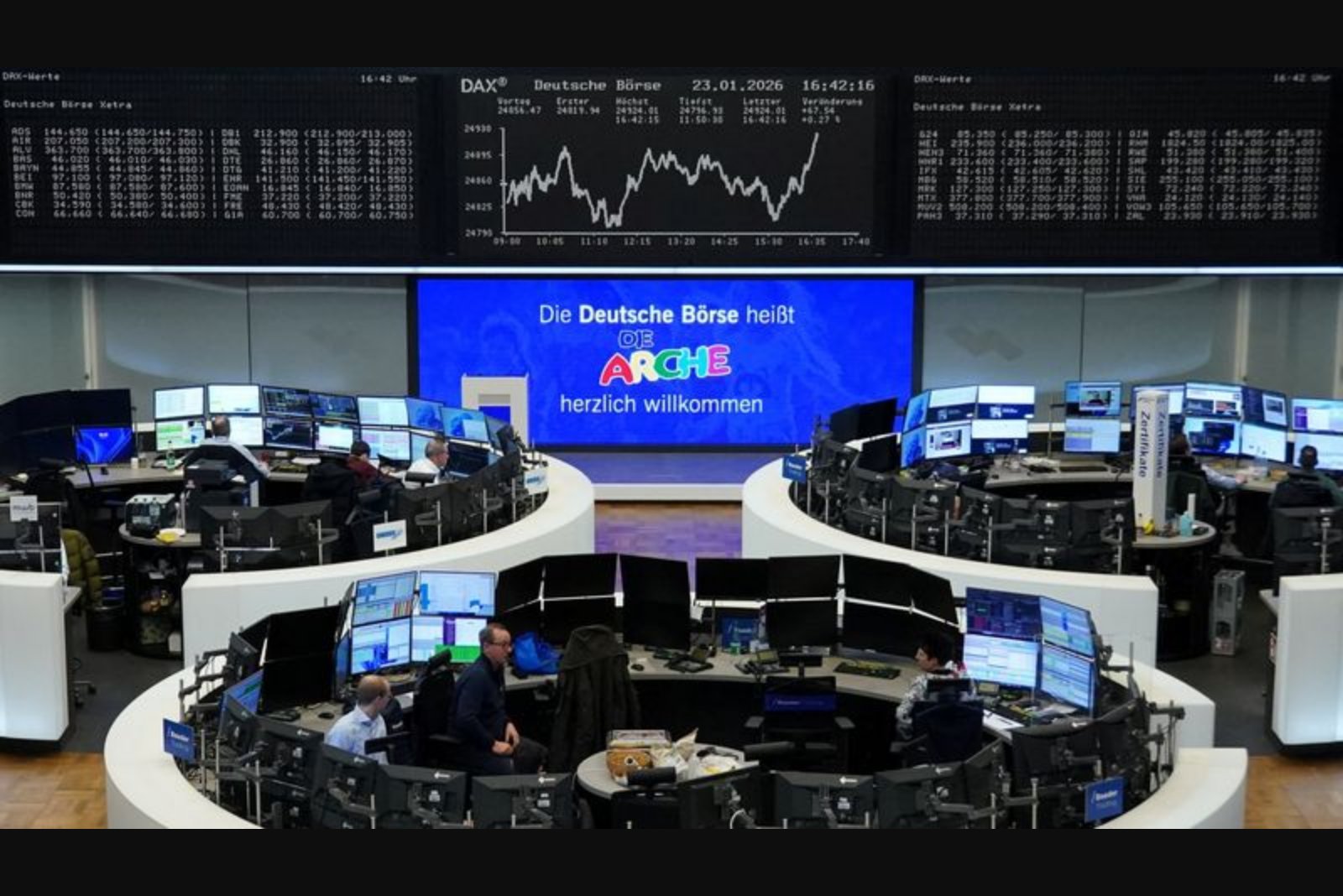
European share indices nudged higher on Tuesday, pulling back from the multi-month trough reached in the prior session as investors attempted to reconcile mixed information from the ongoing conflict in the Middle East with the potential economic fallout from an energy disruption.
Market snapshot - The pan-European STOXX 600 was trading up 0.3% at 578.45 points by 0803 GMT, recovering from a level that had marked its lowest close since November 2025 in the previous session. Energy stocks extended gains in tandem with a rise in oil prices, but overall upside remained constrained.
Geopolitical developments and market reaction - Global equities staged a rebound after U.S. President Donald Trump postponed an offensive against Iran, stating that positive talks were underway. Tehran dismissed that account as "worn-out psychological operations". The Strait of Hormuz - which carries one-fifth of the world’s oil trade - has been largely shut, a situation that has heightened concerns that an energy shock could feed into inflationary pressures in Europe, given the region’s reliance on that route for oil supplies.
Notable movers - In individual stock action, SAP slipped 2.2% following J.P. Morgan’s downgrade of the German software maker from an overweight rating to neutral. By contrast, Puig jumped 16% after announcements that Estee Lauder and the Spanish beauty group were in talks about a potential merger.
Macro focus - Market participants are also awaiting euro zone flash PMI readings for March, due later in the day, which could add clarity to the near-term economic picture in Europe and influence market direction.
Promotional content reflected in original reporting - The article includes a reference to an AI stock-screening product that evaluates SAPG and other companies using a broad set of financial metrics. That service highlights past winners and describes its process as data-driven and unbiased, and references performance examples noted in the original text.
Investors remain caught between geopolitical developments that could push energy costs higher and market-sensitive economic data that will influence risk appetite. In this environment, sector moves are likely to be driven by energy price paths and earnings or brokerage-driven re-ratings in economically sensitive industries.