
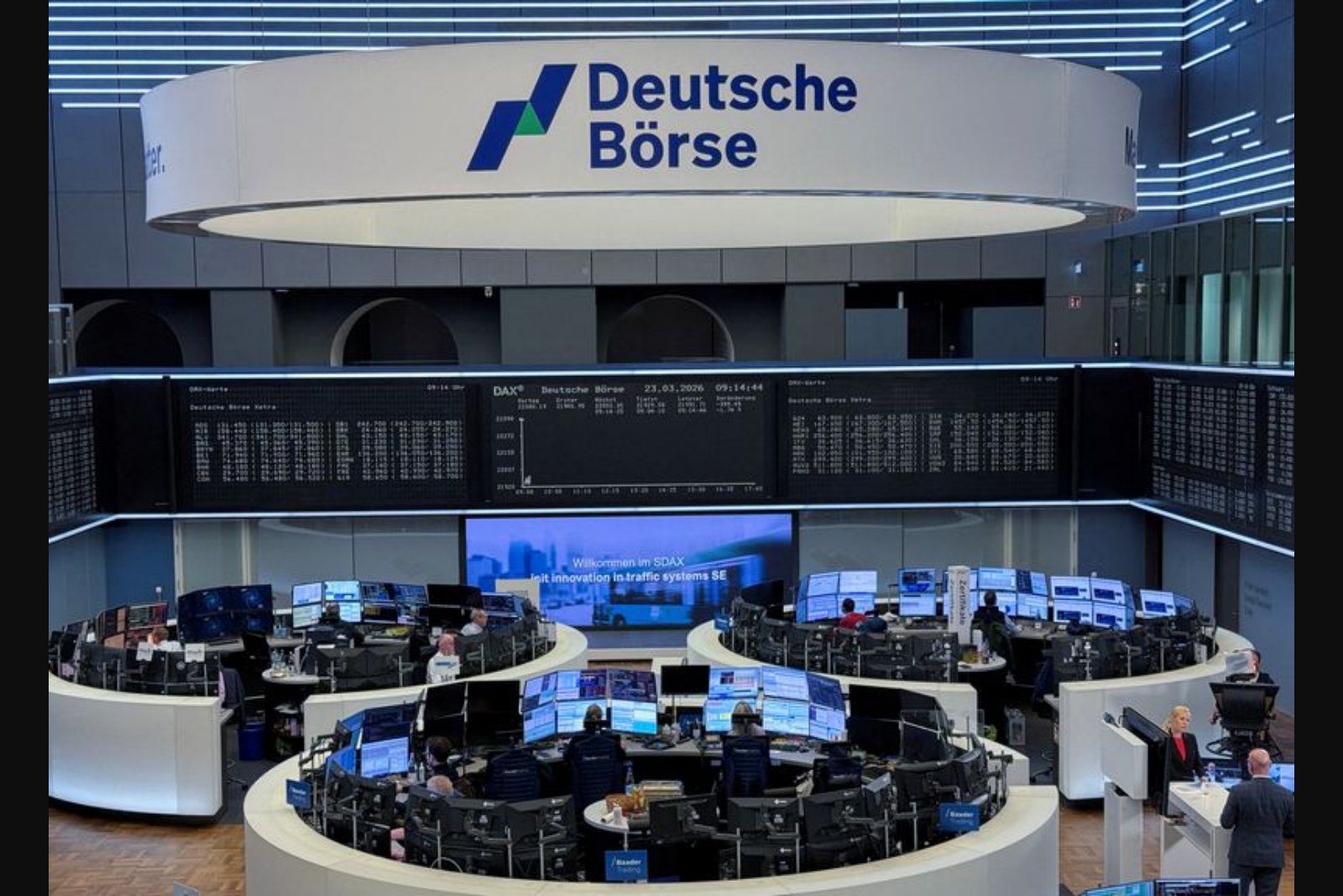
March 25 - European equities strengthened on Wednesday as markets reacted to developments that suggested a possible de-escalation in the Middle East, though investors remained wary about the economic fallout should the conflict continue. The pan-European STOXX 600 rose 1.3% to 586.73 points by 0812 GMT after reversing some losses from the previous session.
Sector performance showed a clear tilt toward travel and financial names. The travel and leisure sector, which had been pressured earlier in the month, gained 2%, while banks added 1.6%. Airlines that are sensitive to oil price swings outperformed peers, with Lufthansa and Air France up 2.4% and 3.7%, respectively.
Political signals underpinned the market move. President Donald Trump said the U.S. was making progress in efforts to negotiate an end to the war with Iran, and a source confirmed that Washington had sent Iran a 15-point settlement proposal. Tehran, however, denied that direct talks had taken place, with a spokesperson accusing the U.S. of "negotiating with itself." There remains limited clarity on whether any diplomatic engagement would lead to the reopening of the Strait of Hormuz, which the article notes has been largely cut off since the Iran war erupted.
Energy markets responded to the tense but slightly more hopeful tone. Oil prices eased below the $100 mark, though the piece warns that the longer-term economic consequences from the recent price spike could be drawn out. That persistence in elevated energy costs is an undercurrent that could temper gains in sectors sensitive to fuel prices.
On the corporate front, Spanish drugmaker Grifols led individual stock moves after announcing approval of a U.S. initial public offering for its U.S. biopharma unit; Grifols climbed 8.1% on the news. The article also draws attention to airlines benefiting from lower oil-driven cost pressure following the slide in crude.
Overall, Wednesday's rally reflected a mixture of relief-driven buying and cautious positioning. Market participants appear willing to reward stocks most exposed to a reduction in geopolitical risk, but remaining uncertainties about negotiations and regional transport chokepoints kept a lid on broader exuberance.