
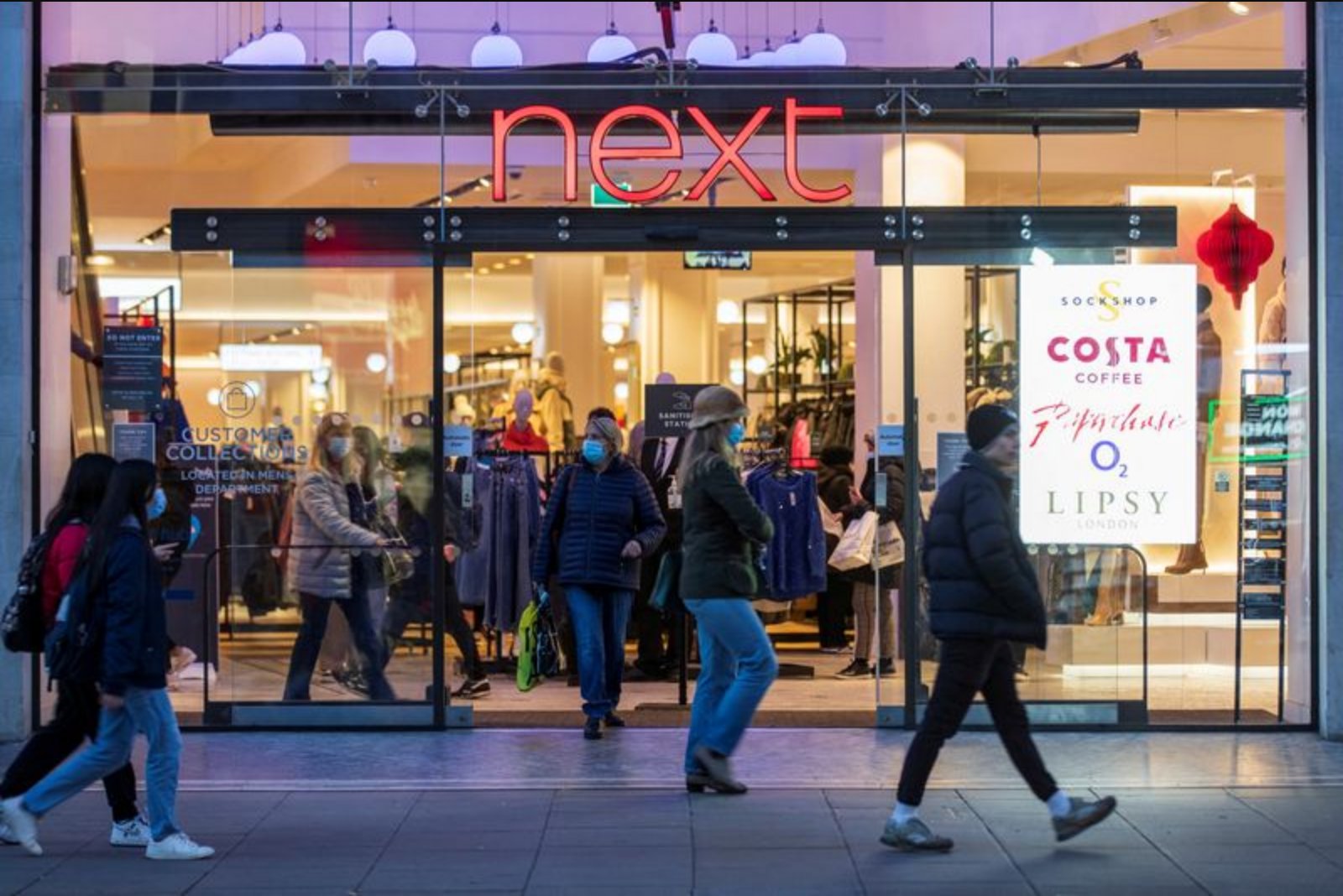
Europe's retail sector is warning that an extended conflict in the Middle East could translate into higher shelf prices and softer consumer demand, with several prominent companies pointing to rising energy and transport costs as the main transmission channels.
Executives from clothing groups and supermarket operators said the month-old war - which has pushed crude above $100 per barrel - is already putting upward pressure on logistics expenses and disrupting trade flows, and that a longer conflict would amplify those effects.
H&M's chief executive, Daniel Erver, said in an interview that "A continued conflict, such as with continued high energy prices, will create inflationary pressure on a consumer who already has tough inflationary pressure." The Swedish-based retailer, which reported soft sales in March that weighed on its shares despite a first-quarter profit beat, said its flexible supply chain provides some capacity to adjust to fallout from the conflict.
Sticker price shock if war drags on
UK clothing retailer Next said it has provisioned for an additional 15 million pounds of fuel, freight and related costs tied to the conflict, on the assumption of three months of disruption. Chief executive Simon Wolfson said that any price increase for consumers in June or July would likely be "in the order of 1% to 2% maximum," but warned that the rise could grow if the conflict persists.
"The real risk is later when you start to see (the impact of the war) in the price of manufactured goods. Then the price increases could be not 1% or 2% but 5% to 10%," Wolfson said.
Next reported a narrow profit beat for the year through January, and Wolfson noted that so far shoppers are still spending: "Our experience has been that generally people only tighten their belts when prices actually go up or taxes actually go up rather than in anticipation of it." He added the company had not observed a notable decline in UK sales since the war began.
Poland's largest fashion retailer, LPP, reported upbeat fourth-quarter results but flagged that surging fuel costs driven by the conflict could hurt its performance this year by elevating transport and distribution expenses.
Consumer confidence remains 'fragile'
Data and surveys indicate consumers are already feeling pressure. British retail sales fell this month at the steepest pace since April 2020 in a Confederation of British Industry survey released on Tuesday, and a separate British Retail Consortium survey on Thursday registered a marked collapse in UK consumer confidence in March.
Across the continent, sentiment indicators are deteriorating: German household confidence is weakening as energy-driven cost risks rise, and Italian consumer morale slipped in March to its lowest point since late 2023.
Companies operating in Asia that sell items ranging from beer and crisps to noodles, toys and cosmetics also report they are bracing for supply-chain disruption and cost pressure as the conflict affects global flows.
Outgoing Co-op chief executive Shirine Khoury-Haq summarized the mood on the consumer side: "Consumer confidence does remain fragile," she said, noting that the war and elevated household cost pressures are keeping shoppers cautious.
Matt Hood, managing director of Co-op food, said he had not yet identified a direct impact from the war on inflation visible at the "shelf edge" but described it as a looming risk. He cautioned: "There is no doubt that if this continues in the mid to longer term, the concerns around cost on commodities such as animal feed, fertilizer and fuel are valid, and we can’t sit here and underestimate those."
($1 = 0.7482 pounds)
Investor and market implications
Retailers' warnings highlight two primary channels through which the conflict could influence markets and company performance: first, higher crude prices feed directly into fuel and freight bills, increasing operating costs for logistics-intensive sectors; second, rising input and distribution costs can translate into higher consumer prices, which risks reducing demand if households respond by cutting spending.
So far, some retailers report only early impacts on margins and limited effects on sales volumes, but executives stressed the risk grows if the conflict persists beyond the short term.
Should you be buying NXT right now?
ProPicks AI evaluates NXT alongside thousands of other companies every month using 100+ financial metrics. Using powerful AI to generate exciting stock ideas, it looks beyond popularity to assess fundamentals, momentum, and valuation. The AI has no bias - it simply identifies which stocks offer the best risk-reward based on current data with notable past winners that include Super Micro Computer (+185%) and AppLovin (+157%).
Want to know if NXT is currently featured in any ProPicks AI strategies, or if there are better opportunities in the same space? See Stocks