
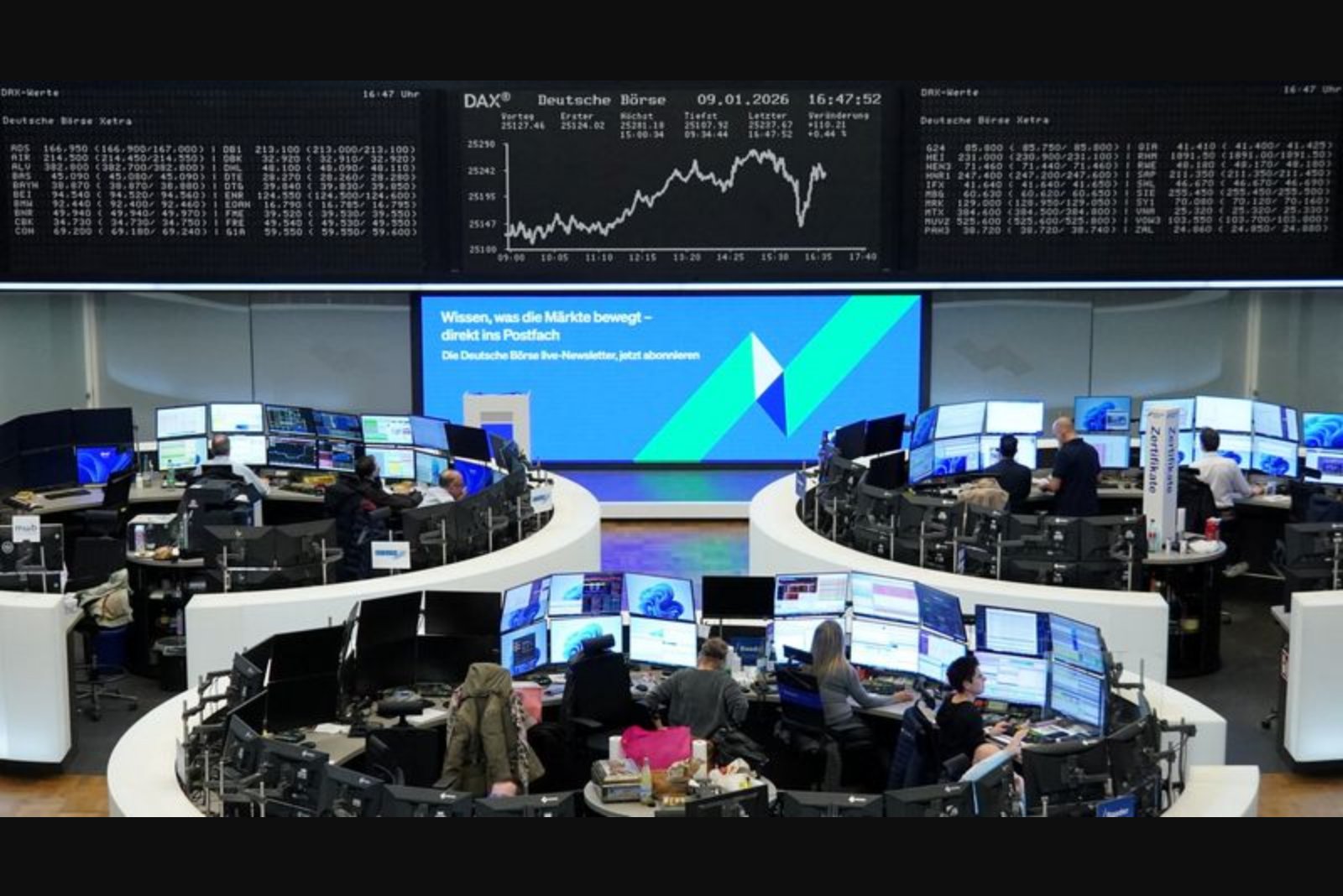
March 9 - European share prices fell sharply on Monday, falling to their weakest point in more than two months as oil climbed and geopolitical uncertainty deepened. The pan-European benchmark slid for a third consecutive session, dropping 2.34% to 585.08 points by 0810 GMT.
Markets were still feeling the aftereffects of a heavy sell-off last week, when the index lost 5.5% - its worst weekly performance in nearly a year. This latest leg lower coincided with a dramatic jump in crude oil, which surged by more than 25% and traded just under $120 a barrel, amplifying concerns about renewed inflationary pressure and potential disruptions to shipping and supply chains amid an expanding Middle East conflict.
Political developments in Iran added to market anxiety. Iran named Mojtaba Khamenei to succeed his father Ali Khamenei as supreme leader, a move market participants interpreted as reinforcing hardline control in Tehran.
Sectors diverged as volatility spread through financial markets. Banks, which bore the brunt of last week’s selling, extended losses with a 3.2% drop, while technology stocks declined 3.1%. Major European carriers continued to feel pressure from the disruption in travel and logistics, with Lufthansa down 3.9% and Air France KLM sliding 5.2%.
Higher oil did, however, provide some support for energy names, which edged 0.1% higher on the session. Defense contractor Leonardo gained 1.4%, benefiting from the sector rotation toward companies exposed to heightened security spending expectations.
Investor attention is expected to remain focused on central bank signals and policy commentary. ECB President Christine Lagarde is due to speak, and board member Piero Cipollone, along with euro zone finance ministers, are scheduled to address officials at a Eurogroup meeting later in the day.
On the economic data front, Germany reported that industrial orders fell by more than expected month-on-month in January, a sign of weakening activity in Europe’s largest economy that could weigh further on investor sentiment.
Market snapshot:
- Pan-European benchmark: -2.34% at 585.08 by 0810 GMT
- Weekly decline prior week: -5.5% (worst week in nearly a year)
- Oil: up more than 25%, trading just under $120 a barrel
- Banks: -3.2%; Technology: -3.1%
- Lufthansa: -3.9%; Air France KLM: -5.2%
- Energy sector: +0.1%; Leonardo: +1.4%