
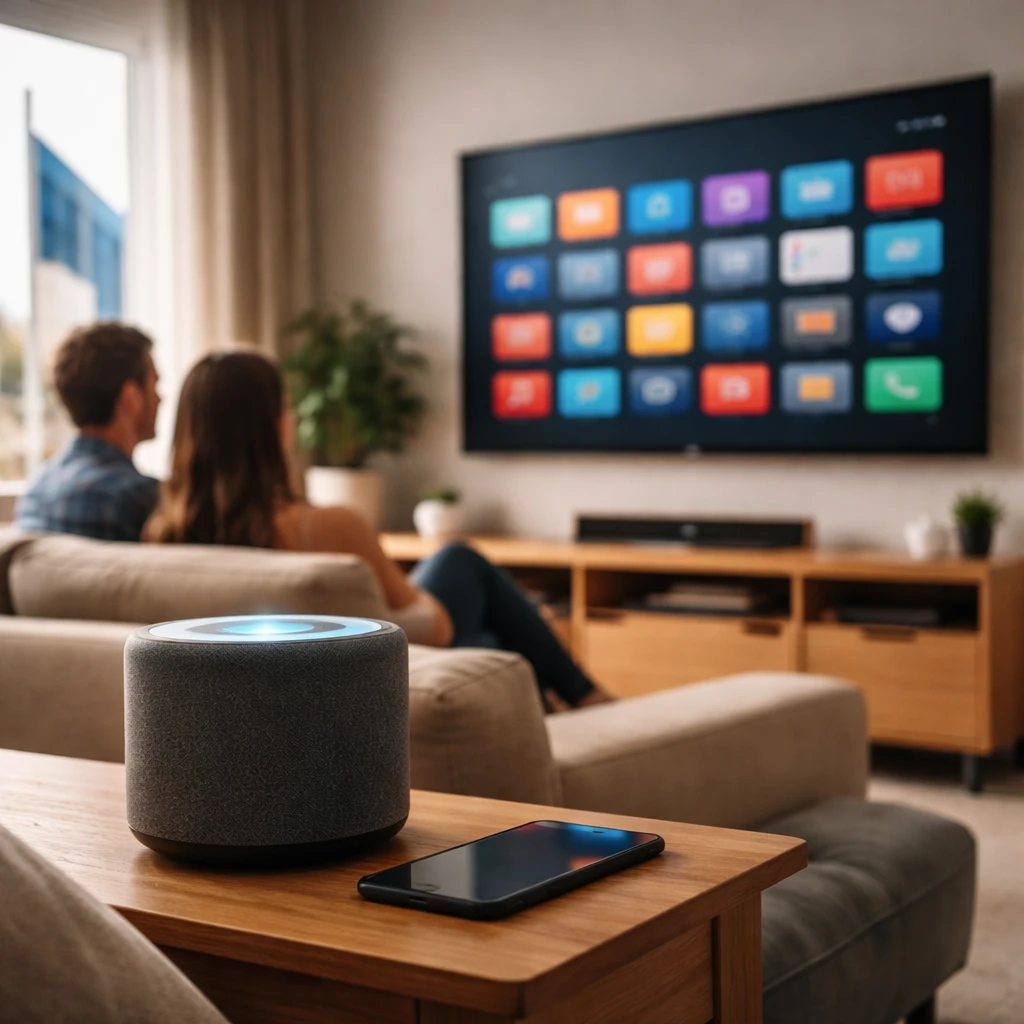
Europe's largest commercial broadcasters have written to the EU's antitrust chief urging that major smart TV platforms and virtual assistants be placed under the strongest regulatory obligations of the Digital Markets Act (DMA).
The Association of Commercial Television and Video on Demand Services in Europe (ACT), which represents a swath of broadcasters including Canal+, RTL, Mediaset, ITV, Paramount+, NBCUniversal, Walt Disney, Warner Bros Discovery, Sky and TF1 Groupe, told Teresa Ribera on Monday that the growing market influence of a small number of TV operating systems and voice assistants warrants designation as gatekeepers.
In their letter, the broadcasters drew on data from a 2025 market study to argue that Android TV, Amazon Fire OS and Samsung's Tizen are acquiring scale that gives them the ability to shape access to audiences and distribution of content. The study cited by the broadcasters shows Android TV's share rising from 16% to 23% between 2019 and 2024, Amazon Fire OS increasing from 5% to 12% in the same period, and Samsung's Tizen holding a 24% market share.
The DMA, which has been applicable since 2023, lays down obligations intended to limit the market power of dominant tech firms, foster competition and broaden options for consumers. The broadcasters argue that those safeguards should be extended to include significant TV operating systems and virtual assistants.
Broadcasters' concerns
In the letter seen by Reuters, ACT warned that "A limited number of operators are therefore gaining growing ability to shape outcomes for millions of users and businesses by controlling access to audiences and content distribution." The group added: "It is crucial that the Commission designate major TV operating systems as gatekeepers and ensure adequate oversight to guarantee fairness and contestability."
ACT and its signatories say their Big Tech competitors could have incentives to keep users inside their own ecosystems and to impose contractual or technical limits on linking or redirection between media apps. They cited examples such as one media application being barred from directing users to another, which could affect how audiences reach broadcaster content.
The broadcasters also highlighted virtual assistants as a source of concern. They pointed to well-known examples such as Amazon's Alexa and Apple's Siri, and noted that OpenAI launched a beta feature called Tasks for its ChatGPT AI chatbot last year. The broadcasters said the Commission has not yet designated any virtual assistants as gatekeepers under the DMA, creating what they described as a regulatory void.
"The lack of designation of virtual assistants creates a regulatory void, allowing powerful AI assistants to become de facto gatekeepers for media content through mobile phones, smart speakers and in-car radio infotainment services, without being subject to DMA obligations," the letter said.
Because some platforms and assistants may not meet the DMA's quantitative thresholds - more than 45 million monthly active users and 75 billion euros in market capitalisation - ACT urged Ribera to use qualitative criteria to bring these services within the DMA's remit.
Who signed the letter
- Association of Commercial Television and Video on Demand Services in Europe (ACT)
- Association of European Radios (AER)
- European Broadcasting Union (EBU)
- European association of television and radio sales houses (egta)
- Confindustria Radio Televisioni (CRTV)
- Televisión Comercial en Abierto (UTECA)
- Verband Österreichischer Privatsender (VOP)
The Commission, which acts as the EU competition enforcer, and Google, Amazon, Apple and Samsung did not immediately respond to emailed requests for comment.
($1 = 0.8643 euros)