
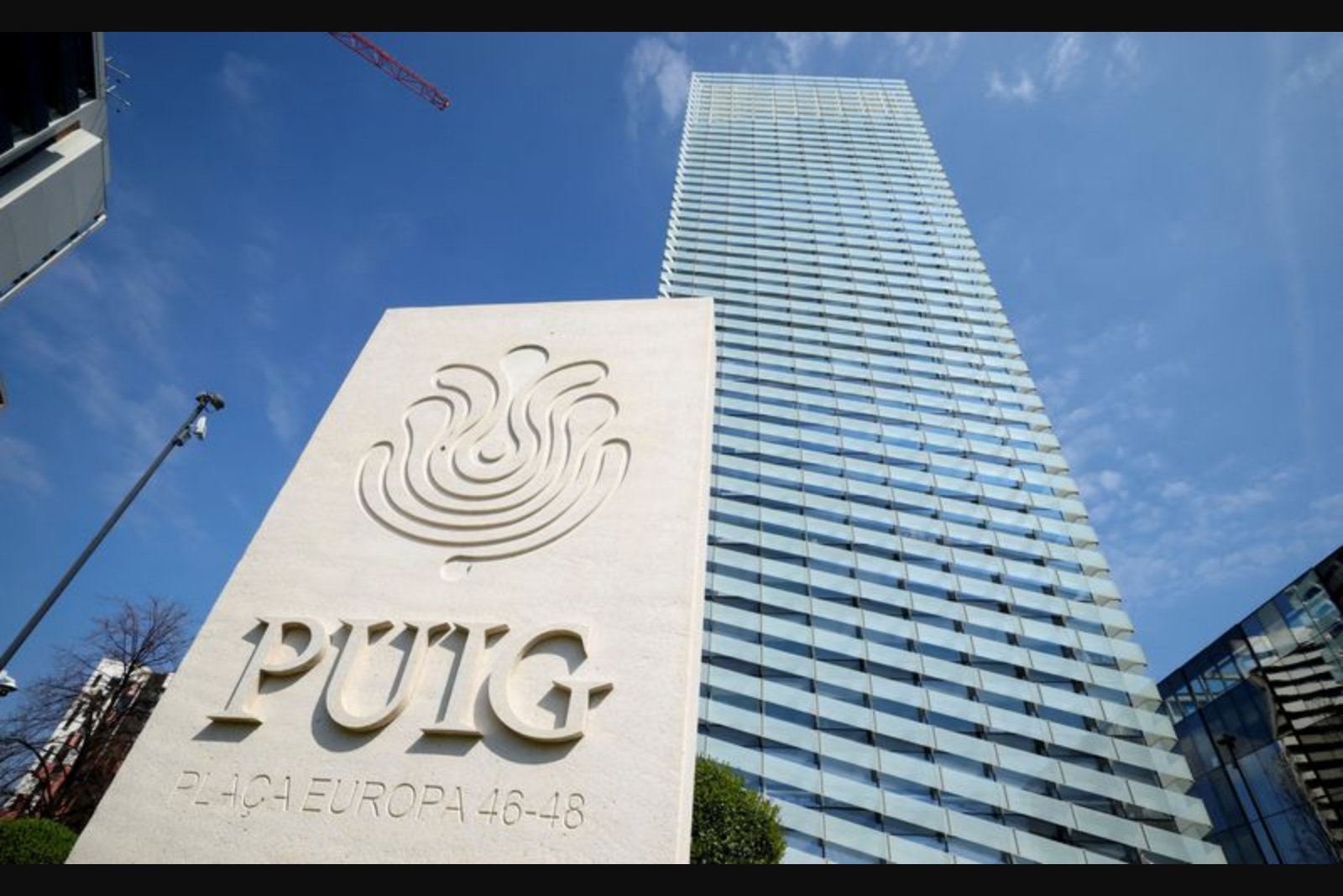
Summary - Discussions between Estee Lauder and Madrid-listed Puig to combine the two companies would create a luxury beauty entity with an approximate combined market capitalisation of $40 billion and bring together brands including Tom Ford, Carolina Herrera, Rabanne and Clinique. The proposed move would sharply increase Estee Lauder’s footprint in premium fragrances, but analysts highlight significant execution, financing and market risks that could complicate the U.S. group’s multi-year turnaround.
Deal contours and strategic rationale
Disclosed merger talks would join Estee Lauder with Puig Brands, consolidating several high-profile perfume and cosmetics labels under one roof. Management at Estee Lauder has been pursuing a wide-ranging turnaround for roughly two months prior to these discussions - an initiative led by CEO Stephane de La Faverie aimed at arresting three consecutive years of sales declines and a shrinking market share.
The transaction would materially alter Estee Lauder’s mix by tilting it further toward premium fragrances. Morningstar analysts calculate the company’s global market share in the premium fragrance category would rise to about 15% from 6%, placing it narrowly behind L’Oreal’s approximate 16% share.
Operational priorities and integration challenges
De La Faverie’s turnaround plan has emphasised investing more in stores, pruning underperforming retail footprints and reallocating resources to faster-growing segments. The programme includes closing weaker cosmetics outlets such as M.A.C and Origins while pushing to lift perfume sales at airports and other travel locations.
Industry commentators caution that combining two sizeable businesses presents meaningful integration risks that could detract from these priorities. Dan Coatsworth, head of markets at AJ Bell, noted that history suggests merging companies is not a guaranteed path to success and pointed to cultural differences as a possible obstacle. Morningstar analyst Dan Su expressed skepticism that management could execute the turnaround while simultaneously integrating Puig into operations.
Market dynamics and competitive pressures
Estee Lauder’s pursuit of high-end fragrances comes as the category has shown robust growth. Circana data indicate that in the United States prestige fragrance expanded by 5% by value last year and finished as the second-largest category in prestige retail. But the strategic pivot into fragrances coincides with evolving competitive dynamics.
Independent luxury perfume houses such as Parfums de Marly and Serge Lutens, plus newer entrants like Nishane and Xerjoff and various celebrity-backed labels, are intensifying competition in premium scent segments. Jefferies analyst Sydney Wagner observed that the deal would further skew Estee Lauder’s portfolio toward fragrance, a category where growth has been strong but where indie brand competition is rising, L’Oreal is accelerating its efforts, and category momentum appears later-cycle.
These competitive forces come against the backdrop of recent industry consolidation such as L’Oreal’s October acquisition of Kering’s beauty business for $4.7 billion, a deal that added Creed to L’Oreal’s portfolio and granted it exclusive development rights for fragrance and beauty under several luxury names for 50 years. L’Oreal reported fragrance growth of 10.4% in 2025 - roughly double the pace of the broader market - driven in part by couture brands like Yves Saint Laurent’s Libre, according to finance chief Christophe Babule on a post-earnings call in February.
Financing implications and credit considerations
JPMorgan analysts estimate that a transaction financed with an approximate 50/50 mix of equity and debt would require Estee Lauder to raise about $6 billion in new borrowing. Absent anticipated synergies, that level of incremental debt could lift the company’s leverage to roughly 4.3 times, the analysts warned. Both Moody’s and S&P Global assign a negative outlook to Estee Lauder, a rating posture that underscores the scrutiny any material increase in indebtedness would attract.
Market reaction and recent share performance
Markets reacted quickly to the reports. Estee Lauder’s shares fell by nearly 6% on the day the discussions were announced, while Puig’s stock rose about 13%. Prior to the disclosure of talks, Puig’s shares had already slid nearly 39% from the 24.50 euros per share level set at its initial public offering in May 2024.
Travel-retail headwinds
At the same time, the Iran war and the broader Middle East conflict have clouded the outlook for travel retail by disrupting air travel. Airport sales are an important channel for premium fragrances, and the deterioration in travel could weigh on the sales trajectory that underpins part of the strategic rationale for expanding Estee Lauder’s fragrance portfolio.
Concluding assessment
The contemplated combination with Puig would reposition Estee Lauder near the top of the premium fragrance market, but the move carries meaningful execution risk at a delicate point in the company’s turnaround. The need to integrate a large new business, the potential lifting of leverage to levels observers say are material, the credit rating context and travel-retail uncertainty driven by Middle East tensions are all factors that could complicate management’s ability to deliver on both the turnaround and the merger.
Additional promotional content appearing in the original text has been preserved in this rewrite.
Is OREP a bargain right now? The fastest way to find out is with our Fair Value calculator. We use a mix of 17 proven industry valuation models for maximum accuracy. Get the bottom line for OREP plus thousands of other stocks and find your next hidden gem with massive upside. See Undervalued Stocks