
E.ON SE confirmed on Monday that it has entered into an agreement to acquire U.K. energy supplier OVO. The purchase will increase E.ON’s customer count in Britain by about four million on top of the company’s current base of 5.6 million customers.
Financial details of the transaction were not released. E.ON described the move as a strategic expansion of its position in one of Europe’s largest energy markets, where the company said it intends to scale and transfer customer-focused energy solutions across the continent.
"The United Kingdom is an important growth market for E.ON, particularly for flexibility and customer‑focused energy solutions," said Marc Spieker, Chief Operating Officer Commercial at E.ON. "The planned acquisition of OVO strengthens our retail business and underlines our commitment to be the trusted partner of choice for our customers."
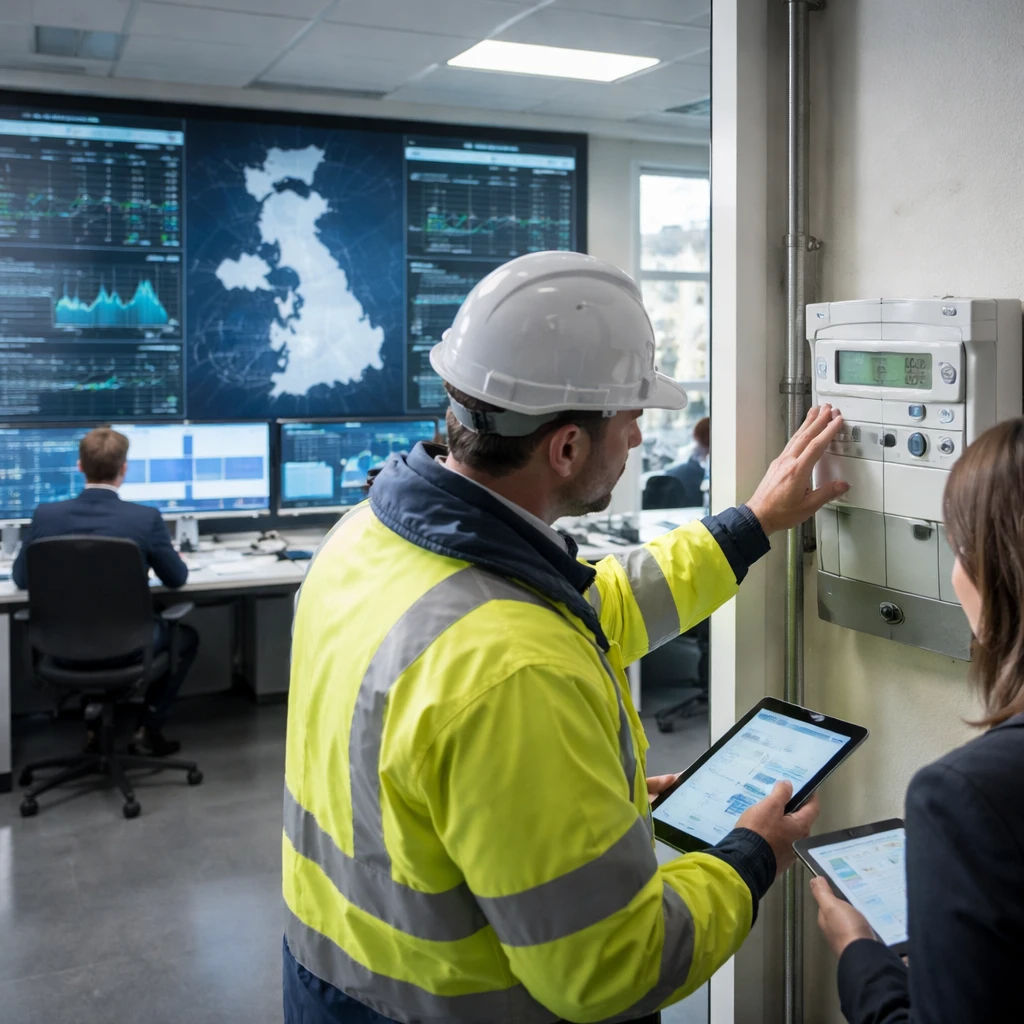
As described by the companies, the combined retail operation will have an extensive digital connection to customers via smart meters. More than 60% of the merged U.K. customer base will be connected digitally through approximately seven million installed smart meters, a scale the company highlighted in outlining its operational reach in Britain.
E.ON currently lists about 100 different energy solutions available in the U.K., covering electricity, heating and e-mobility services. The company said it plans to take innovations developed in the U.K. market and apply them in its operations in Germany and across continental Europe. E.ON emphasized a particular focus on flexibility solutions designed to help customers reduce energy costs while taking part in the energy transition.
The transaction is subject to regulatory reviews by U.K. authorities, including the Competition and Markets Authority. E.ON anticipates the deal will close in the second half of 2026 if approvals are secured. Until closing, E.ON Next and OVO will continue to operate as independent companies.
Context and implications
By bringing OVO into its retail portfolio, E.ON aims to broaden its distribution reach and digital engagement with U.K. consumers through a large installed base of smart meters. The company positions flexibility offerings as a way for customers to manage costs amid the ongoing energy transition. No financial terms were disclosed, and regulatory clearance remains a condition for completion.