
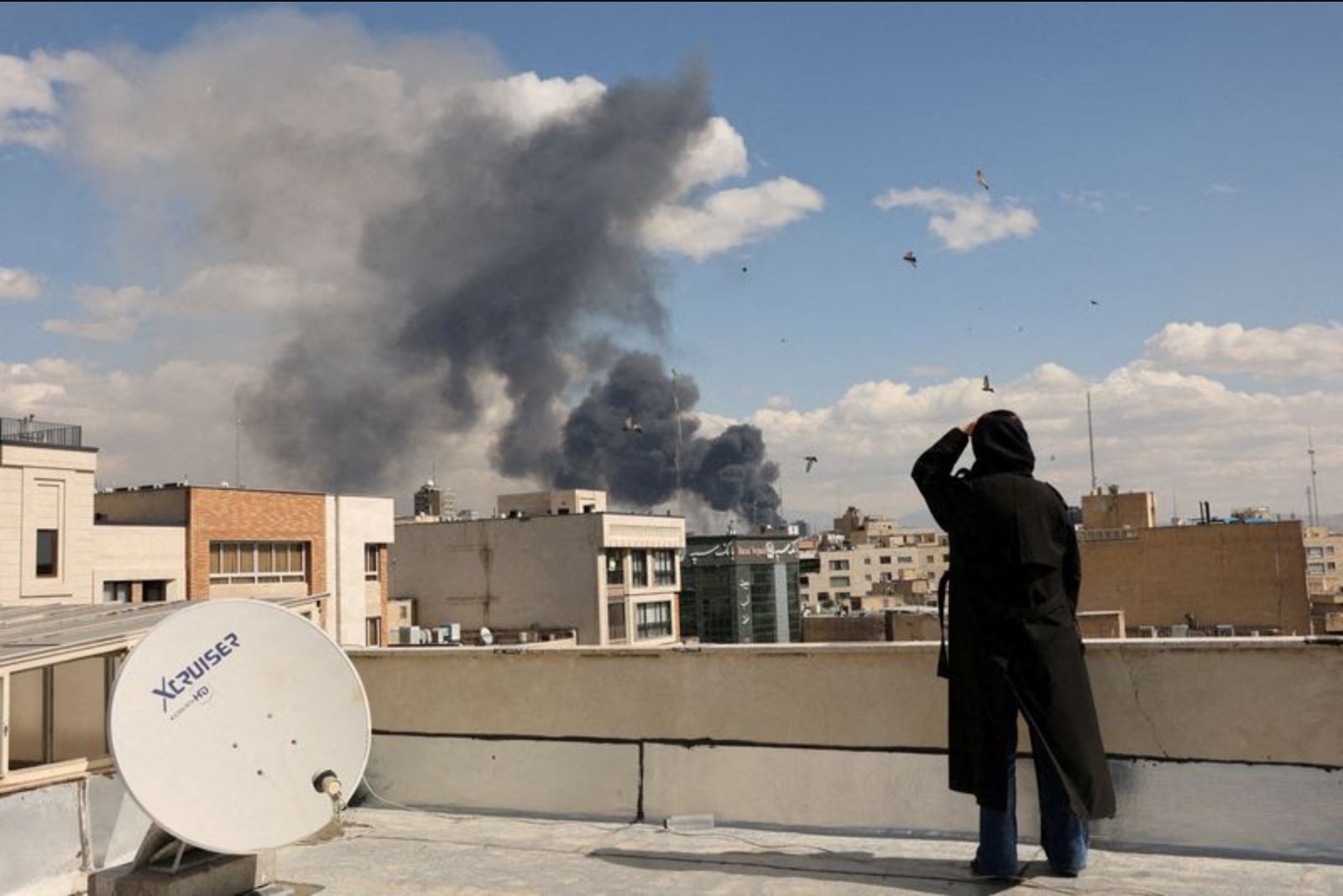
Equity funds concentrating on developing markets have posted pronounced declines this month as investors pared back exposure to riskier assets in response to heightened tensions tied to the Iran conflict. According to LSEG Lipper calculations, across the 518 fund categories it tracks, equity funds focused on Pakistan, Chile, Greece, Colombia, Argentina, the United Arab Emirates and Saudi Arabia were among the largest month-to-date decliners.
The pullback comes after a period of strong gains earlier in the year for emerging markets, which had been supported by relatively cheaper valuations, solid growth prospects and a weakening U.S. dollar. Those factors helped lift returns across a range of EM assets before the recent selloff.
Benchmark moves this week underline the severity of the shift in sentiment: MSCI's emerging markets equities index has dropped by more than 6% over the week. For context, the MSCI World Index fell 2.2% and the MSCI United States benchmark declined 0.7% over the same period.
Fund flow metrics mirror the price action. Weekly flows data covering roughly 13,000 emerging market equity funds showed inflows slowing to $5.8 billion this week, the weakest weekly total in seven weeks. Slower inflows can signal reduced demand for EM exposure and may exacerbate downward pressure on prices.
On the outlook for earnings, Goldman Sachs said that if the disruption proves short-lived, the broader earnings impact could remain limited given the relatively resilient sector mix within EM indices. The firm maintained its forecast for 25% growth in MSCI emerging markets earnings per share in 2026. At the same time, Goldman noted that higher starting valuations following strong gains last year leave EM equity markets vulnerable to near-term correction risks.
Investors assessing opportunities and risks in the current environment face a mixed picture: prior gains and supportive fundamentals had reduced some valuation concerns earlier in the year, yet the recent geopolitical shock has tested that resilience. Fund flows and benchmark performance both signal elevated sensitivity to short-term shocks.
As the situation evolves, market participants will be watching whether the disruption remains temporary - which, according to the commentary cited above, would likely limit earnings damage - or whether further deterioration in sentiment leads to more sustained corrections in emerging market equities.