
Elevance Health on Wednesday provided a cautious financial outlook for 2026, telling investors it expects total operating revenue to fall by a low-single-digit percentage and setting full-year adjusted profit guidance below analyst estimates. The insurer cited continued pressure from high medical costs and changes in the composition of its membership as primary drivers of the weaker projection. The announcement sent the stock down by more than 7% before the market opened.
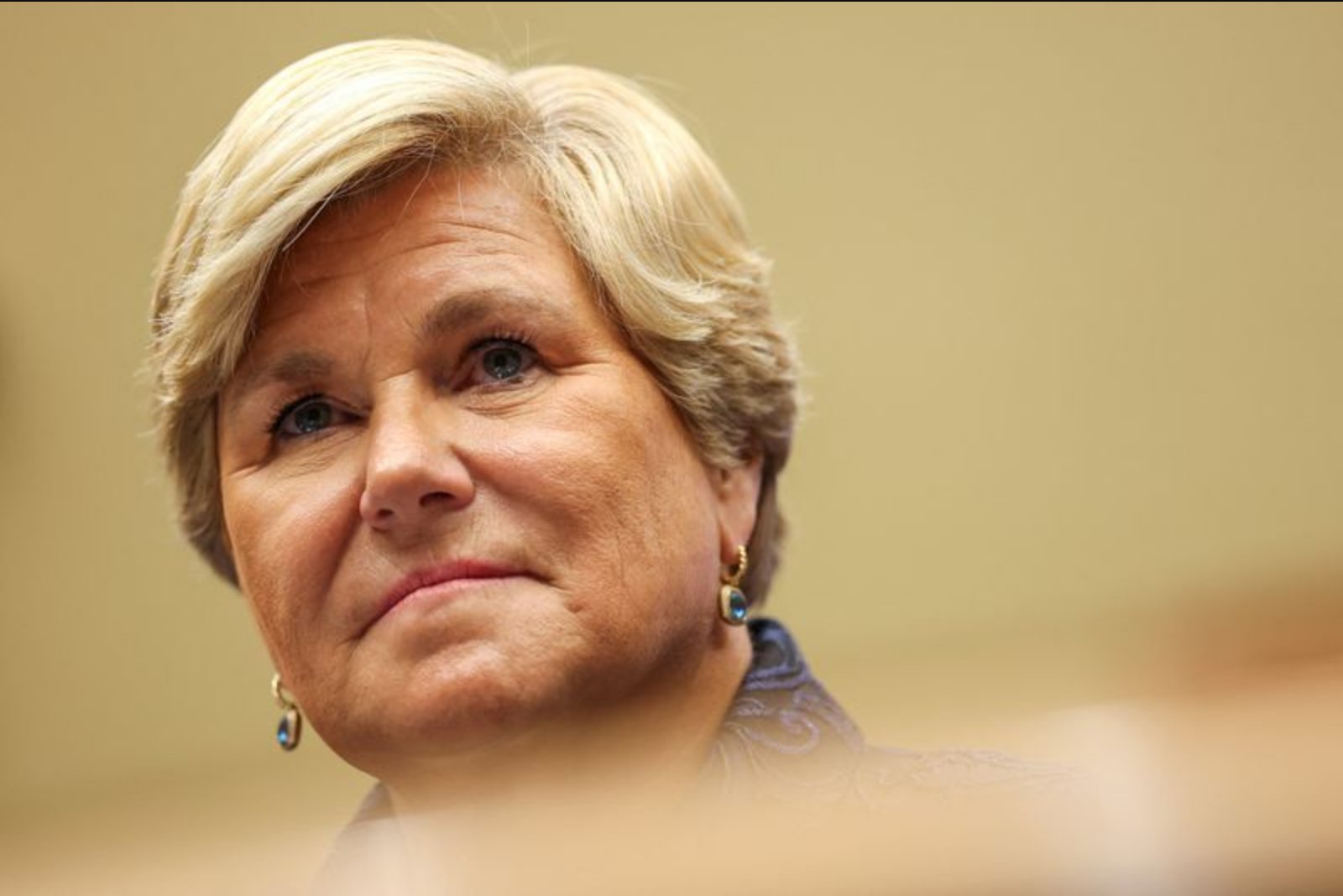
Chief Executive Gail Boudreaux described 2026 as a year focused on execution and repositioning across several government-backed segments - specifically Medicaid, Medicare Advantage and individual Affordable Care Act plans. The company's outlook incorporates policy changes and internal decisions intended to better price products and shift to a more favorable membership mix, she said.
Elevance said the revenue outlook reflects a low-double-digit decline in membership for certain plans it offers, partially offset by higher premiums and growth in Carelon, its health services business. The company also reported that cost trends remained elevated in the latest quarter but were generally in line with expectations.
That quarter's reported medical loss ratio - the share of premiums paid out for medical care - came in at 93.5%, a figure the company attributed in part to higher utilization in its Affordable Care Act conforming individual plans. For 2026, Elevance expects a medical loss ratio of 90.2%, plus or minus 50 basis points, which the company described as a "prudent view of costs trends."
Chief Financial Officer Mark Kaye warned the company expects a sicker member pool in its Obamacare business after enhanced premium tax credits used to purchase those plans expired at the end of 2025. Those temporary credits, expanded during the COVID-19 period and enacted through the American Rescue Plan and the Inflation Reduction Act, had widened subsidy eligibility and capped out-of-pocket premiums at 8.5% of income. With the credits expired, premiums for many consumers are set to rise, a dynamic the company said could discourage healthier individuals from enrolling.
Elevance also referenced a recent U.S. health insurance agency decision that raised the rate it pays insurers to operate Medicare Advantage plans by 0.09% - a figure the company said fell short of expectations. CEO Boudreaux said proposed payments for the company's plans covering adults 65 and older do not keep pace with the costs of running those programs or with member utilization.
Analysts reacted to the guidance and the wider sector environment. Leerink analyst Whit Mayo noted the company continues to face pressure in Medicaid and suggested that the weak guidance, combined with fading enthusiasm for the sector after the 2027 Advance Notice and other industry pressures, likely contributed to the stock selloff. J.P. Morgan analyst Lisa Gill described the 2026 forecast as an achievable baseline from which the company can attempt to grow, and Elevance reiterated confidence in returning to at least 12% adjusted earnings per share growth in 2027.
On the earnings front, Elevance reported fourth-quarter adjusted earnings per share of $3.33, beating consensus estimates of $3.10. Quarterly operating revenue was $49.3 billion, slightly below expectations of $49.82 billion and up from $45 billion a year earlier.
For 2026, the company guided to adjusted profit of at least $25.50 per share, which sits below analysts' estimates of $26.90 per share. Elevance said it expects to record roughly two-thirds of its adjusted earnings in the first half of 2026. The company described this projection as a conservative baseline that reflects current member mix, pricing decisions and anticipated cost trends.
Context on cost drivers and membership mix
Elevance and other health insurers have contended with persistently high medical costs over recent reporting periods, driven in part by strong demand for behavioral health services and increased use of specialty pharmaceuticals in government-backed plans. While the company said cost trends during the reported quarter were in line with expectations, the elevated medical loss ratio and outlook for a sicker Obamacare enrollee base underscore the margin pressure facing the business.
The company emphasized that its 2026 outlook factors in both enrollment declines in some plan types and offsetting elements such as premium increases and expansion of Carelon's services. Management framed the year as one of repositioning to improve pricing and membership mix going forward.
What the market saw
Investors reacted sharply to the guidance gap. The lower-than-expected profit forecast, combined with signs of ongoing cost pressures and challenges in Medicaid and Medicare Advantage payment rates, weighed on the shares. The company signaled that while 2026 will present headwinds, it expects to rebound toward higher adjusted earnings growth in 2027 if execution on pricing and mix strategies proceeds as planned.