
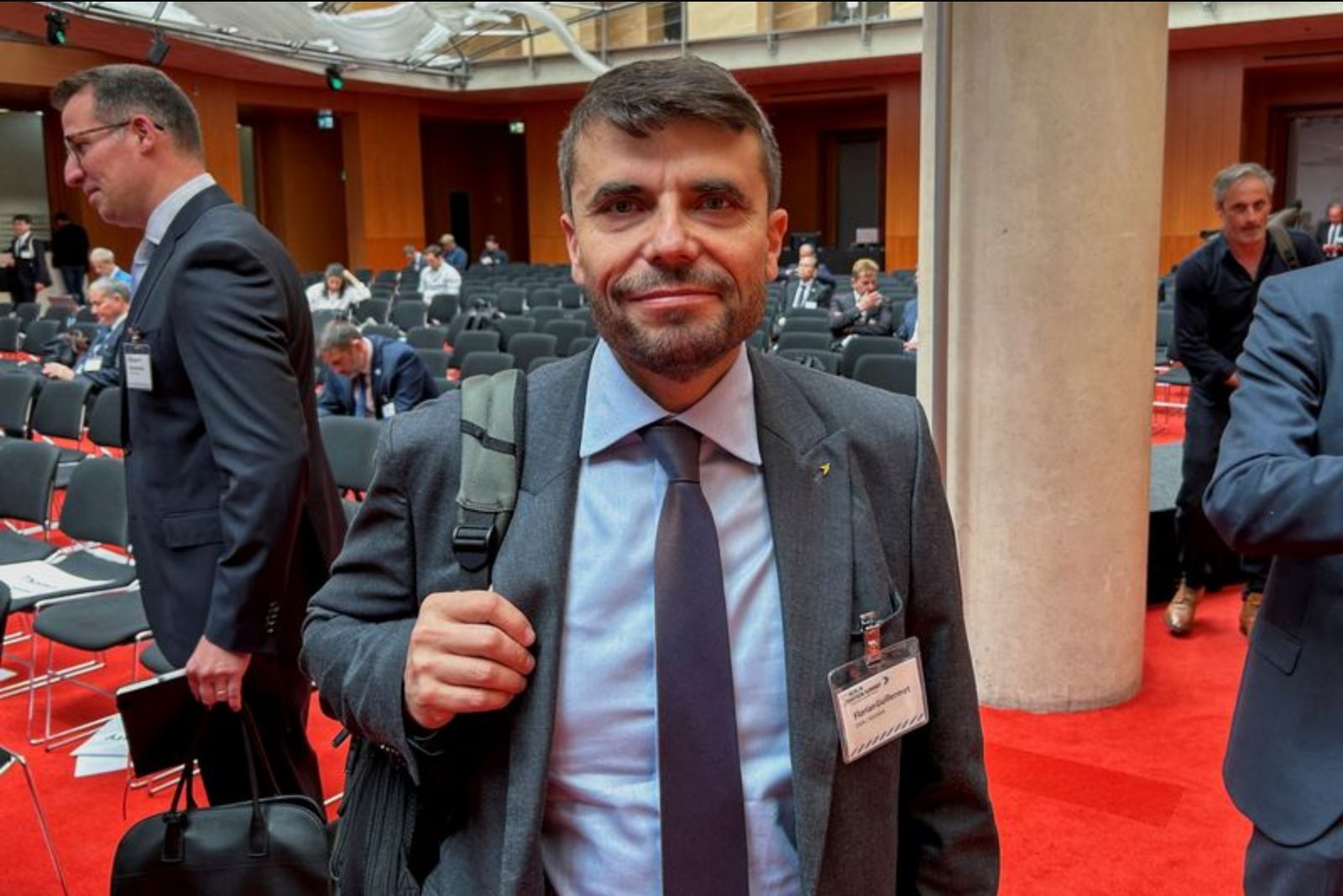
COLOGNE, March 27 - Europe’s lead aviation regulator indicated on March 27 that transatlantic tensions over safety and certification have eased, and that both the U.S. Federal Aviation Administration (FAA) and aircraft manufacturer Boeing are addressing regulatory concerns in what EASA described as an improving working relationship.
European Union Aviation Safety Agency (EASA) Executive Director Florian Guillermet said the tone and collaboration between the agencies have become markedly more constructive. "Very honestly and transparently, I think it has improved quite a lot. We are working now as trustful partners," he said in an interview, describing a phase in which EASA is placing greater trust in FAA actions.
Guillermet elaborated on that trust, saying: "We are in a phase where we are trusting the FAA to do the right things, and I have no indication today that they are not taking care of their homework and that Boeing ... is not reacting appropriately." He repeated a similar assessment of both regulator and manufacturer, noting: "We do see that the FAA is taking care of what they should be taking care of, and that Boeing is reacting to that in the appropriate manner." His comments covered both aircraft certification and production issues.
EASA is the primary certifying authority for Airbus jets and is one of a number of major regulators that approve aircraft in their domestic markets while generally recognising each other's decisions through bilateral agreements. Under that international system of mutual recognition, agencies can also raise detailed technical questions when necessary.
That mutual recognition framework has previously come under pressure. Guillermet referenced a recent episode in which the system was strained when U.S. political pressure threatened to affect certification outcomes - citing a January incident in which the U.S. President threatened to decertify Canadian business jets and impose extra tariffs unless Canada approved a number of U.S. models.
When asked to comment directly on that dispute, Guillermet declined to address the political standoff itself but stressed the importance of preserving the technical nature of aircraft certification. "It is a technical job that has to remain a technical job," he said, underscoring EASA's position that regulatory decisions should be insulated from political interference.
The EASA executive's remarks signal a recalibration of transatlantic regulatory interactions following a period of strained ties after fatal Boeing 737 MAX crashes that prompted closer scrutiny of Boeing's software and oversight. Guillermet's statements portray a working relationship that is moving toward cooperation and mutual confidence on both certification and production oversight, while warning that the integrity of the technical certification process must be protected.