
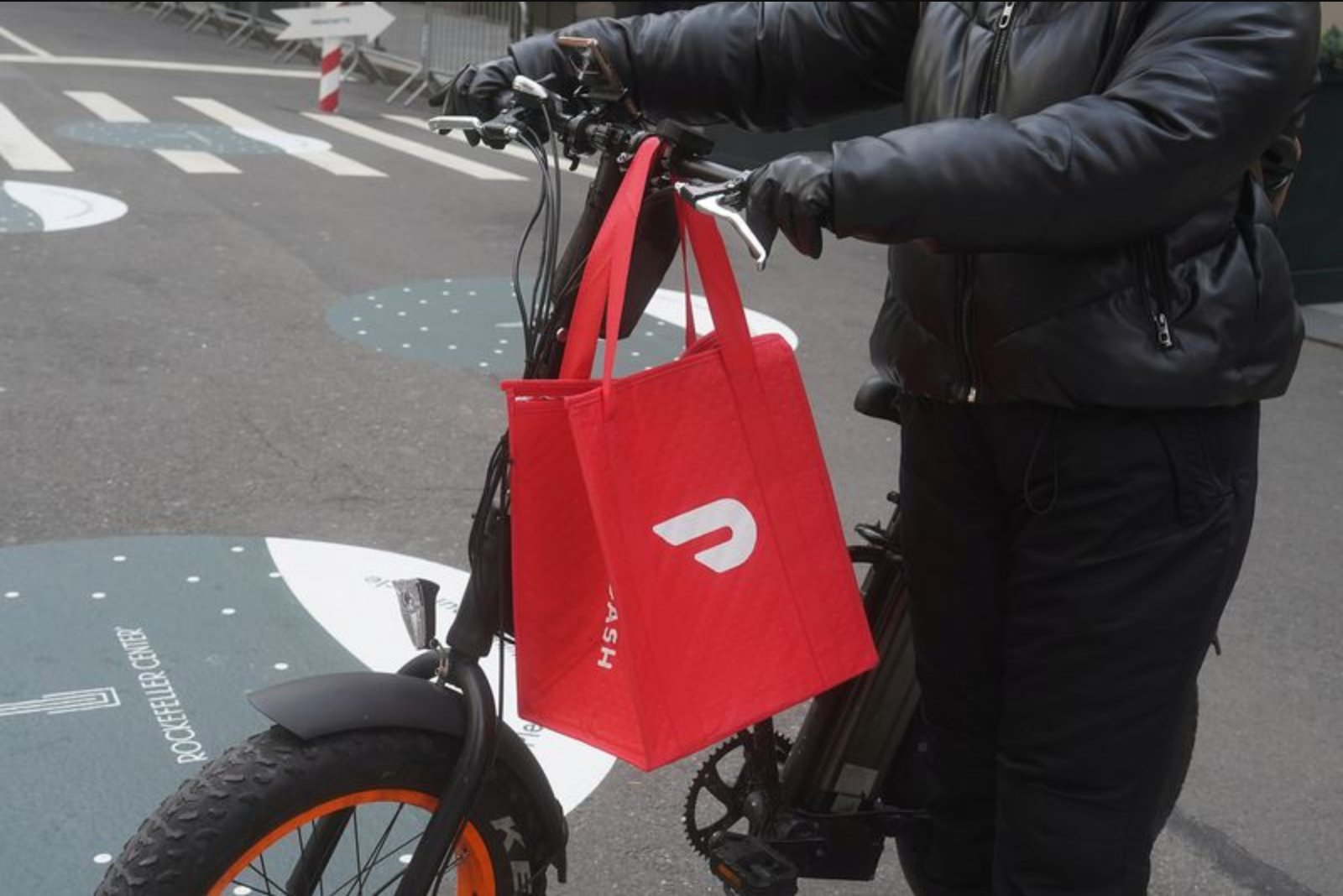
DoorDash announced on Monday the rollout of an emergency relief program intended to help U.S. gig economy delivery drivers cope with sharply higher gasoline prices. The company said the move is a direct response to recent increases in fuel costs, which have been driven by higher crude oil prices attributed to supply disruptions stemming from the Middle East war.
National average retail gasoline prices have risen by more than 30% over the past month and are now approaching $4 a gallon, DoorDash noted as part of its explanation for the program.
Under the new program, delivery drivers who meet a minimum activity threshold of 125 miles logged per week on DoorDash orders will qualify for a weekly fuel relief payment. The payments are graded by distance: they start at $5 and scale up to a maximum of $15 depending on the number of miles driven in a week. DoorDash said the relief initiative will continue through April 26, 2026.
The company quantified the potential benefit for eligible drivers, stating the program could allow them to save as much as $1.90 per gallon each week. The payment and estimated per-gallon savings are presented as weekly supplements to help offset the immediate cost pressure from elevated retail gasoline prices.
Separately, the company referenced stock evaluation tools in its broader investor-facing material. One item asks whether investors should be buying DASH now and notes that an AI-based product called ProPicks AI evaluates DASH along with thousands of other companies every month using more than 100 financial metrics. That material describes the AI's process as identifying stocks that offer favorable risk-reward profiles based on current data, and it cites prior highlighted performers such as Super Micro Computer (+185%) and AppLovin (+157%).
The relief program is a time-limited measure aimed at providing direct, modest support to active drivers. Eligibility hinges on weekly mileage thresholds and the payments are modest relative to total fuel expenditures, but DoorDash framed the initiative as targeted assistance to reduce the immediate burden of rising pump prices on its delivery workforce.