
Stock Markets April 1, 2026

Domestic Vendors Capture Large Share of China AI Accelerator Market as Nvidia’s Lead Narrows

IDC data shows Chinese GPU and AI chip makers accounted for roughly 41% of AI accelerator card shipments in China in 2025, with Huawei leading domestic volumes

By Jordan Park BIDU
Domestic Vendors Capture Large Share of China AI Accelerator Market as Nvidia’s Lead Narrows
BIDU

Chinese GPU and AI chip manufacturers took nearly 41% of the AI accelerator server market in China in 2025, cutting into Nvidia’s prior dominance. Total shipments in the market reached about 4 million cards, with Nvidia remaining the single largest supplier at roughly 2.2 million units and a 55% share. Domestic vendors shipped about 1.65 million cards, led by Huawei and followed by Alibaba’s T-Head, Baidu’s Kunlunxin and Cambricon.

Key Points

  • Chinese GPU and AI chipmakers captured nearly 41% of China’s AI accelerator server market in 2025, shipping about 1.65 million cards.
  • Nvidia remained the market leader with around 2.2 million cards and a 55% share, while AMD accounted for roughly 160,000 cards or 4%.
  • Government-driven AI infrastructure spending in 2025, including local directives favoring domestic equipment, supported the rise of Chinese vendors.

Overview

Chinese makers of GPUs and AI accelerators captured nearly 41% of the AI accelerator server market in China last year, according to an IDC report reviewed by Reuters. That gain came as Beijing moved to reduce reliance on foreign suppliers and steer public and private buyers toward domestic designs.


Market totals and leader positions

Overall shipments of AI accelerator cards by Nvidia, AMD and Chinese vendors in China reached approximately 4 million units in 2025. Nvidia remained the market leader, delivering about 2.2 million cards and holding an estimated 55% market share. This level of sales nevertheless represents a marked decline in Nvidia’s footprint in China compared with its previously dominant position.

AMD established a smaller presence in the market, shipping roughly 160,000 cards and accounting for an estimated 4% share.


Domestic supplier performance

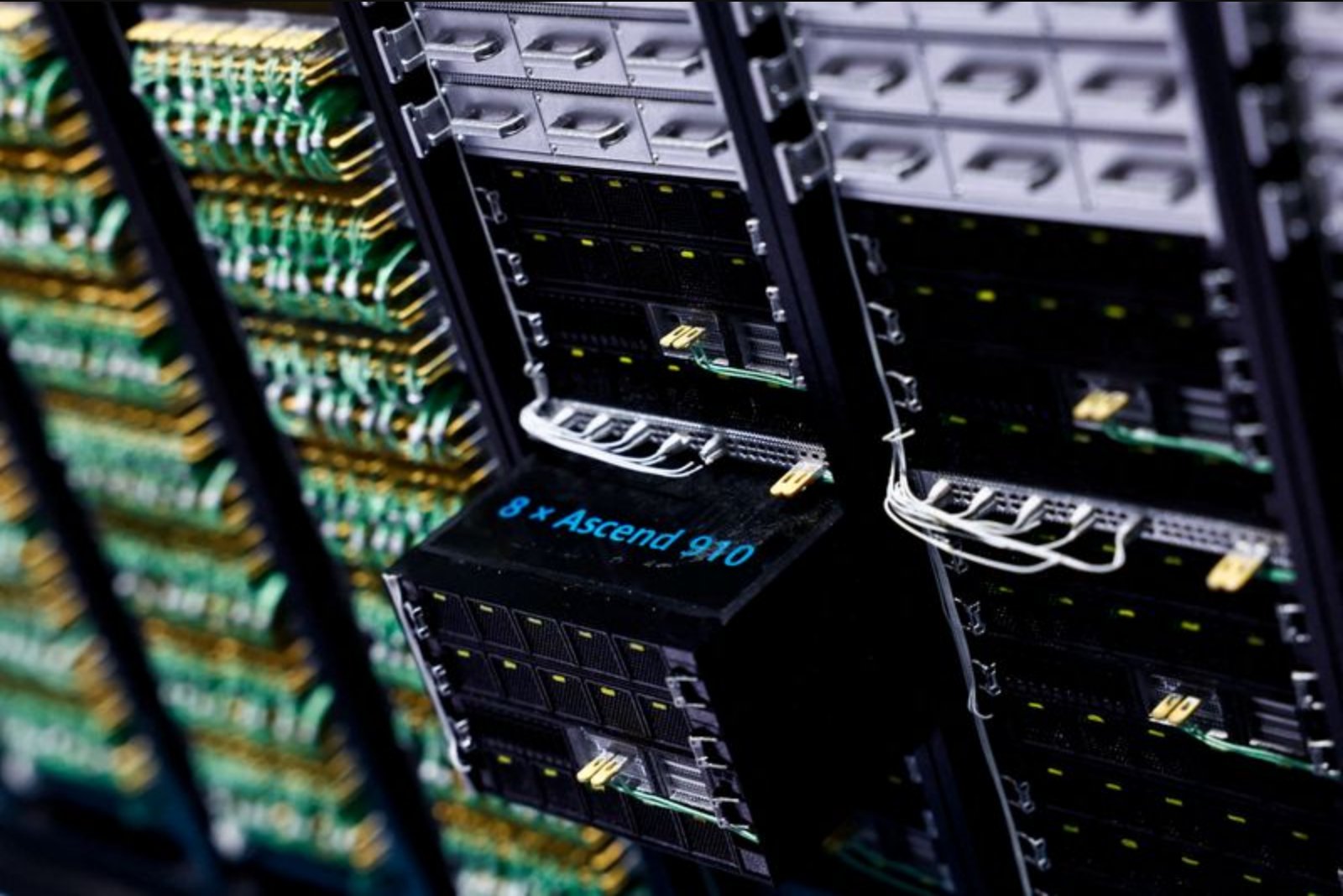
Collectively, Chinese vendors shipped about 1.65 million AI accelerator cards, representing roughly 41% of total shipments in the Chinese market. Huawei Technologies was the largest domestic supplier by volume, shipping around 812,000 AI chips - about half of all domestically branded shipments. Alibaba’s chip design arm, T-Head, shipped approximately 265,000 cards.

Baidu’s Kunlunxin and Cambricon each shipped around 116,000 cards, placing them jointly behind Alibaba among Chinese vendors. Other contributors among domestic suppliers included Hygon and GPU start-ups MetaX and Iluvatar CoreX, which accounted for 5%, 4% and 3% respectively of total Chinese vendor shipments.


Policy and procurement context

The shift in vendor mix occurred as U.S. export controls progressively limited China’s access to Nvidia’s most advanced products, prompting government bodies and companies to consider local alternatives. In 2025, the central government rolled out a fresh wave of AI infrastructure spending, and local governments accelerated the construction of intelligent computing centers across provinces. Many of these projects contained implicit directives to buy domestically produced equipment.


Implications

The IDC figures reflect a rapid expansion of domestic supply to meet demand inside China, while Nvidia remains the largest single supplier despite a reduced share. The market changes align closely with procurement incentives and limits on access to advanced foreign chips.

Risks

  • U.S. export controls have restricted access to advanced foreign chips for Chinese buyers, reshaping supplier options and supply chains - this affects the semiconductor and cloud infrastructure sectors.
  • Policy-driven procurement that implicitly favors domestic suppliers could concentrate demand within China and alter dynamics for foreign vendors and global cloud providers.
  • Shifts in supplier mix introduce uncertainty for enterprises and data center operators that rely on specific accelerator performance characteristics when planning deployments and upgrades.

More from Stock Markets

Morgan Stanley Flags Cost Pressures for North American Restaurants Despite Index Dip Apr 1, 2026 Mega IPOs Could Strain U.S. Market Capacity Even as Capital Raising Climbs Apr 1, 2026 U.S. official says EU punitive fines - led by Digital Markets Act enforcement - are main source of economic friction Apr 1, 2026 Macquarie: Quality Stocks Lead in Asia as Global Markets Pull Back Apr 1, 2026 Morgan Stanley Turns Positive on European Stocks, Favors Utilities, Defence and Energy Apr 1, 2026