
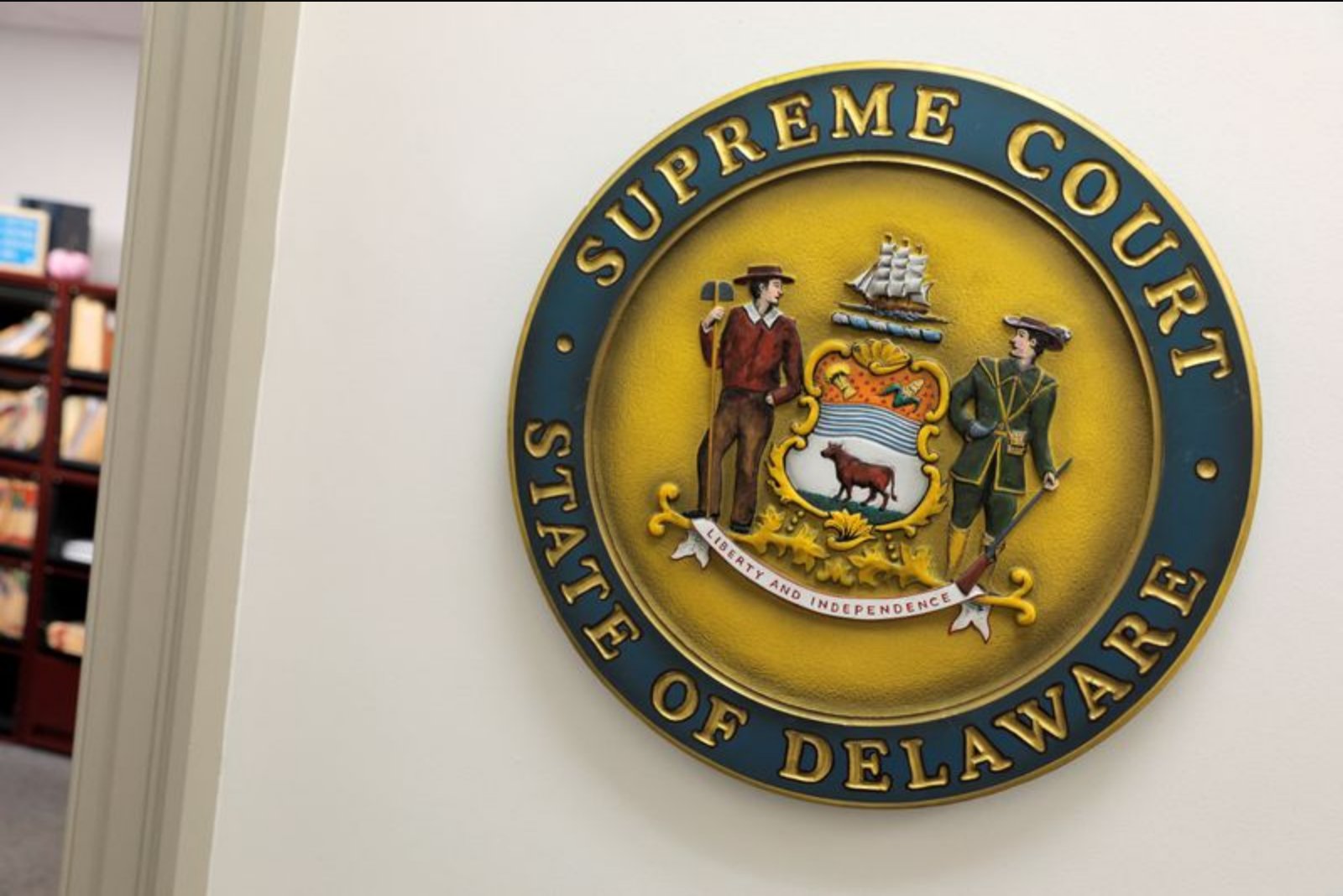
The Delaware Supreme Court on Friday upheld a 2025 statutory revision known as SB 21 that alters the state’s corporate code to reduce the ability of shareholders to challenge certain transactions in court. The legislation, passed by the state legislature in March 2025 to address concerns about companies leaving Delaware - a trend labeled DExit - makes it more difficult for investors to bring lawsuits against company leaders over approved deals.
Under the new framework of SB 21, a transaction that has been approved either by a board committee with a majority of independent directors or by a vote of public shareholders cannot be litigated in court by investors. That changes the previous standard, which required both steps and mandated that the approving board committee be entirely composed of independent directors. The bill also raises the bar for disputing a director’s independence and reduces the scope of records that shareholders may obtain when investigating possible conflicts related to a deal.
Supporters of the statute framed the change as a recalibration of the standards the Court of Chancery uses to assess fairness in corporate transactions. They argued the legislature was not removing jurisdiction or stripping away particular legal claims, but rather adjusting how the court determines whether an arrangement meets fairness benchmarks. Business leaders had in recent years voiced frustration about court rulings that, they said, upset established expectations about Delaware corporate law.
Opponents, which included pension funds, had criticized SB 21 as tilting protections toward influential shareholders and founders, dubbing it the "billionaire's bill." Shareholder attorneys argued in court that SB 21 violated the state constitution by effectively removing certain claims from the Court of Chancery’s review and undermining the court’s jurisdiction over aspects of deal litigation. Pension funds expressed concern that the law would curtail their capacity to investigate and police potential conflicts of interest.
The law is particularly consequential for companies with controlling shareholders. The legislation notably affects firms such as Meta Platforms, which is cited as an example due to its governance structure under the control of Mark Zuckerberg. Delaware remains the legal domicile for the majority of large public companies, and incorporation-related fees account for roughly 20% of the state’s budget revenues, factors cited by lawmakers as they weighed measures to stem corporate departures.
The legal debate followed high-profile litigation that intensified scrutiny of Delaware’s corporate courts. In January 2024, a Delaware judge rescinded a $56 billion compensation package for Elon Musk at Tesla, a decision that prompted public calls from Musk for companies to consider leaving Delaware. Some companies subsequently changed their incorporation choices, including Dropbox, Roblox and Coinbase Global. The Delaware Supreme Court later restored Musk’s compensation package on appeal in December.
The state legislature’s action in March 2025 and the subsequent affirmation by the Delaware Supreme Court mark an important moment in the evolving balance between judicial review and legislative control over corporate governance standards in a state that remains central to U.S. corporate law.