
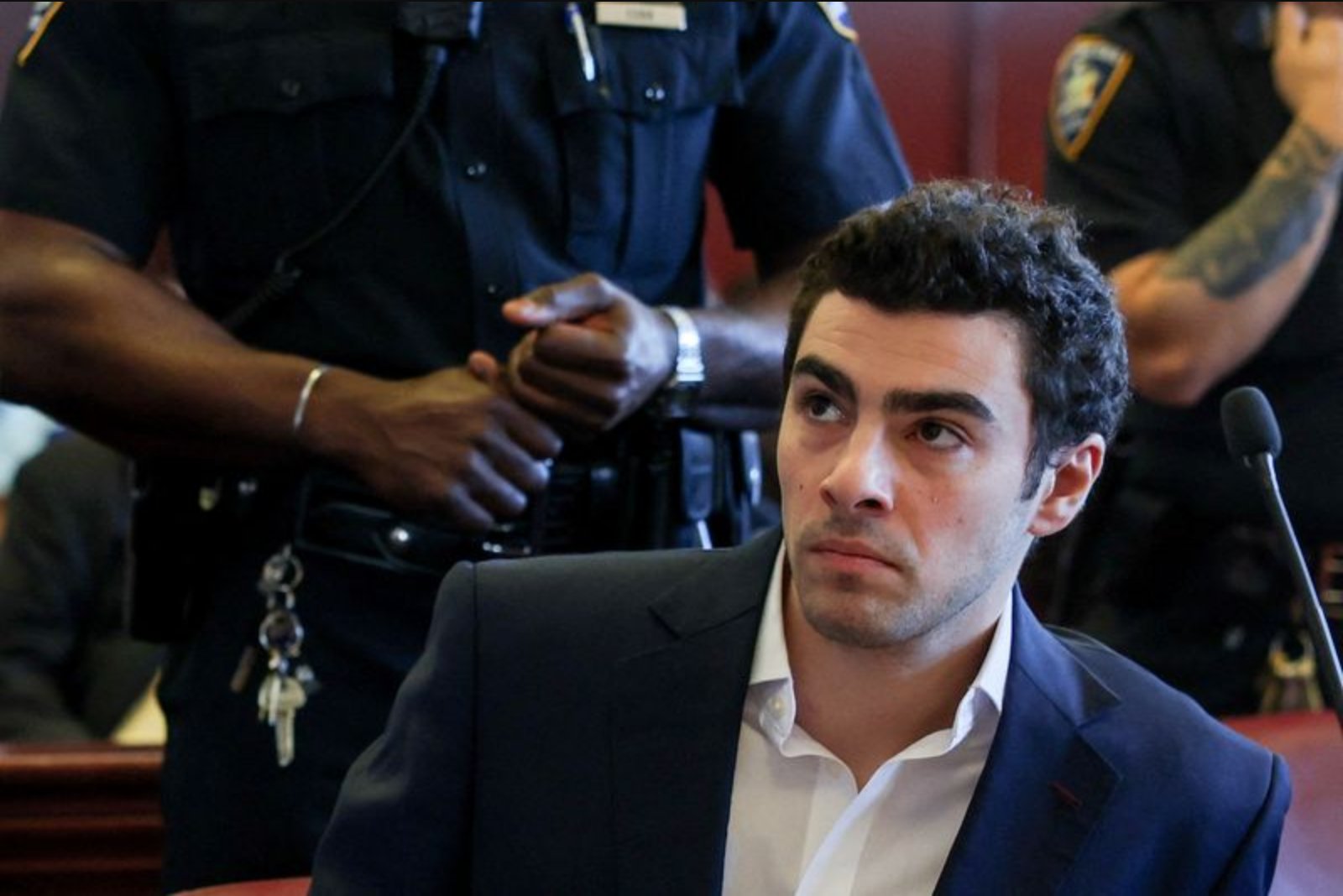
Background and hearing
Luigi Mangione, 27, is due in federal court on Wednesday for a hearing related to his effort to postpone the federal trial connected to the December 4, 2024 killing of Brian Thompson, the executive who led UnitedHealthcare Group's health insurance business. The federal case includes two stalking charges that carry the possibility of a life sentence if Mangione is convicted.
Federal in-person jury selection is presently set to begin on September 8, with opening statements scheduled for October 13. Mangione has pleaded not guilty to all charges in the federal case.
Defense request and rationale
Defense attorneys for Mangione have formally asked the Manhattan-based U.S. District Judge Margaret Garnett to push the federal trial back until January. They argue that Mangione faces overlapping trials - the federal case and a separate New York state trial on murder charges that is scheduled to start on June 8 - and that the concurrent timetables would hinder his ability to prepare for both proceedings.
In a March 18 letter to Judge Garnett, Mangione's lawyers wrote that their client "is now in the position of needing to prepare for two complicated and serious trials at the same time," and they urged a delay to give the defense adequate time to prepare for the federal case.
Prosecutors' position and potential adjustments
Prosecutors from the Manhattan U.S. Attorney's office oppose delaying the federal in-person jury selection and opening statements. In a March 21 court filing, however, they indicated a willingness to modify the schedule for distributing and reviewing juror screening questionnaires for roughly 800 prospective jurors so Mangione would have time to evaluate them. Those questionnaires were originally planned to be sent out on June 29.
Custody and charges
Mangione has been in custody since his arrest in Pennsylvania five days after the shooting death of Thompson, which occurred outside a Midtown Manhattan Hilton hotel. He initially faced a federal murder charge that could have exposed him to the death penalty, but that charge was dismissed in January by Judge Garnett. The judge ruled the federal murder charge was legally incompatible with the two stalking charges that remain in the federal case, noting differences between federal murder statutes and comparable state laws.
While the federal death penalty option was removed, the federal stalking counts themselves still could result in a life sentence if Mangione is convicted. Separately, the state murder charges carry a potential sentence of 25 years to life if he is found guilty at the New York trial.
Public reaction
The killing of Thompson drew widespread condemnation from public officials. The case has also generated a measure of public attention from segments of the population critical of U.S. medical costs and certain insurer practices, with some individuals expressing support for Mangione. The extent to which those reactions may affect courtroom proceedings was not addressed in the filings cited.
Key points
- Defense asks to delay the federal trial until January, citing overlapping schedules with a New York state murder trial set to start June 8 - sectors impacted: legal system and healthcare insurance industry.
- Federal jury selection is currently scheduled to begin September 8; opening statements are set for October 13.
- Prosecutors oppose a full postponement but have proposed adjusting the timeline for juror screening questionnaires for roughly 800 prospective jurors to allow defense review.
Risks and uncertainties
- Scheduling conflict between state and federal proceedings could complicate Mangione's ability to prepare for both trials - impacting court administration and case timelines.
- Prosecutors' opposition to a broad delay creates uncertainty about whether the federal trial timetable will change and how jury selection will be managed.
- Although the federal murder charge was dismissed - removing the death penalty option - Mangione still faces penalties that could include a life sentence federally and 25 years to life under the state case.