
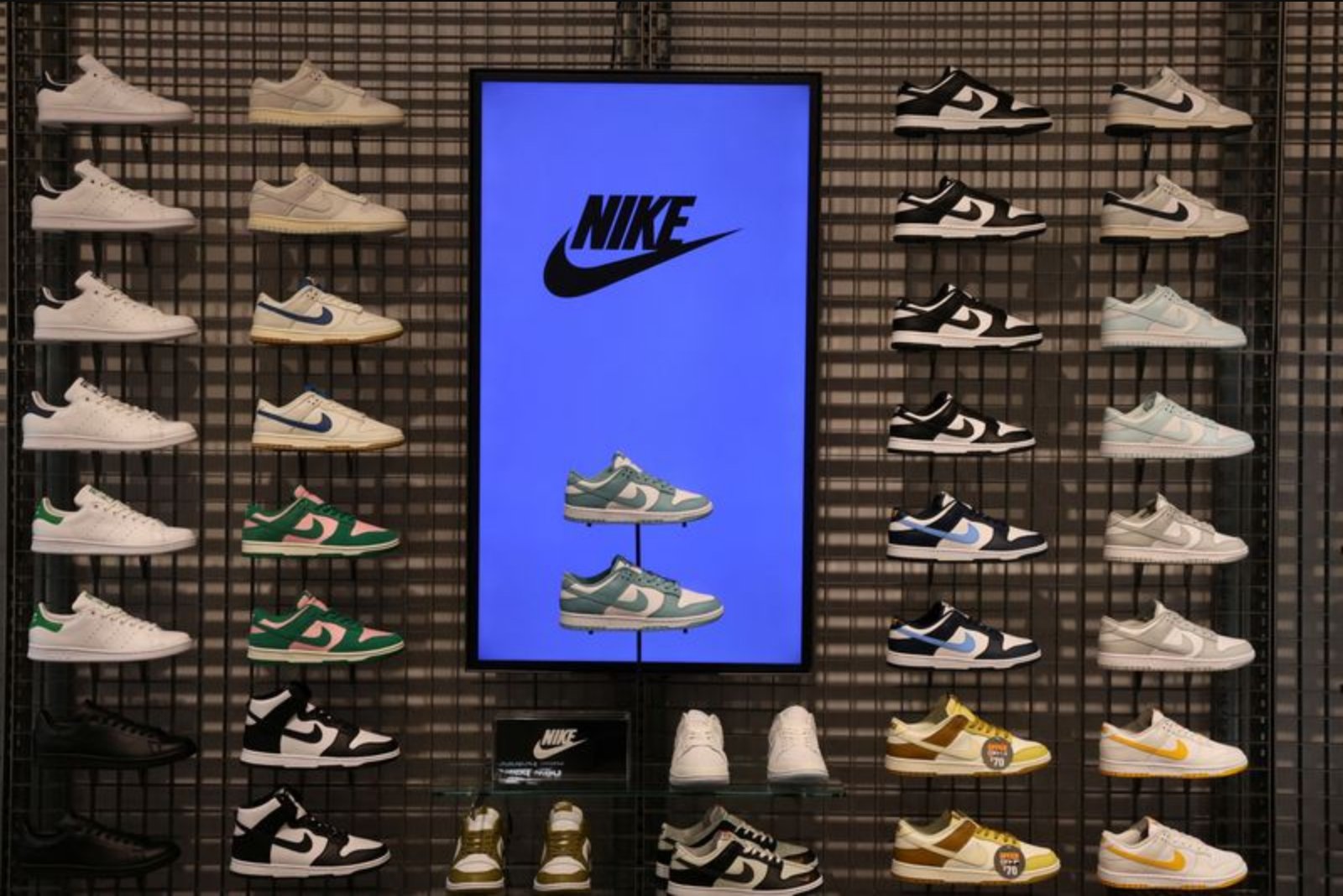
Nike was the target of a proposed class action filed on May 8 alleging the company did not return to consumers price increases tied to tariffs that were later overturned by the U.S. Supreme Court in February. The complaint contends Nike passed tariff-related costs to customers through higher retail prices and has not made a legally binding promise to reimburse those overcharges.
Plaintiffs say the Beaverton, Oregon-based apparel and footwear maker paid roughly $1 billion in tariffs on imports after tariffs were imposed under the International Emergency Economic Powers Act by President Donald Trump. According to the complaint, Nike adjusted retail pricing to offset those costs - raising prices on some footwear by $5 to $10 and on certain apparel items by $2 to $10.
The filing argues that, unless restrained by the court, Nike faces the prospect of recovering the same tariff-related sums twice - once through the higher prices charged to consumers and again through refunds it expects from the federal government after the Supreme Court decision. The complaint states: "Nike has made no legally binding commitment to return tariff-related overcharges to the consumers who actually paid them."
The lawsuit was filed in federal court in Portland, Oregon. Plaintiffs named Nike as the defendant and seek class status to represent similarly situated consumers who allege they bore the burden of the tariffs through elevated retail prices.
Nike did not immediately respond to requests for comment regarding the lawsuit, the complaint's allegations, or whether it will commit to issuing refunds to affected customers.
The legal challenge follows similar consumer suits against other companies, as plaintiffs have filed complaints alleging businesses failed to pass on tariff refunds. Firms named in other cases include Costco and EssilorLuxottica, the maker of Ray-Ban sunglasses, according to the complaint.
Separately, Nike told investors on a March 31 conference call that the fiscal quarter ending in August 2026 would likely be the final quarter in which tariffs represent a material year-over-year headwind to its gross margin. That statement was cited in the complaint to show the company anticipated the evolving impact of tariff costs on its margins.
Legal posture and next steps
The complaint asks the court to bar Nike from retaining tariff-related overcharges and to require refunds to consumers who paid the higher prices. The litigation remains at an early stage; the outcome will depend on motion practice, factual discovery, and how the court interprets the claims as presented in the plaintiffs' filing.