
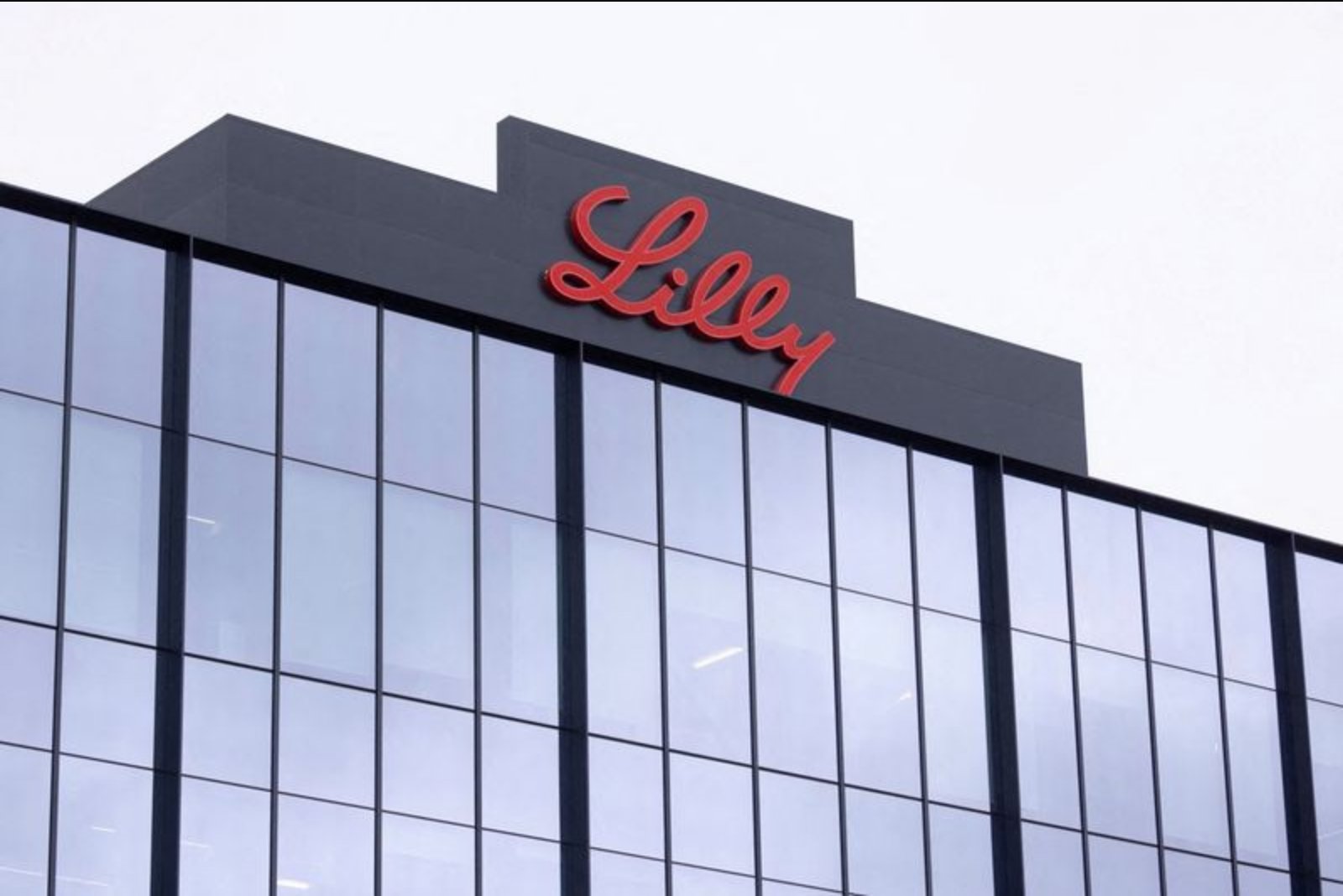
Eli Lilly on Wednesday won U.S. approval for an oral weight-loss medication, making it the second company to receive such regulatory clearance and underscoring the industry transition toward oral therapies for obesity.
The weight-loss drug market is entering a period of rapid change. Generic competitors are on the horizon and U.S. list prices for major injectable treatments from Eli Lilly and Novo Nordisk are softening. These shifts have led Wall Street to reassess earlier forecasts that projected a roughly $150 billion market within the next decade.
How the competitive field is shaping up
The following companies are among those racing to develop oral obesity drugs, most of which act on the GLP-1 pathway or combine GLP-1 activity with other metabolic targets. The information below summarizes the status and trial evidence cited by each developer.
-
Novo Nordisk - Novo Nordisk was the first company to introduce a GLP-1 pill for obesity, giving it an early competitive position. Its oral product received U.S. Food and Drug Administration approval in December and is under review by other regulators, with a decision in the United Kingdom expected by year-end.
-
Eli Lilly - Lilly's oral non-peptide GLP-1 agonist, orforglipron, marketed as Foundayo, is a once-daily pill. In a late-stage trial, the highest dose produced mean weight loss of 12.4% over 72 weeks in overweight adults without diabetes. A separate study reported that orforglipron helped sustain weight loss in patients who switched from Lilly's injectable Zepbound and from Novo Nordisk's Wegovy.
-
Structure Therapeutics - Structure's GSBR-1290, another non-peptide oral GLP-1 agonist, demonstrated weight loss of up to 11.3% after 36 weeks in a mid-stage trial involving 230 participants. The company plans to initiate late-stage development by mid-2026 following an FDA meeting scheduled for the first half of next year.
-
Merck - In collaboration with Hansoh Pharma, Merck is preparing to evaluate HS-10535, an oral small-molecule GLP-1 agonist, in early-stage clinical trials. The candidate remains in laboratory studies at present.
-
AstraZeneca - AstraZeneca, together with Eccogene, is advancing ECC5004, a once-daily oral GLP-1 receptor agonist. An early-stage trial showed a promising weight-loss signal and a favorable safety profile, and mid-stage trials are planned with AstraZeneca leading development.
-
Roche - Following its acquisition of Carmot Therapeutics, Roche is developing CT-966, an oral GLP-1 agonist. In an early-stage trial last year among obese patients without diabetes, CT-966 produced a placebo-adjusted average weight loss of 6.1% within four weeks.
-
Viking Therapeutics - Viking is working on an oral formulation of VK2735 that targets both GLP-1 and GIP hormones. In a mid-stage study, the experimental pill achieved a mean weight loss of 12.2%, which fell short of Wall Street's top-end expectation of 15%.
-
Pfizer - Pfizer entered the obesity drug arena through a $10 billion acquisition of Metsera, gaining two oral, long-acting GLP-1 candidates that are in preclinical testing. Separately, Pfizer and Chinese partner Sciwind Biosciences won approval in China for a once-weekly injectable weight-loss drug, Xianweiying, increasing competitive pressure on approved injectables from Novo Nordisk, Lilly and Innovent Biologics. Pfizer had previously developed danuglipron, a twice-daily oral GLP-1 agonist, but halted its development after mid-stage data indicated poor tolerability.
-
Innovent Biologics - Innovent is testing an oral GLP-1 candidate, IBI3032, in early-stage trials in both the United States and China.
-
HuaDong Pharmaceutical - HuaDong's oral obesity candidate HDM1002 reduced body weight by up to 6.8% in an early-stage study of overweight or obese participants in China.
-
Ascletis Pharma - Ascletis reported that its experimental oral GLP-1 agent ASC30 produced weight loss of up to 7.7% in a mid-stage U.S. study.
Market implications
The arrival of an additional approved oral therapy, combined with multiple programs progressing through clinical development, signals a change in how obesity could be treated and delivered. The move toward oral GLP-1 and GLP-1/GIP agents may alter prescribing patterns and patient preferences, and the presence of many competing candidates could affect pricing and commercial dynamics.
Analysts and investors are reassessing previously optimistic long-term revenue projections as the field becomes more crowded and as pricing pressure emerges in the United States. The balance between clinical differentiation, tolerability, regulatory timing and commercial strategy will shape winners and losers in this evolving segment of the pharmaceutical market.