
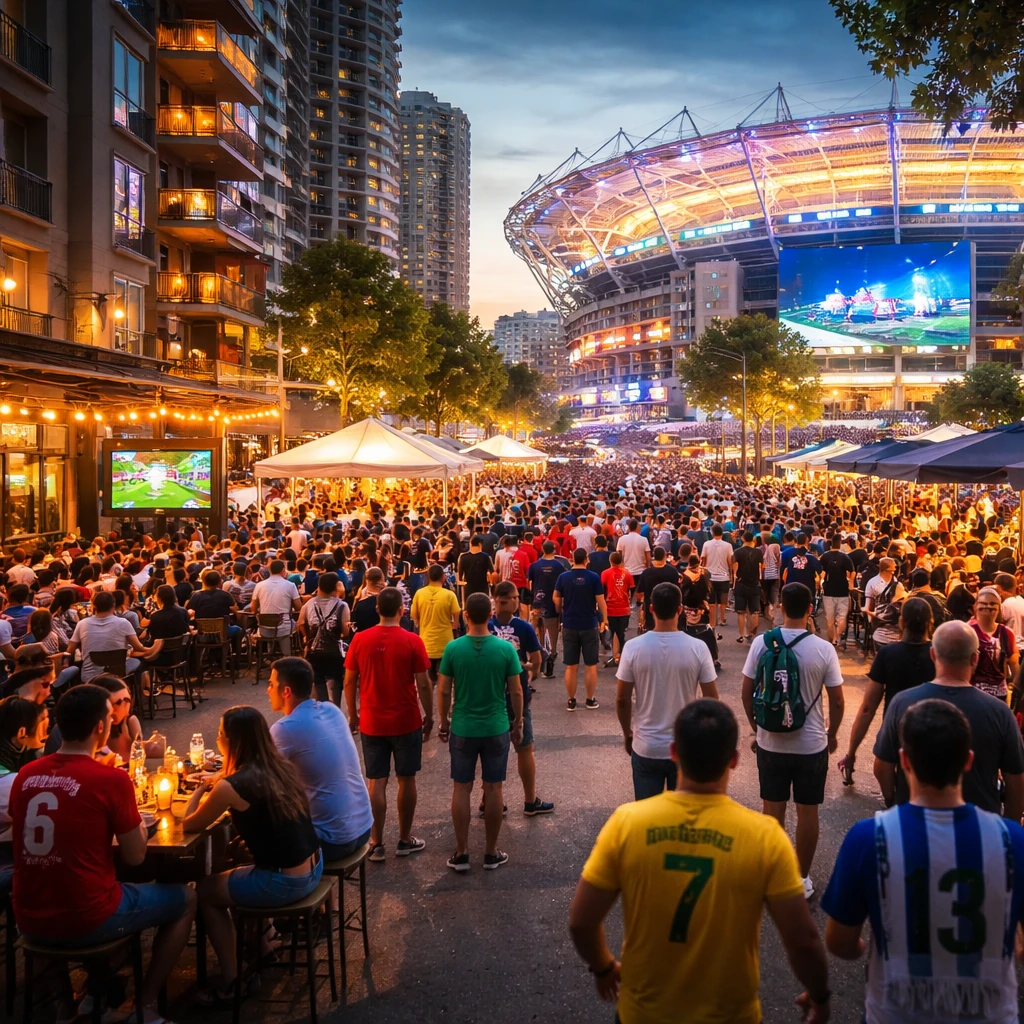
Bernstein’s analysis highlights a range of companies and sectors that could see revenue upside from the 2026 FIFA World Cup, which will be staged across 16 cities in the United States, Canada and Mexico and will feature 48 teams playing 104 matches. Large-scale sporting events typically lift consumer spending on travel, lodging, food and entertainment, and the size of this tournament is expected to drive a noticeable increase in demand across several industries.
Travel and lodging exposure
Within the travel sector, Bernstein singles out hotel operators Marriott International Inc (NASDAQ:MAR) and Hyatt Hotels Corporation (NYSE:H) as among the largest beneficiaries. The report notes Marriott’s substantial footprint in host cities and locations proximate to stadiums, while Hyatt also holds meaningful exposure to those same markets. As hotels approach capacity during peak match periods, Bernstein expects online lodging platforms such as Airbnb Inc (NASDAQ:ABNB) to pick up incremental bookings as spillover demand seeks alternatives to traditional hotel inventory.
Sportswear and merchandise demand
Nike and Adidas are projected to capture the bulk of sports-related merchandise upside tied to the World Cup. Together the two brands account for roughly 80% of the global football category and maintain sponsorship relationships with many of the tournament’s most popular teams and players. Bernstein estimates that global sales for both companies could rise in the range of about 3% to 4% during 2026 as consumer purchases of jerseys, footwear and fan apparel increase around the tournament.
Beverage companies and on-premise consumption
In beverages, Bernstein identifies Anheuser Busch Inbev NV ADR (NYSE:BUD) as the principal beneficiary by virtue of its role as a global tournament partner that secures exclusive beer rights within stadiums. The research note also points to other beverage firms that could see stronger on-premise sales as fans consume more in bars, restaurants and venues during match days, including Constellation Brands, Diageo and Molson Coors.
Restaurants and local consumer traffic
Restaurant chains with concentrated exposure to host-city demand are another category expected to experience elevated visits. Bernstein highlights Cava, Wingstop and Starbucks as chains positioned to capture higher customer traffic from fan gatherings, tourists and related local spending tied to the tournament schedule.
Hospitality packages, entertainment and betting
On the entertainment and hospitality side, TKO Group Holdings Inc (NYSE:TKO) could benefit through its On Location business, which sells official FIFA VIP hospitality packages. The report also flags DraftKings as a company likely to see increased sports betting activity linked to the tournament’s matches, translating to potential upside in customer engagement and wagering volumes during the event.
Duration and breadth of impact
Analysts observe that the World Cup’s economic influence is likely to extend beyond the match schedule itself. Bernstein expects spending to rise before, during and after the tournament as travel bookings, merchandise purchases, dining and entertainment activity respond to fan interest and tourist flows across host cities. The cumulative effect is framed as a broad-based, multi-sector uplift tied directly to the event’s scale and the concentration of matches across North American venues.
Bottom line
Bernstein’s note outlines a clear set of potential winners across lodging, sports apparel, beverage, restaurant and hospitality services as a result of FIFA 2026. The firms identified in the research note stand to gain from constrained hotel capacity, elevated fan-driven merchandise purchases and higher on-premise consumption, as well as from sales of premium hospitality packages and increased betting and entertainment engagement during the tournament window.