
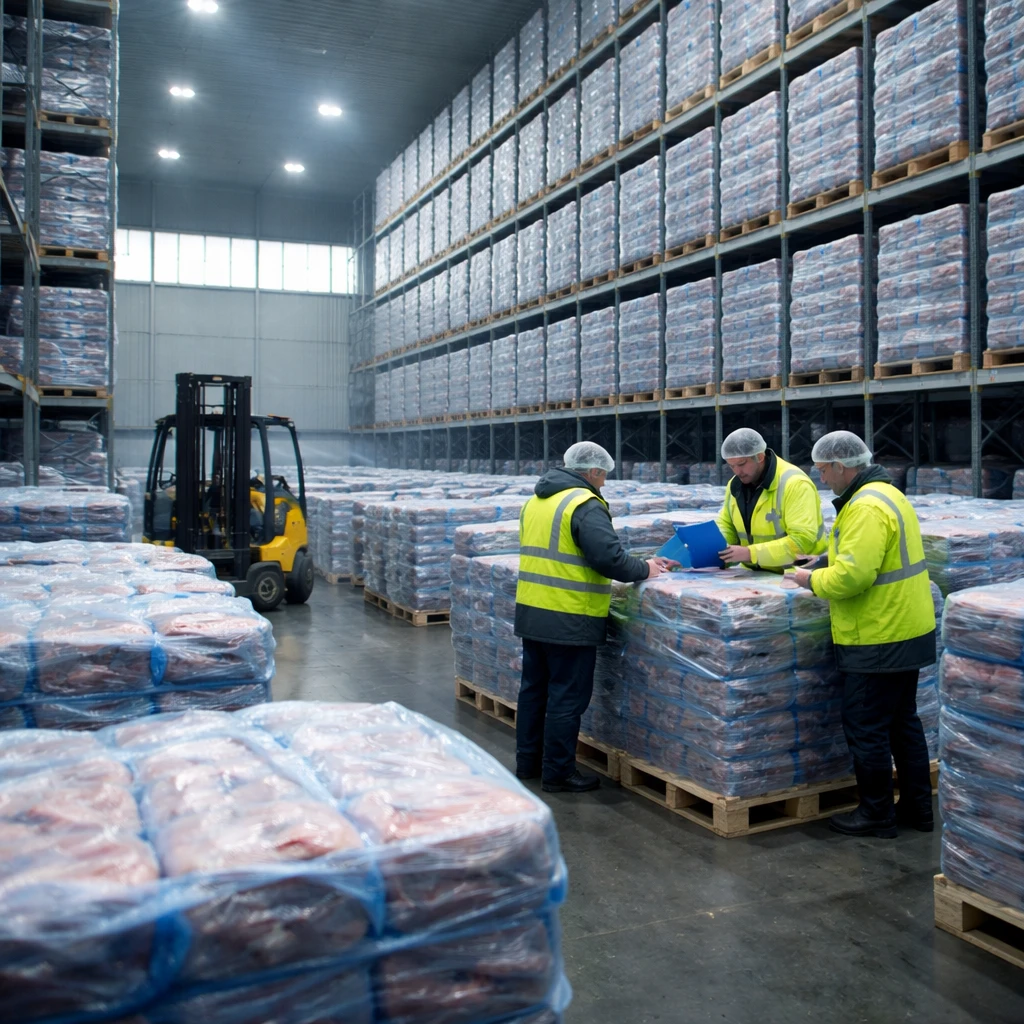
Chinese pork producers climbed on Thursday, bucking a wider downturn in domestic equity markets after regulators signaled renewed large-scale purchases of frozen pork for state reserves.
At the top of the movers, Muyuan Foodstuff Co Ltd (SZ:002714) advanced 3.7%. Other leading names in the sector also posted gains: Guangdong Wens Foodstuff Group Co Ltd (SZ:300498), New Hope Liuhe Co Ltd (SZ:000876), and Fujian Aonong Biological Technology Group Incorporation Ltd (SS:603363) each rose in the range of 1% to 3%.
These gains came while the broader Chinese benchmarks weakened. The Shanghai Shenzhen CSI 300 index fell 1.1% and the Shanghai Composite declined 0.8% on the session.
Government purchase program
China's National Development and Reform Commission said it will soon begin a second major tranche of frozen pork reserve purchases this year, according to local media reports. The stated objective of the purchases is to lift pork prices by taking supply directly off the market, which in turn would bolster margins for hog farmers.
Beyond supporting prices, these direct government buys provide an immediate revenue channel for pig farmers and for slaughterhouses, which can help cushion cash flows when market conditions are weak.
Market context and production dynamics
The intervention arrives against a backdrop of continued oversupply in the pork market. The article notes particularly high breeding sow inventories through late-2024 and mid-2025, which contributed to elevated production levels.
Pork output had risen substantially after disruptions earlier in the decade linked to the African swine fever crisis. Those earlier disruptions were followed by recovery in production, contributing to the current surplus conditions.
Government intervention in pork markets has been observed multiple times through 2025, and the authorities had also intervened once in 2026, reflecting an ongoing willingness to use state purchases to manage supply and prices.
Summary takeaway
Renewed state buying of frozen pork has supported share prices of leading pig breeders even as the wider market slid, with the policy intended to raise prices and shore up producer margins amid persistent oversupply.