
China's largest federation for science and technology professionals has decided to abstain from supporting attendance at one of the world's most influential artificial intelligence conferences after organisers changed submission rules to exclude entities subject to U.S. sanctions.
The Conference on Neural Information Processing Systems - commonly known as NeurIPS - recently revised its policy to comply with U.S. legal restrictions. Under that change, organisations listed under U.S. sanctions, including certain Chinese technology firms, are not permitted to submit research papers to the conference. The updated policy effectively prevents previously involved Chinese sponsors such as Huawei and SMIC from contributing papers.
In response, the China Association for Science and Technology (CAST) announced it would stop accepting funding requests from its members for attending NeurIPS. Instead, CAST said those funds would be channelled toward domestic conferences or "international conferences that respect the rights and interests of Chinese academics." The federation also stated that, for the purposes of its funding programmes, papers accepted at NeurIPS will no longer qualify as recognised research outputs, although their academic impact will still be acknowledged if evaluated by Chinese academic societies.
NeurIPS serves as an important peer-reviewed forum where researchers and companies from around the world present findings, debate technical advances, and recruit talent. The conference plays a role in setting the agenda for frontier AI development by enabling the exchange of vetted research results and by connecting academic and industry labs.
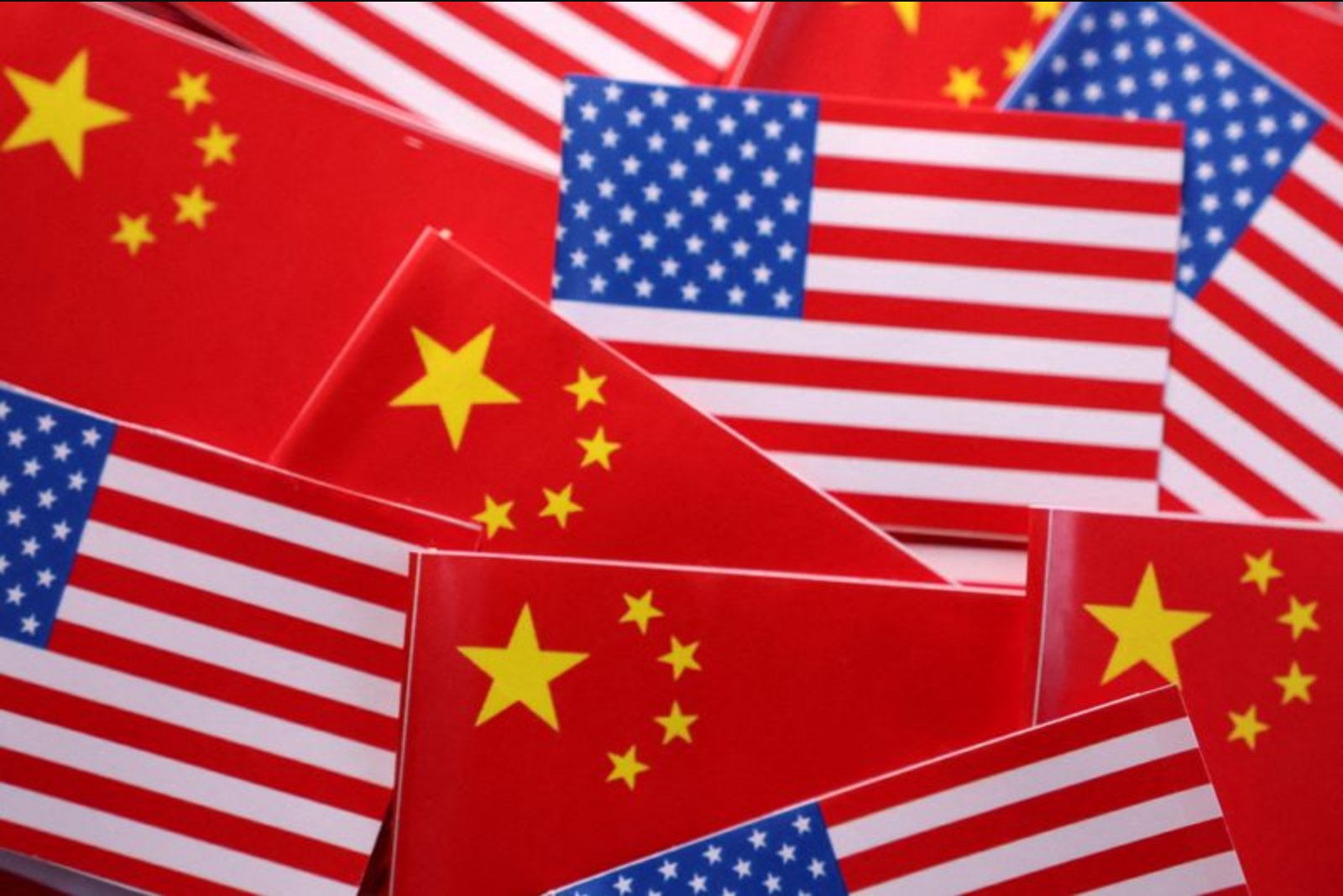
The dispute underscores how geopolitical tensions between the United States and China are now reaching into the mechanics of scientific exchange. The article's account links the NeurIPS decision to a broader pattern of increased scrutiny and restrictions between the two countries: Washington has been tightening oversight of Chinese researchers at U.S. institutions and has imposed sanctions on numerous Chinese universities and companies, limiting their access to advanced U.S. technology.
At the same time, China has implemented its own regulatory measures. The article notes that Chinese authorities recently restricted the travel of two executives of the AI agent startup Manus while reviewing whether Meta Platforms' $2 billion acquisition of the Chinese-founded company violated investment rules. The piece includes a separate promotional insertion about an investment valuation tool for Meta Platforms but does not present additional factual claims about the case beyond the regulatory review described above.
The sequence of actions - policy changes at a major international conference, a national federation's funding response, and reciprocal regulatory moves - illustrates how state-level decisions are altering the channels through which AI research is shared and recognised.
Summary
The China Association for Science and Technology has announced it will cease funding members to attend NeurIPS after the conference barred submissions from entities under U.S. sanctions. CAST will redirect support to domestic or other international venues and will not recognise NeurIPS-accepted papers for its funding criteria, though it may still note their academic impact in society evaluations.
Key points
- NeurIPS implemented a policy excluding submissions from entities under U.S. sanctions, affecting Chinese companies such as Huawei and SMIC.
- CAST will stop accepting funding applications for NeurIPS attendance and will instead fund participation in domestic conferences or other international events that it deems respectful of Chinese academics' rights.
- The decision has implications for the academic and technology sectors, reducing one international channel for peer-reviewed AI research dissemination and talent recruitment.
Risks and uncertainties
- Geopolitical interference - The evolving sanctions and compliance landscape could continue to restrict cross-border academic collaboration in AI, affecting research organisations and technology firms.
- Recognition and funding - Researchers whose work is accepted at NeurIPS may find those outputs ineligible for certain Chinese funding programmes, creating uncertainty for academics seeking grants and institutional recognition.
- Regulatory reviews - Ongoing investigations and investment reviews, such as the one noted regarding Meta Platforms' acquisition of Manus, add unpredictability for startups and investors involved in cross-border technology deals.