
China's passenger vehicle market continued to show divergent domestic and international trends in April, official industry data show. Domestic deliveries fell 21.6% versus the same month a year earlier, totaling 1.4 million units, marking the seventh straight month of year-on-year declines in the world's largest auto market.
Within the mix, electrified vehicles - including battery electric vehicles and plug-in hybrids - made up a majority of retail volume at 60.6% of total sales, but that segment also contracted year-on-year. Sales of electric vehicles and plug-in hybrids decreased 6.8% from the prior year, extending the segment's decline into a fourth consecutive month.
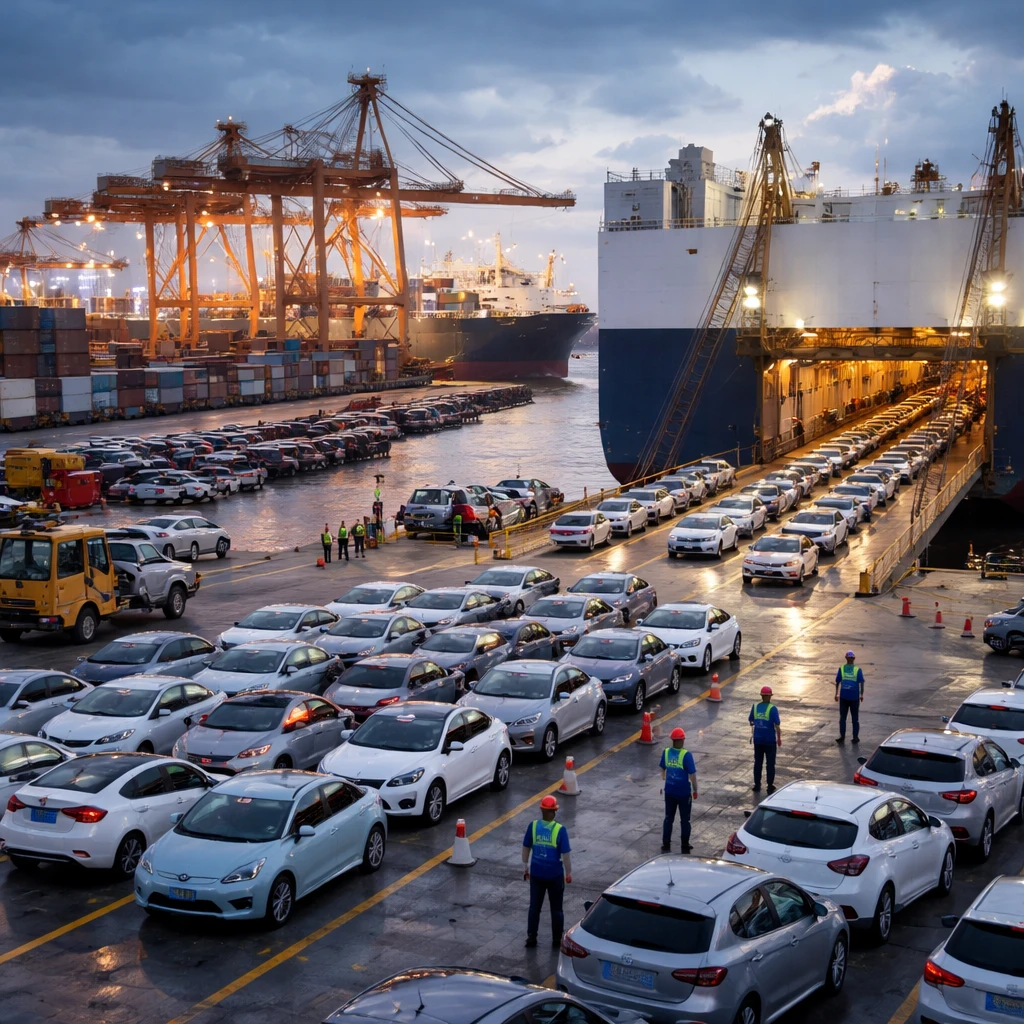
By contrast, outbound shipments of Chinese-made vehicles expanded rapidly in April as automakers leaned into overseas demand. Total vehicle exports rose 80.2% compared with a year earlier. Electrified vehicle exports showed even stronger growth, increasing 111.8% year-on-year.
The industry commentary accompanying the figures points to growing reliance on foreign markets as domestic demand softens. Several Chinese automakers have been pushing to boost export sales to offset saturated conditions at home. One of the country's top-selling manufacturers, BYD, has publicly indicated a greater emphasis on expanding shipments abroad.
Analysts and market participants have also linked higher international interest in electric vehicles to rising fuel prices globally. The data note that increases in fuel costs related to the U.S.-Israeli war on Iran have helped spur demand for electrified models in some overseas markets, supporting the surge in EV and plug-in hybrid exports.
Summary
In April, China reported a 21.6% year-on-year drop in domestic passenger car sales to 1.4 million units, marking seven consecutive months of declines. Electrified cars accounted for 60.6% of domestic sales but fell 6.8% year-on-year for a fourth straight month. Exports bucked the domestic trend: overall vehicle exports rose 80.2% and exports of electric and plug-in hybrid vehicles climbed 111.8%. Rising global fuel prices tied to the U.S.-Israeli war on Iran are cited as a factor driving overseas EV demand, and leading domestic manufacturers such as BYD are prioritizing exports amid a saturated home market.
Key points
- Domestic passenger car sales dropped 21.6% year-on-year in April to 1.4 million units.
- Electric vehicles and plug-in hybrids represented 60.6% of domestic sales but fell 6.8% year-on-year; that decline has continued for four months.
- Vehicle exports increased 80.2% year-on-year in April, with EV and plug-in hybrid exports surging 111.8%.
- Sectors affected include automotive manufacturing, international logistics and shipping, and markets focused on vehicle exports and energy-sensitive vehicle demand.
Risks and uncertainties
- Continued weakness in the domestic market - a prolonged slowdown could pressure manufacturers' margins and production planning in the automotive sector.
- Dependence on export markets - shifting demand or trade barriers abroad could expose automakers and logistics providers to volatility.
- Geopolitical and fuel-price volatility - changes in the conflict environment or fuel prices could rapidly alter overseas appetite for electric vehicles and affect shipping volumes and freight costs.