
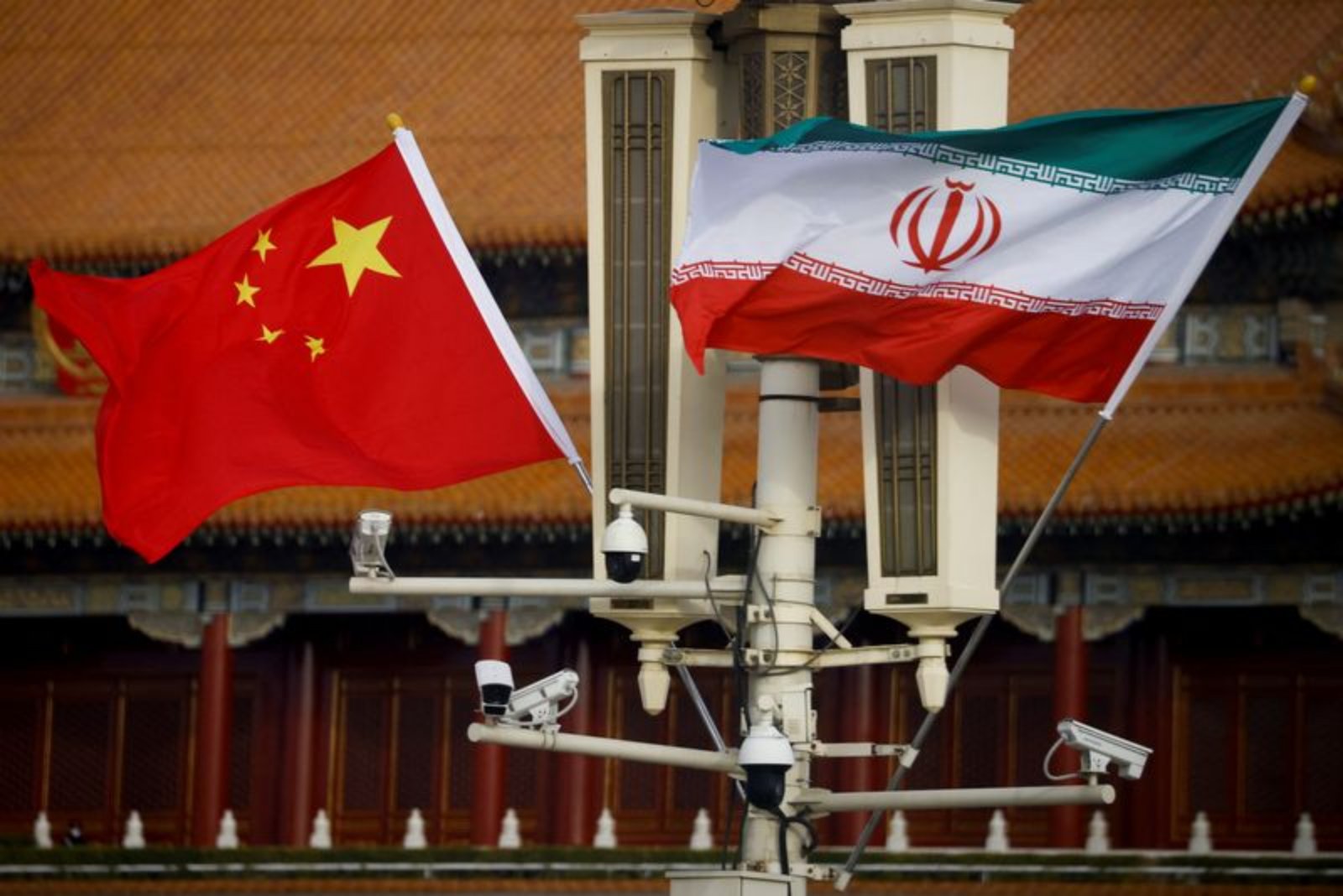
Weeks before U.S.-Israeli strikes hit Iran, procurement and tender listings from Chinese government and corporate sources revealed active commercial interest by a broad set of Chinese companies in projects across Iran, from heavy industry and energy to trade promotion. The records underline the scale and diversity of China-Iran engagement and underscore how the recent military action increases uncertainty for those projects.
The documents, which include procurement notices and contract awards issued in recent months, show activity in sectors such as structural steel supply, transmission-level grid equipment, hydropower commissioning, overland freight corridors and the organisation of trade exhibitions in Tehran. Many of the entries identify state-backed firms or subsidiaries of larger state groups, a fact that amplifies the potential economic exposure for China as the regional crisis evolves.
State-backed contractors and procurement activity
Examples from the records include Shanghai Baoye, an engineering and construction contractor that operates within China Metallurgical Group Corp. The paperwork shows a recent tender for structural steel intended for an Iran-based project, and a subcontract award valued at 7.7 million yuan to a local supplier for project equipment. A separate procurement outcome linked to Pinggao Electric - commonly associated with China’s State Grid network - mentions involvement in an Iranian project featuring a mobile substation.
China Railway Container Transport, a subsidiary of China State Railway Group, listed a shortlist of overseas service providers for westbound Central Asia routes that included Iran, reflecting the country’s role in logistics corridors connected to the Belt and Road Initiative. Filings reviewed also indicate a flow of Chinese engineering and equipment into Iran alongside Iranian raw materials and petrochemicals returning to Chinese industry.
On the materials side, notices from Henan Fengbao Special Steel mentioned the purchase of iron ore pellets identified as being of Iranian origin. In petrochemicals, procurement postings by Jiangsu Sopo Group sought polyethylene specified as "Iran Petrochemical LFI 2119," with deliveries to a plant in Zhenjiang. That resin code appeared in multiple inquiries, implying repeated sourcing.
Trade promotion and provincial engagement
Provincial commerce departments were visible in the records as well. Zhejiang province, a highly export-oriented eastern province, published contracts for organisational services linked to Tehran trade exhibitions covering pharmaceuticals, electronic components and automotive parts. One open tender in February requested contractors for an international auto parts exhibition in Iran scheduled for later this year, with a bid deadline of March 2.
Meanwhile, provincial commerce offices in Shaanxi and Heilongjiang, and state-linked oilfield equipment firms, announced plans to participate in Iran’s international oil and gas exhibitions. These entries point to a coordinated, cross-regional commercial push into Iran by both local governments and central state-owned companies.
Political backdrop and economic dynamics
China has cultivated close ties with Iran and is one of Tehran’s largest oil buyers. The two countries signed a 25-year cooperation agreement in 2021, though the records do not provide the full details of that arrangement. An adviser to China’s foreign ministry, speaking on condition of anonymity, said economic cooperation has slowed in recent years because it did not deliver large gains in non-oil trade for China. The adviser added that the Iran protests served as a cautionary example to Beijing because of Tehran’s domestic economic mismanagement, governance failures and corruption.
None of the entities named in the procurement and contract documents responded to inquiries about the status of the projects or whether the recent strikes had directly affected operations.
Potential implications and expert view
Analysts say the crisis will likely harm foreign direct investment into Iran broadly, rather than singling out Chinese investment. Michael Feller, chief strategist at consultancy Geopolitical Strategy, commented that, while the conflict will damage FDI into Iran generally, China might be positioned to bid for reconstruction work if the war ends. He suggested that Chinese firms could potentially enjoy advantages in reconstruction contracts or have a greater risk tolerance than some Western firms under certain political scenarios.
Commercial miscellaneous and promotional notices in the filings
The procurement and tender records also contained commercial service and supply notices. One section of the original filings referenced a stock evaluation service asking, "Should you be buying 600312 right now?" and described an AI-based tool that evaluates companies using multiple metrics. That promotional material included historical performance figures for prior suggestions, listing Super Micro Computer with a +185% gain and AppLovin with a +157% gain, and invited readers to see if ticker 600312 features in any current strategies.
Outlook
The presence of numerous state-backed firms in Iran-related tenders and contracts means that Beijing’s commercial and strategic engagement with Tehran could translate into measurable business exposure as the Middle East conflict deepens. While activity across infrastructure, energy, materials and trade promotion indicates a robust commercial relationship, the recent strikes inject a new layer of uncertainty about project timelines, contractor participation and future investment flows.
Where the conflict leads remains unclear in the records. The filings reflect ongoing trade and procurement activity up to the weeks before the strikes, but they do not provide definitive information on how near-term operations have been altered by recent events. Parties interested in sectoral impacts - notably energy, heavy industry, logistics and provincial trade promotion networks - will be monitoring whether contract execution proceeds, is delayed, or is restructured in light of the security environment.
Note: The article is based on procurement and tender records and public filings that show active Chinese engagement with Iran across several sectors. Details in the filings were limited and many entities did not reply to requests for comment.