
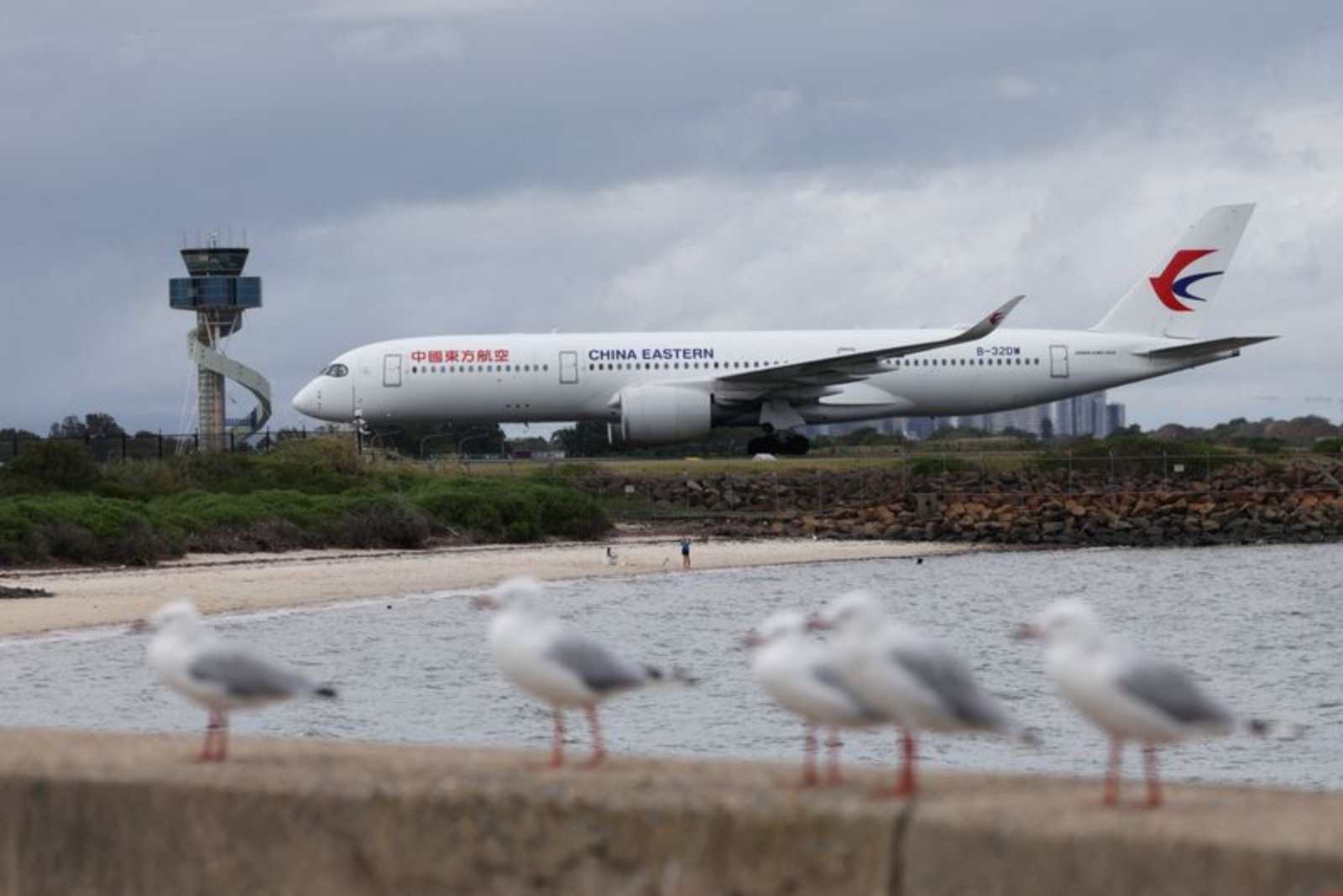
Summary: China’s three state-controlled carriers reported renewed weakness in the fourth quarter of 2025 as geopolitical tensions in the Middle East pushed jet fuel prices sharply higher. The industry-wide picture is one of growing passenger volumes year-on-year but thinning margins, driven by aggressive capacity expansion, intensified competition from rail and lower ticket yields. All three airlines signaled caution on the outlook for the year ahead.
Sector snapshot and quarterly results
Guangzhou-based China Southern slipped back into the red in the fourth quarter of 2025, posting a loss of 1.3 billion yuan. Shanghai-based China Eastern recorded a fourth-quarter loss of 3.7 billion yuan, while Beijing-based Air China reported a loss of 3.64 billion yuan for the same period. Of the three, China Southern was the only carrier to record a full-year profit for 2025 despite its Q4 setback.
All three carriers noted that international services had been a bright spot over the year. For the full year of 2025, China Eastern said international passenger traffic rose 22.7%, China Southern reported a 19.6% increase, and Air China registered a 15% rise. Yet momentum faltered late in the year as fourth-quarter pressures, including capacity reductions and elevated costs, weighed on operations.
Market dynamics and demand
Even as passenger numbers climbed, the domestic market is dealing with oversupply and stiff competition that have pushed fares lower. The three flag carriers - which expanded capacity aggressively over the period - found it difficult to sustain the profit rebound seen earlier in 2025 when summer travel demand lifted results. Competition from the expanding high-speed rail network in China was cited as a factor putting downward pressure on ticket prices.
Aviation data provider Flight Master recorded a domestic travel surge during the 40-day Spring Festival period in the first quarter of 2026, with Chinese airlines carrying a record 94 million passengers, a 4.7% increase year-on-year. Analysts pointed out, however, that the revenue benefit from holiday demand may be vulnerable to rising fuel expenditure.
Geopolitics, fuel and margins
Executives at the carriers highlighted the persistent impact of geopolitical conflicts on the operating environment. The Iran war, which began last month according to the carriers' reporting timeline, has driven a more than doubling in jet fuel prices and upended earlier industry profit forecasts. Before the conflict, the global airline industry had been forecasting record profits of $41 billion in 2026; sharply higher fuel costs have put that outlook at risk and prompted carriers to reassess networks and strategy.
Fuel costs form a material portion of operating expenses. HSBC analysts cited by the carriers' reports estimated that fuel made up between 35% and 38% of operating expenses for the trio in the first half of 2025. Because China’s fuel surcharge mechanism typically lags behind spot fuel prices and often does not fully offset higher fuel bills, carriers face an erosion of profit margins unless other offsets are found.
China Eastern was the only one of the three state-owned airlines to implement jet fuel hedges in 2025. As of December 31, 2025, China Eastern held outstanding jet fuel hedge positions covering 500,000 barrels, scheduled to expire in 2026. The carrier’s sensitivity analysis showed that a 5% change in average jet fuel prices would alter its total profit by about 2.2 billion yuan.
HSBC analysts warned that aggressive attempts to pass on higher costs through fuel surcharges risk suppressing demand, especially given the competitive pressure from lower-cost rail alternatives. These analysts project the three carriers will record deeper losses in 2026 before returning to profitability in 2027.
International operations and Japan capacity cuts
International operations helped lift full-year revenues, but the fourth quarter brought added strain. The carriers sharply curtailed capacity to Japan after a government travel advisory issued in mid-November, a move that also led to free refunds for affected passengers. The travel advisory and resultant capacity reductions put further pressure on international revenues in the final quarter of 2025.
Fleet deliveries from COMAC
The three airlines continue to receive deliveries of China’s domestically produced C919 narrow-body jet from planemaker COMAC, although deliveries in 2025 were fewer than expected. For 2026, China Southern raised its delivery target to 13 aircraft from an earlier forecast of eight. China Eastern and Air China maintained forecasts of 10 deliveries apiece for 2026.
Additional note included in the original report
The original article contained a promotional segment noting that an AI product called ProPicks evaluates ticker 600029 among other companies using over 100 financial metrics, and it referenced past winners of that tool. That segment also asked whether readers should be buying ticker 600029 at the present time. The main airline reporting above remains the central content of this report.
Conclusion
China’s largest state-owned carriers closed the year with renewed losses in Q4 2025 even as international passenger volumes rose across the full year. The Iran war-induced spike in jet fuel prices, combined with persistent domestic oversupply and mounting competition from rail, have created a challenging near-term outlook. Carriers are reviewing capacity and cost strategies while monitoring fuel markets and geopolitical developments that could continue to influence profitability into 2026 and beyond.