
Stock Markets March 30, 2026

Cathay Pacific Holds Course on Capacity as Fuel Costs Climb, CEO Says

Airline prioritizes maintaining services despite higher jet fuel and regional disruption; cuts would be a last resort

By Nina Shah
Cathay Pacific Holds Course on Capacity as Fuel Costs Climb, CEO Says

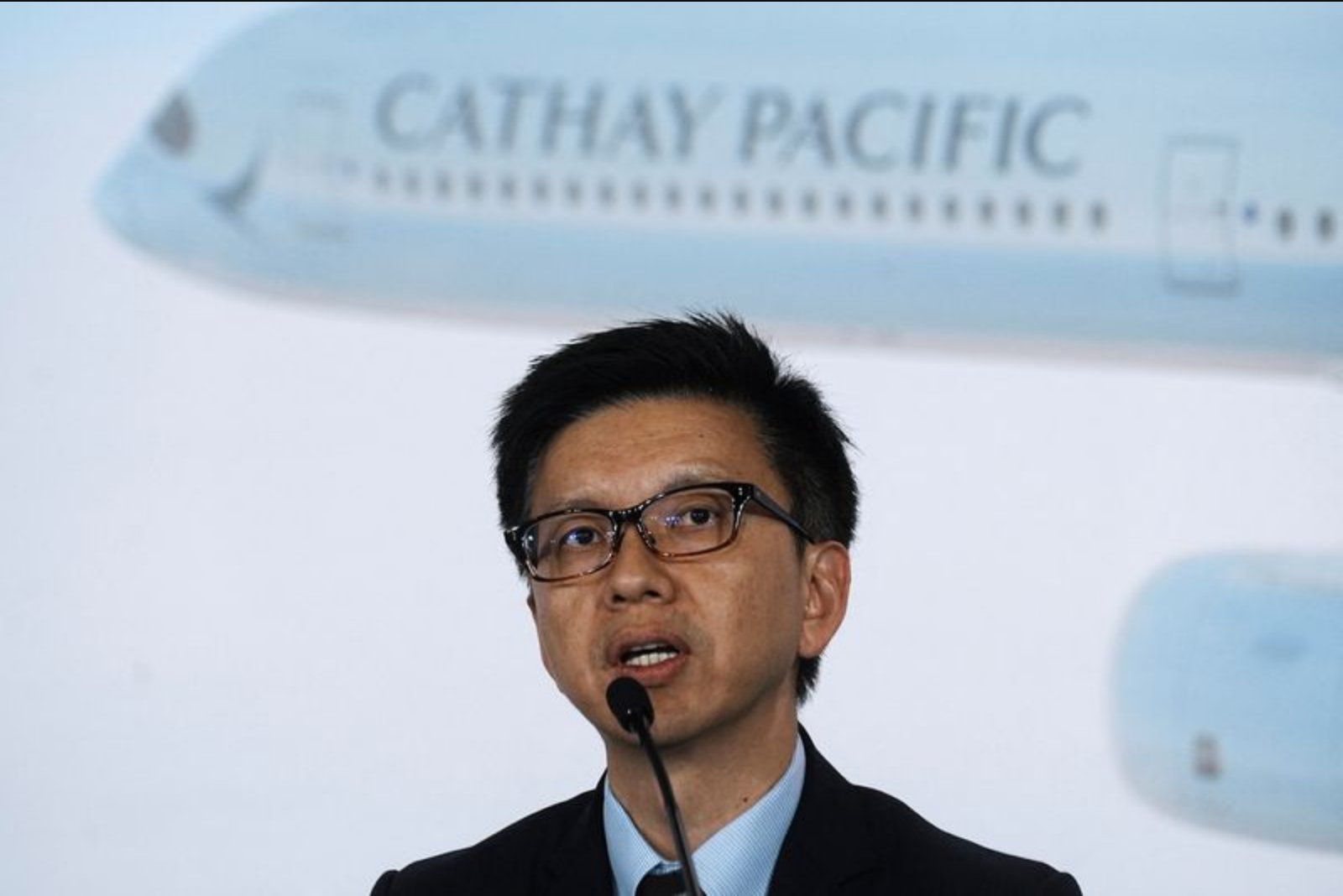
Cathay Pacific Airways said it will prioritize keeping flight capacity in the near term even as rising jet fuel prices linked to the Middle East conflict increase operating costs. CEO Ronald Lam reported stronger demand on long-haul routes to North America, Europe and Australia following the disruption of traffic through the Middle East, but warned that prolonged, doubled fuel prices would put passenger and cargo demand under strain. The airline has added significant fuel surcharges but, unlike some carriers, has not trimmed capacity.

Key Points

  • Cathay Pacific's immediate priority is to maintain flight capacity even as jet fuel costs rise due to the Middle East conflict; the airline considers cuts a last resort.
  • Since the conflict began and traffic through the Middle East declined, Cathay Pacific has seen increased demand on long-haul routes to North America, Europe and Australia.
  • To mitigate higher fuel expenses the airline has implemented substantial fuel surcharges; unlike some carriers it has not reduced capacity, impacting the aviation and travel sectors as well as air cargo operations.

Cathay Pacific Airways is choosing to sustain flight capacity for now despite concerns over surging jet fuel costs tied to the conflict in the Middle East, Chief Executive Ronald Lam said on Monday. Speaking at an event in Seattle to mark the launch of the carrier's new Seattle-Hong Kong route, Lam described preserving service levels as the airline's short-term priority and said any reduction in flying would be treated as a "last resort".

Lam told reporters that since the U.S.-Israeli conflict with Iran began last month and traffic through the Middle East has dropped significantly, the airline has observed a pickup in demand on its long-haul services to North America, Europe and Australia. "We do see some slight surge in demand on certain routes," he said, while also highlighting mounting concern over jet fuel prices.

The CEO cautioned that passenger and cargo volumes would not remain in a "sustainable situation" if jet fuel remained at roughly double pre-conflict levels for an extended period. To address the immediate cost pressure, Cathay Pacific has implemented substantial fuel surcharges. Unlike several other carriers, however, the airline has so far refrained from cutting capacity; the article notes that other carriers including United Airlines, SAS and Air New Zealand have taken capacity reductions.

Lam's comments underline the trade-offs airlines face as they weigh short-term demand patterns against sharply higher fuel bills. Maintaining capacity responds to the observed demand uplift on some long-haul routes, while surcharges aim to offset elevated operating costs. Yet the CEO flagged that prolonged elevated fuel prices could force a reassessment of what is sustainable for both passenger and freight operations.


Event context: Lam made the remarks during a Seattle gathering celebrating Cathay Pacific's new Seattle-Hong Kong service.

Operational stance: Preserve capacity where possible; deploy fuel surcharges to manage cost pressures; view cuts as a fallback option only.

Risks

  • If jet fuel prices remain around double pre-conflict levels for a prolonged period, passenger and cargo demand could become unsustainable - a material risk for airlines and air freight operators.
  • Sustained high fuel costs may force Cathay Pacific and other carriers to consider capacity reductions as a non-preferred option, introducing uncertainty for airline networks and travel-related markets.
  • Rising operating costs driven by geopolitical disruption increase pressure on airline pricing and margins, affecting airline sector profitability and potentially consumer fares.

More from Stock Markets

Asia markets wobble as Iran conflict weighs; South Korea posts heaviest March decline Mar 30, 2026 U.S. Futures Surge After Report Says Trump May End Iran Hostilities Without Reopening Hormuz Mar 30, 2026 Collins Foods transfers 20 Taco Bell outlets to Yum affiliate as it retreats from loss-making brand Mar 30, 2026 American Exchange Group to Acquire Allbirds Assets for $39 Million as Shoe Company Plans Wind-Down Mar 30, 2026 Australia’s A$350bn Retirement Trust steps up buying of Japanese and European stocks, UK and Australian bonds Mar 30, 2026