
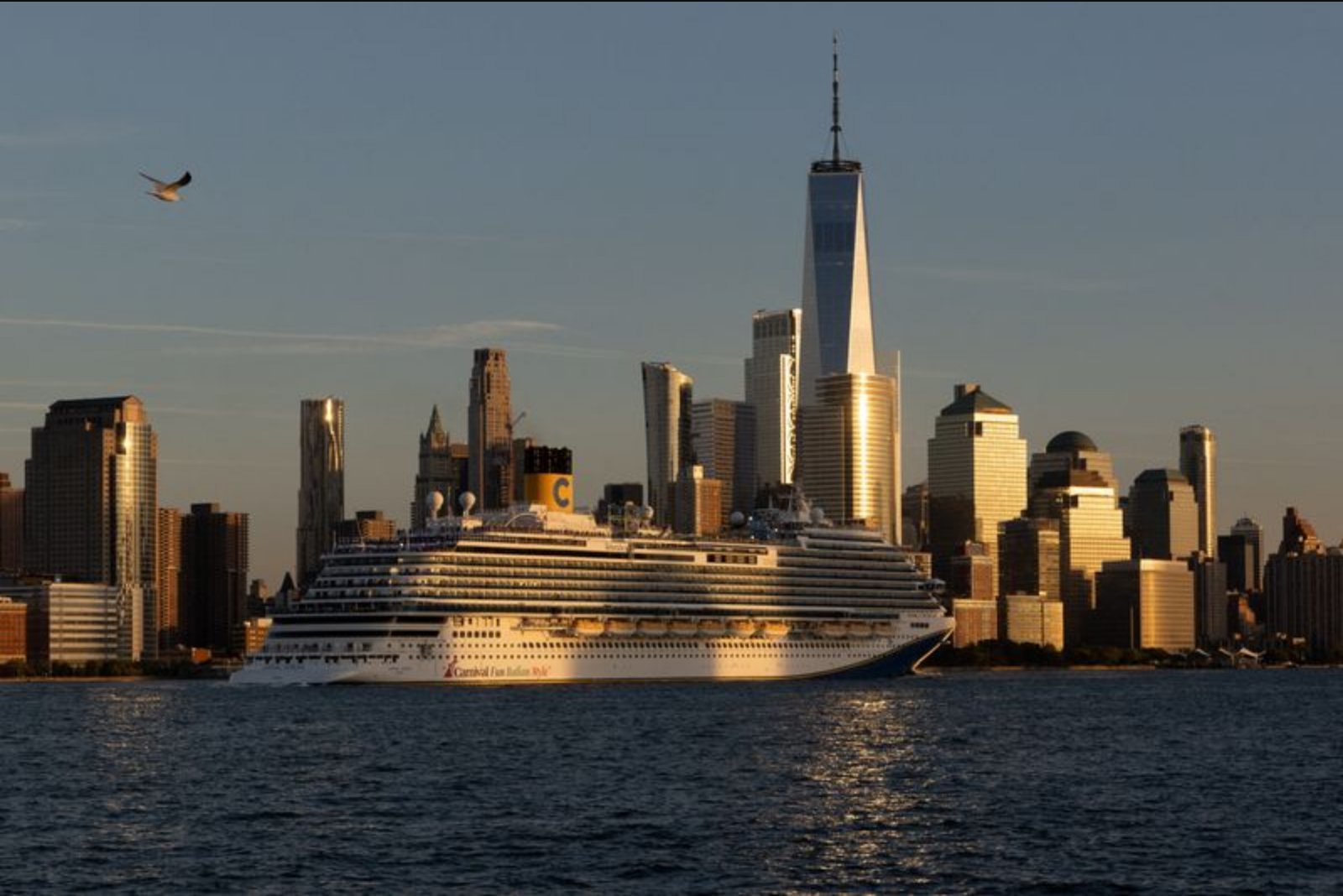
Carnival Corp has reduced its full-year adjusted earnings-per-share forecast, citing an increase in fuel costs that is narrowing the cruise operator's margin profile amid heightened geopolitical tensions in the Middle East. The company said volatility in oil markets since the onset of the conflict in Iran has pushed fuel expenses higher, a development it identified as a key factor behind the revision.
The company described a series of attacks on oil and transport infrastructure across the Middle East and disruptions to energy flows through the Strait of Hormuz as contributors to the recent rise in oil prices. Those dynamics, Carnival said, have elevated concerns about global supply and driven a spike in energy prices that affects its operating cost base.
Notably, Carnival is the only major U.S. cruise line that does not use hedging to lock in fuel costs. The company said its updated guidance relies on fuel purchases made in March and early April rather than on prevailing spot prices. For planning purposes, Carnival is assuming Brent crude will average $90 a barrel for the remainder of April and May, $85 a barrel in the third quarter and $80 a barrel in the fourth quarter.
Carnival highlighted that cruise lines typically depend on a mix of fuel types, including heavy fuel oil and marine gas oil, and that many operators turn to financial hedges as a means to insulate results from sudden swings in fuel prices. Because Carnival remains unhedged, the company identified recent price moves as a direct pressure point for profitability.
The company's updated outlook pegs full-year adjusted earnings per share at approximately $2.21, down from a prior expectation of up to $2.48. Following the guidance cut, Carnival's shares were down about 3% in premarket trading, according to the company statement.
In releasing its revised forecast, Carnival noted that its assumptions reflect fuel already purchased and specified Brent price averages for upcoming periods instead of relying on day-to-day market quotations. The firm did not change other elements of its guidance in the statement provided.
Context for investors - The revision underscores how shifts in energy markets can feed through to travel operators' profitability, particularly for firms that do not employ fuel hedges. Carnival's decision to base guidance on contracted fuel bought in March and early April signals an attempt to balance recent volatility against a transparent planning baseline.
What remains uncertain - Future fuel prices and the persistence of geopolitical tensions will determine whether the company must further adjust its forecast. Carnival's outlook explicitly ties near-term assumptions to its purchased fuel and stated Brent price averages, leaving future revisions contingent on subsequent market developments.