
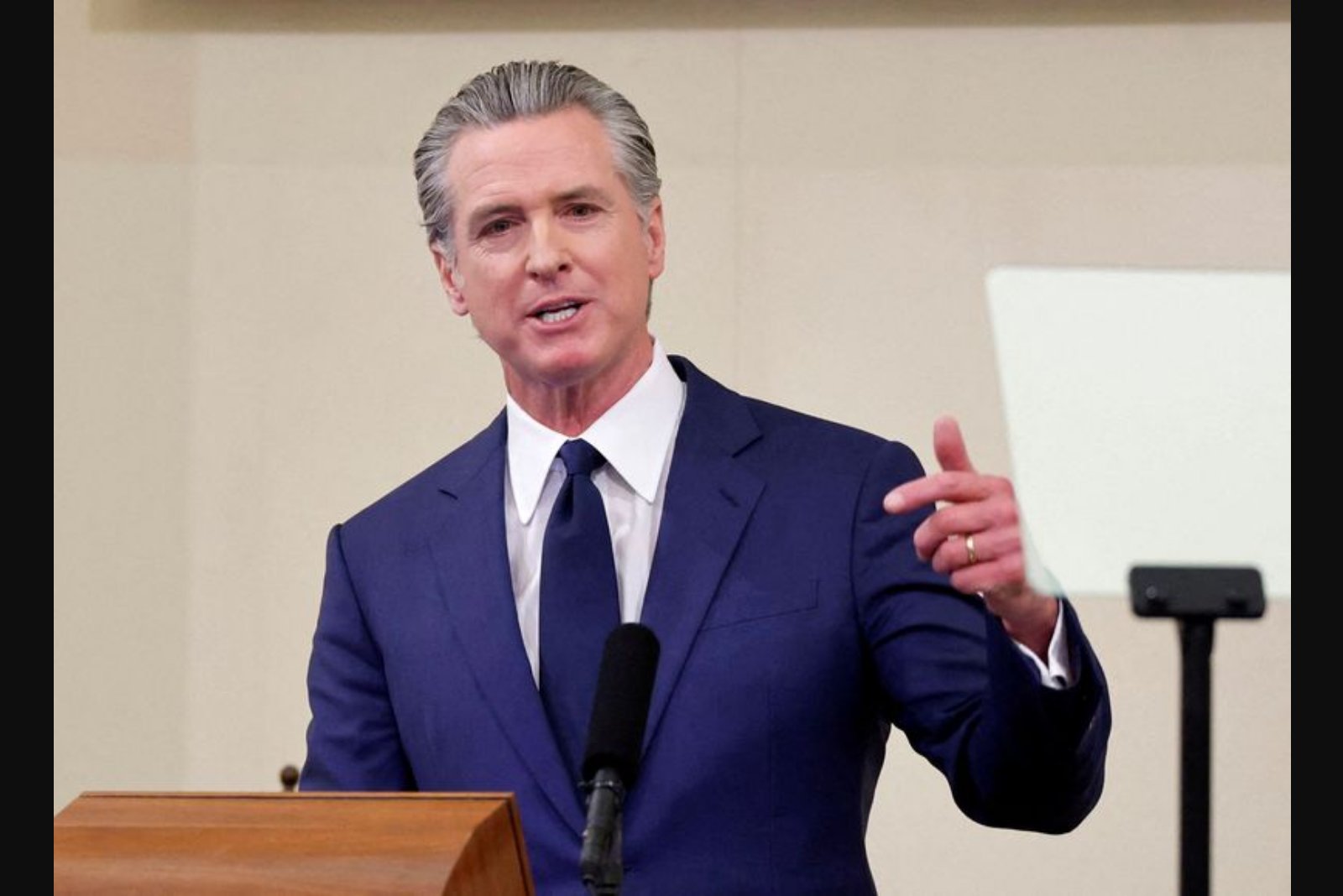
California Governor Gavin Newsom has issued an executive order that prevents state officials appointed by the governor from using non-public information to place wagers or otherwise profit from prediction markets, according to the text of the order.
The action targets trades on platforms like Polymarket and Kalshi, which are named in discussions around the order as two of the largest operators in the prediction market space. Newsom's directive states that all gubernatorial appointees are disallowed from leveraging any material non-public information for personal gain or to enable another person - including relatives or former business partners - to profit from predictive markets.
The move follows reports that an anonymous trader made in excess of $400,000 betting that Venezuelan President Nicolas Maduro would be ousted from his office in advance of a reported U.S. mission aimed at capturing the leader. That episode prompted concerns that government insiders could exploit privileged information to benefit in such markets.
Requests for comment to Polymarket did not receive an immediate response. Kalshi, meanwhile, posted a statement on X noting the platform's stance on insider activity:
"At Kalshi, insider trading violates our rules, and we enforce them when we catch insiders ... Government employees should be aware that trading on federally regulated markets using material non-public information violates the law."
Newsom's order makes clear that the prohibition covers not only direct personal profit but also assisting others to use material non-public information for gain on predictive markets. The scope specifically references benefits to family members or past business associates as examples of conduct that the order forbids.
Policymakers and platform operators have been placed under renewed scrutiny by the episode cited in the order, and the governor's directive aims to close a pathway for potential misuse of confidential information by state appointees on commercial prediction platforms.
Context limitations: The order and the public statements cited outline the prohibition and reference the high-value trade that prompted concern, but the executive order text as reported does not provide additional enforcement mechanisms or detailed procedures in this summary.