
Bank of America has raised its price objective for Intel shares to $96 from $56, but it maintained an Underperform rating on the stock, saying that the market appears to have already factored in major positives - including a potential foundry relationship with Apple.
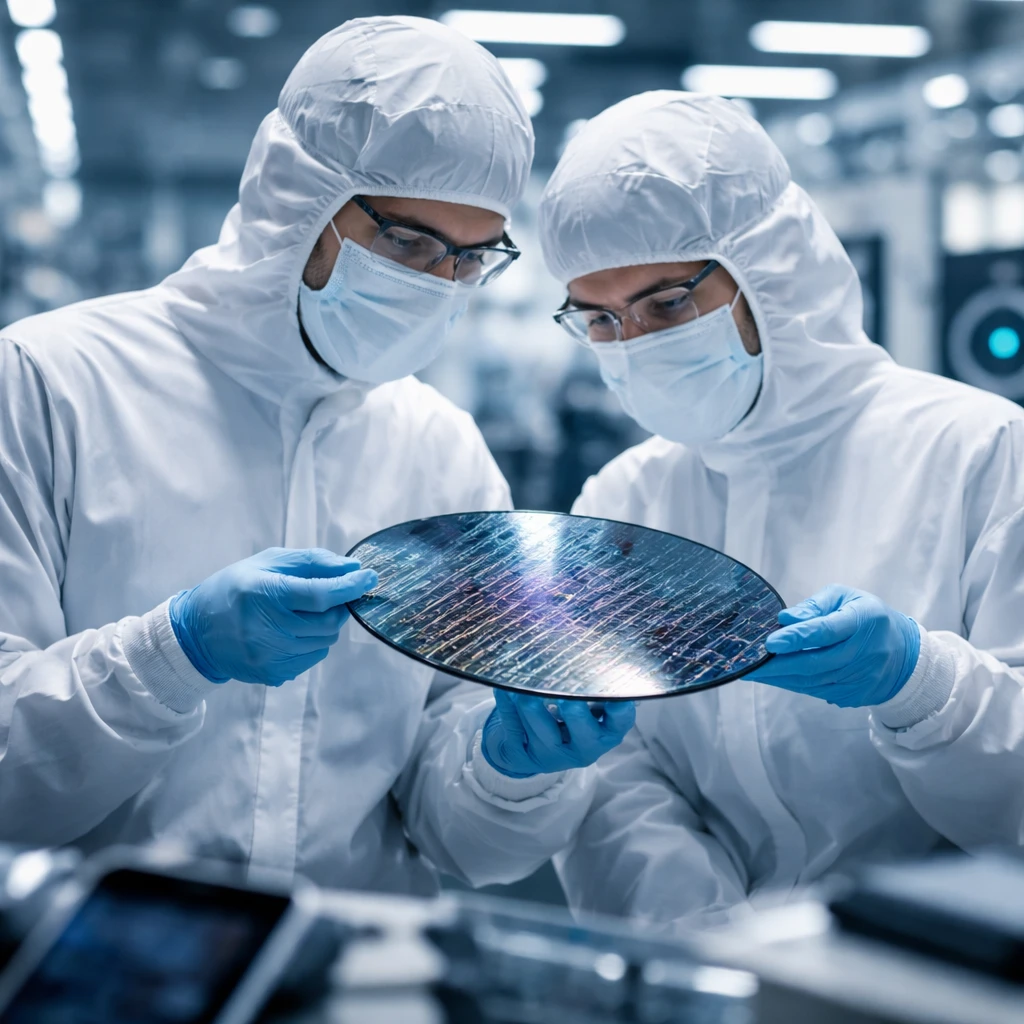
The Wall Street Journal reported that Apple and Intel reached a preliminary agreement for Intel to manufacture some chips used in Apple devices. BofA estimated that, if realized, the arrangement could generate roughly $10 billion in annual foundry sales for Intel by 2030, an outcome premised on about a 25% share of Apple’s chip volumes.
Intel stock jumped sharply on the news, climbing 14% on Friday to close at a record high of $124.92, extending a year-to-date advance of nearly 240%.
BofA’s upward revision of its target stems from a new sum-of-the-parts valuation approach and a more bullish projection for the server CPU market. The bank now forecasts the server CPU total addressable market reaching $120 billion by 2030, up from its prior $80 billion estimate.
Analysts see Intel’s foundry work initially focusing on Apple’s M-Series chips used in MacBooks and iPads, with the possibility of expanding to A-Series processors for iPhones over time.
"While discussions are likely still ongoing, we believe this is related to earlier INTC mgmt commentaries that Intel Foundry is engaged with customers to manufacture ARM-based processors (such as Apple SoCs)," BofA analysts led by Vivek Aryas said.
Despite acknowledging the potential, the analysts were careful not to bake the Apple relationship into their formal financial model until there is more clarity on commercial terms. They highlighted that even if an agreement is confirmed, it would require two to three years of capital expenditure buildout, qualification, and ramp-up before meaningful revenue is realized.
Those early stages are likely to weigh on gross margins, the team said, pointing to depreciation, low yields and startup costs. As a result, Intel’s goal of achieving foundry operating breakeven by 2027 "could be delayed by another one to two years."
Summing up their stance, the analysts wrote: "We acknowledge the potential opportunity and alongside the recent increase in industry server CPU TAM outlook...However, we reiterate Underperform as we believe these upsides are already fully valued, and we believe CPU peers AMD/ARM are better positioned to benefit (share gainers) of the rising TAM."
This assessment leaves investors weighing a stretched valuation against the prospects for sizable new revenue streams over the coming decade, while BofA points to near-term execution and margin pressures that could temper returns during the buildout phase.