
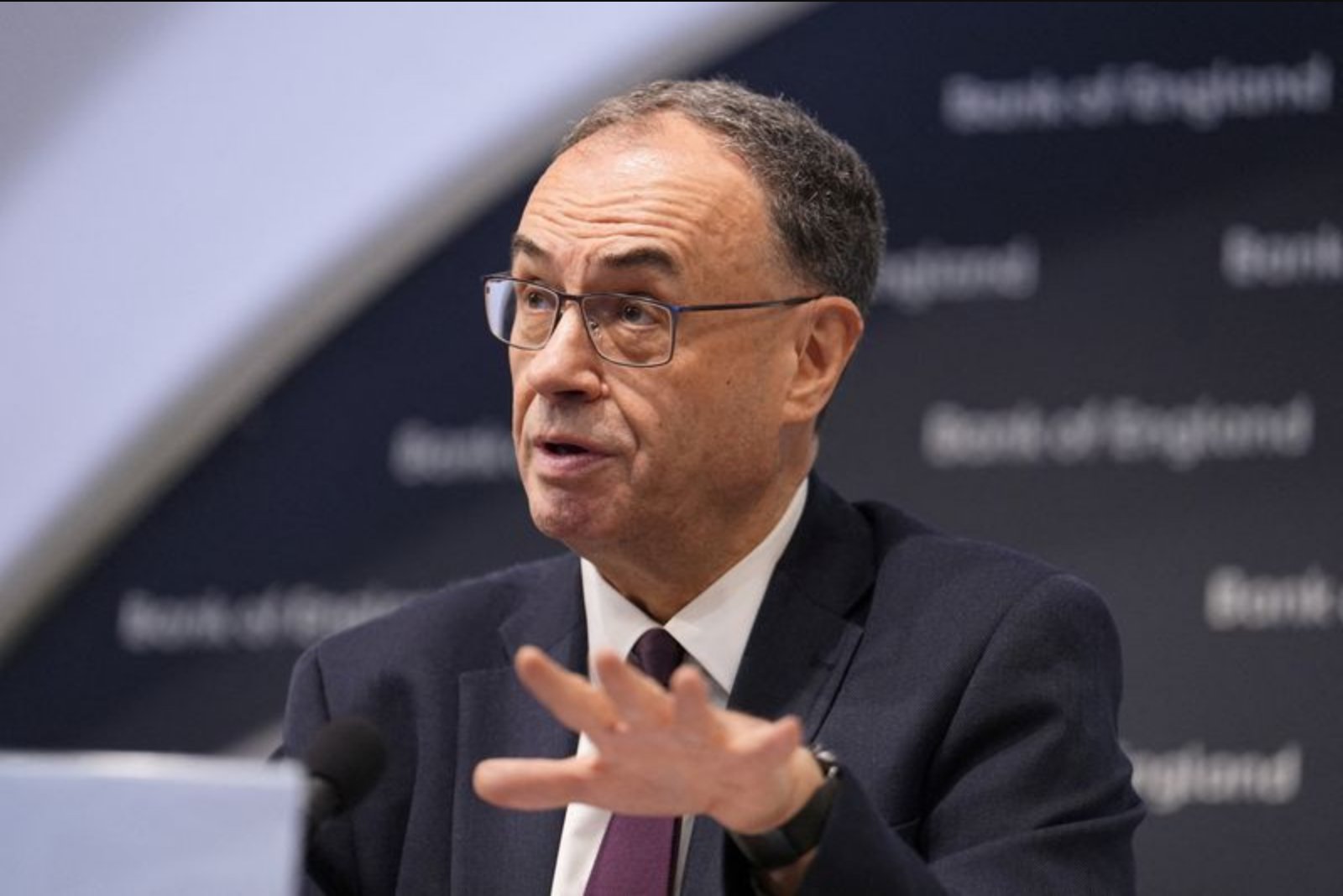
LONDON, Jan 27 - Bank of England Governor Andrew Bailey said there is "a particular and urgent need" to boost the global resilience of market-based finance, specifically naming private credit as an area vulnerable to economic shocks.
In an article published on Tuesday by The Banker, an industry magazine, Bailey described the sector as "very large and fast-growing," noting that its disparate nature and opacity in important areas make international interlinkages complex and often hard to monitor.
In December, the Bank of England initiated what it describes as a stress test of the private equity and private credit industries. The BoE expects the exercise to report back early next year. The test is designed to examine wider consequences for the economy rather than the financial condition of individual firms - the majority of which the Bank does not directly regulate in the way it regulates banks.
Bailey reiterated a position he has voiced before: that there is "no trade-off between stability and growth." He emphasized that improved resilience of the banking system is not a reason for complacency. "Just because the banking system is in a far more resilient position now than in the past is no reason to rest on our laurels," he wrote. He added that the current challenge is to manage risks that lie outside the banking perimeter and to identify and understand new interconnections between banks and non-banks.
The governor's intervention comes against a backdrop of debate over regulation. Last year, finance minister Rachel Reeves characterised regulation as a "boot on the neck" of British businesses. At the same time, the administration of President Donald Trump is reported to be considering a relaxation of capital rules for banks.
In December, the Bank of England reduced some capital requirements for banks for the first time since the global financial crisis. The BoE said it justified that easing on the grounds that other rules have become tougher and that British banks are smaller players on the global stage.
The stress test of private equity and private credit is aimed at revealing how shocks in market-based finance could propagate through the broader economy, rather than assessing individual firm solvency. The Bank's focus on system-wide interconnections reflects concern about opaque links between regulated banks and non-bank financial actors.
Summary
Bank of England Governor Andrew Bailey called for urgent action to strengthen the resilience of market-based finance, citing private credit as a growing and opaque area. The BoE launched a stress test in December of the private equity and private credit sectors, with results due early next year, and stressed that improved bank resilience should not lead to complacency about risks beyond the banking perimeter.