
Stock Markets February 11, 2026 07:36 PM

Boeing Reports Marked Improvement in Supplier Quality, Cites Lower Rework Hours

Senior supply-chain executive says defects have fallen and Spirit AeroSystems quality has improved after closer oversight

By Priya Menon

Boeing said it has cut the hours spent fixing supply-chain problems by 40% compared with 2024 and that defects at Spirit AeroSystems have declined by 60% since stepped-up inspections in 2024. The comments were made at a Pacific Northwest Aerospace Alliance supplier conference outside Seattle, where Boeing’s senior vice president for global supply chain and fabrication highlighted gains after years of supplier-related production challenges.

Boeing Reports Marked Improvement in Supplier Quality, Cites Lower Rework Hours

Key Points

  • Boeing spends 40% fewer hours fixing supply-chain problems now compared with 2024, according to Ihssane Mounir.
  • Defects from Spirit AeroSystems have fallen by 60% since Boeing increased inspections at the supplier in 2024.
  • Boeing repurchased Wichita-based Spirit AeroSystems in December, bringing the supplier back under Boeing's ownership; Spirit was originally created in 2005 when Boeing sold parts of its aerostructures production business.

LYNNWOOD, Washington, Feb 11 - Boeing told suppliers on Wednesday that the company has recorded substantial improvements in the quality of parts coming from its commercial airplane supply chain over the past two years.

Ihssane Mounir, Boeing senior vice president for global supply chain and fabrication, addressed attendees at the Pacific Northwest Aerospace Alliance (PNAA) supplier conference outside Seattle and said the planemaker now spends 40% fewer hours correcting issues originating in its supplier base compared with 2024.

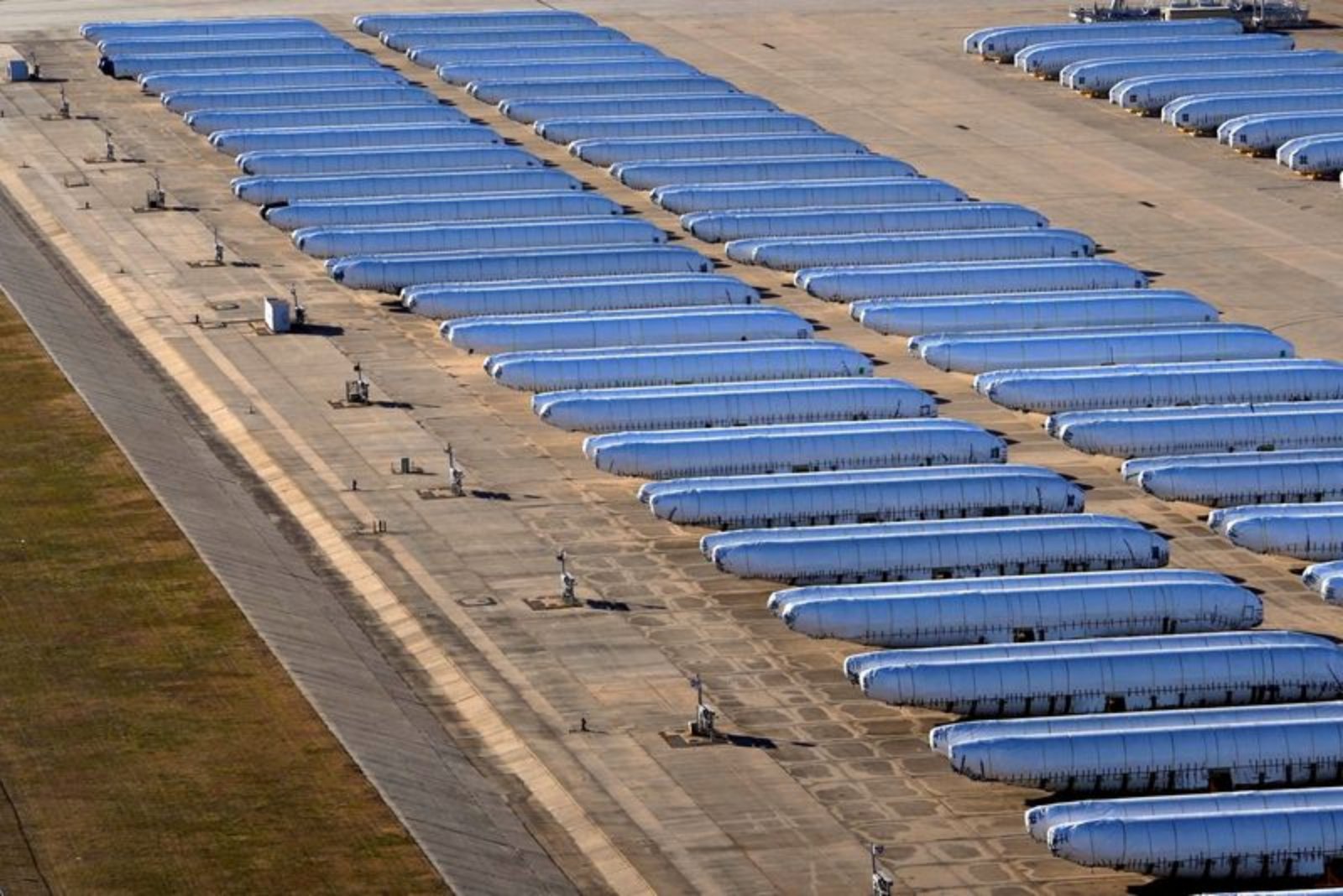
Mounir pointed to specific gains at Spirit AeroSystems, the supplier that produces fuselages for the 737 and structures for other Boeing models. He said defects from Spirit have declined by 60% since Boeing increased quality-control inspections at that supplier in 2024.

The Spirit unit had been at the centre of a high-profile safety incident when a 737 MAX door plug it had made and installed blew out midair on an Alaska Airlines flight in early 2024. That event prompted the Federal Aviation Administration to impose production caps on Boeing.

In December, Boeing repurchased Spirit AeroSystems, which is based in Wichita, Kansas, giving the aircraft maker more direct control over that stage of its supply chain. Spirit was originally formed in 2005 when Boeing sold parts of its aerostructures production business to investors.

Mounir described Spirit’s return to Boeing’s ownership in personal terms, saying: "coming back into family was probably the best thing that’s happened in my career." He also linked the supplier-quality issues at Spirit and other vendors to the broader difficulty Boeing faced in restarting jetliner production after the COVID-19 pandemic.

The improvements Mounir described focused on reduced rework time and lower defect rates rather than on other operational metrics. He attributed the 60% fall in defects at Spirit specifically to the heightened inspections introduced in 2024, and he framed the repurchase as increasing Boeing’s ability to manage those supplier quality challenges directly.


Summary of the situation - Boeing reports large reductions in supplier-originating rework hours and a sharp fall in defects at Spirit AeroSystems following enhanced inspections and Boeing's acquisition of the supplier.

Risks

  • Past supplier defects - Quality issues at Spirit and other suppliers previously hampered Boeing’s ability to restart jetliner production after the COVID-19 pandemic, indicating lingering operational risk in production recovery.
  • Regulatory consequences - A 2024 incident involving a Spirit-made 737 MAX door plug that blew out midair led the Federal Aviation Administration to impose production caps on Boeing, demonstrating that supplier failures can prompt regulatory action.
  • Dependency on inspection measures - The reported 60% decline in Spirit defects is tied to increased inspections implemented in 2024, suggesting continued reliance on oversight actions to maintain improvements.

More from Stock Markets

Red Cat Holdings Sees After-Hours Slide Following $200 Million Equity Offering Announcement May 12, 2026 FCC Signs Off on EchoStar’s $40 Billion Spectrum Sale to SpaceX and AT&T May 12, 2026 TrueBlue Shares Rise After HireQuest Offers $105M for PeopleReady On-Demand Unit May 12, 2026 U.S. Equities Finish Mixed as Healthcare, Telecoms and Energy Outperform; Tech and Industrials Slip May 12, 2026 Bovespa Ends Lower as Utilities, Industrials Drag Stocks to One-Month Low May 12, 2026