
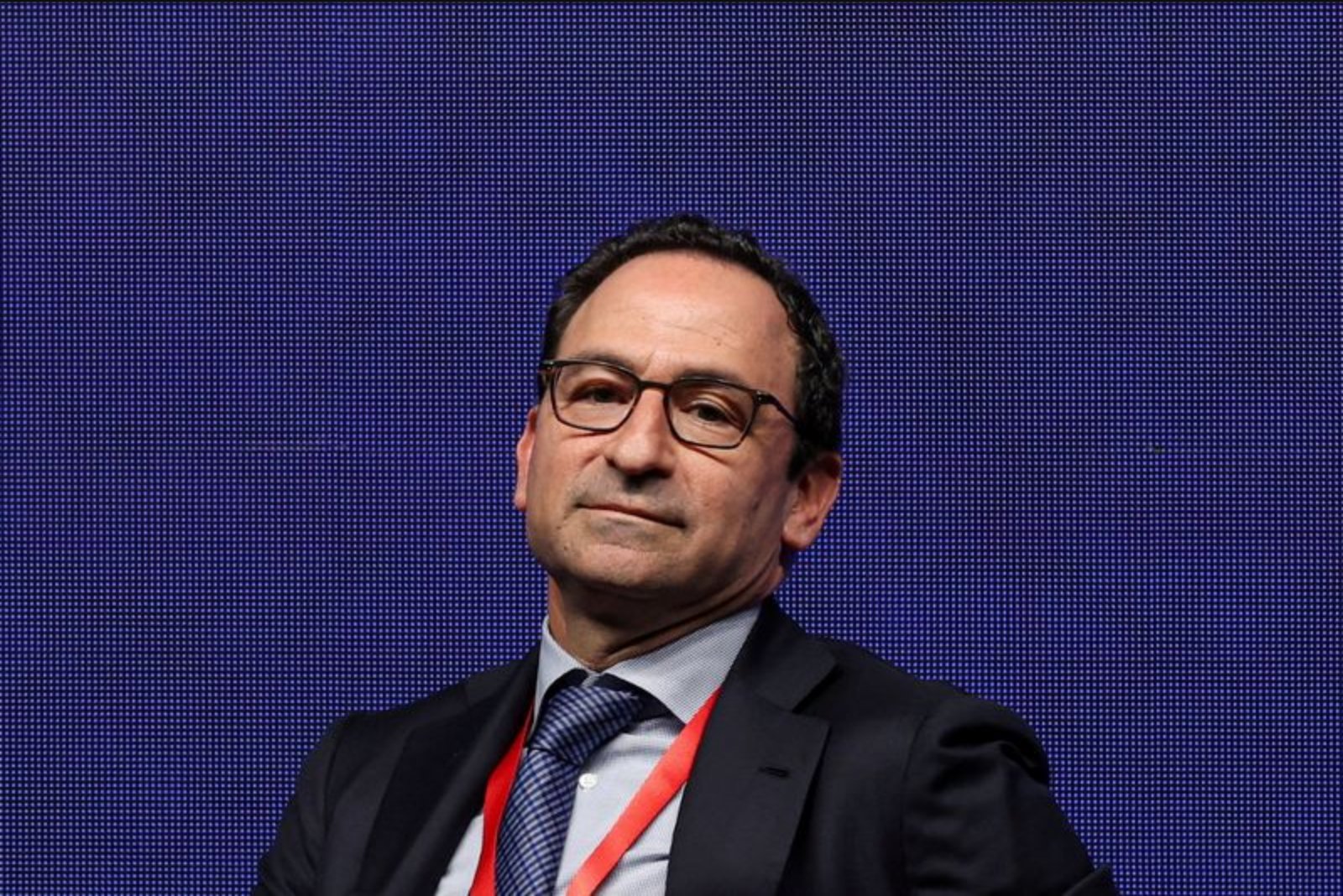
Speaking at the WSJ Invest Live event in West Palm Beach, Florida, Jon Gray, president and chief operating officer of Blackstone, said the prospect of business disruption from artificial intelligence is "top of the page" for the firm.
Gray told the conference audience that Blackstone is treating AI considerations as a near-universal factor across its investments. "You want to be thinking about this in almost everything you’re doing now," he said, framing AI as a cross-cutting development that requires active attention from investors and managers.
Blackstone, which manages assets totaling $1.27 trillion across numerous sectors globally, does not view all holdings as equally exposed. Gray noted that some real-world businesses in the portfolio, specifically sandwich shops and apartment complexes, are "less at risk" from AI-driven change.
By contrast, Gray pointed to examples where AI developments raise more fundamental questions. He cited a case of an insurance company lowering rates for customers who use self-driving cars, and said that type of shift prompts secondary considerations: "You start to say, well, what does that mean for collision repair? What does that mean for auto insurance? What’s going to happen to all sorts of rules-based businesses?"
Responding to the AI megatrend, Blackstone has directed significant capital to the infrastructure that supports AI applications. Gray highlighted investments in data center operator QTS, which contributed to fund growth in the prior year, as well as investments in power generation and transmission. He also noted the firm agreed to buy U.S. utility TXNM for $11.5 billion last year.
On strategy, Gray recommended a focus on so-called "picks and shovels" plays as the more conservative way to engage with AI. "You don’t necessarily have to know who the winners and losers are going to be," he said, explaining that data centers, autonomous vehicles, and robots will all draw on electrical and digital infrastructure: "They are all going to plug into the wall and there’s going to be a lot of need for digital infrastructure."
At the same time, Blackstone is investing directly in companies developing large language models and software that applies AI technologies. Gray acknowledged that these direct software investments "are obviously riskier," while also expressing the view that they could create substantial value.
The remarks underscore Blackstone’s dual approach: pursue infrastructure assets that form the backbone of AI deployment, while also taking targeted, higher-risk positions in AI software where upside potential exists.