
Overview
Berkeley Group Holdings announced on Wednesday that it will cease new land purchases and re-schedule its medium-term strategy to cover the period through April 2030. The developer attributed the change to geopolitical instability, a weakening economic outlook and regulatory changes that have lengthened construction timetables by roughly 12 months.
Financial targets and guidance
Under the revised plan, Berkeley now expects cumulative pre-tax profit of more than over the four years to April 2030, with the bulk of that profit anticipated to be realised in the later years of the period. This replaces earlier guidance that had signalled pre-tax profit around for both FY26 and FY27.
Land acquisition pause and pipeline focus
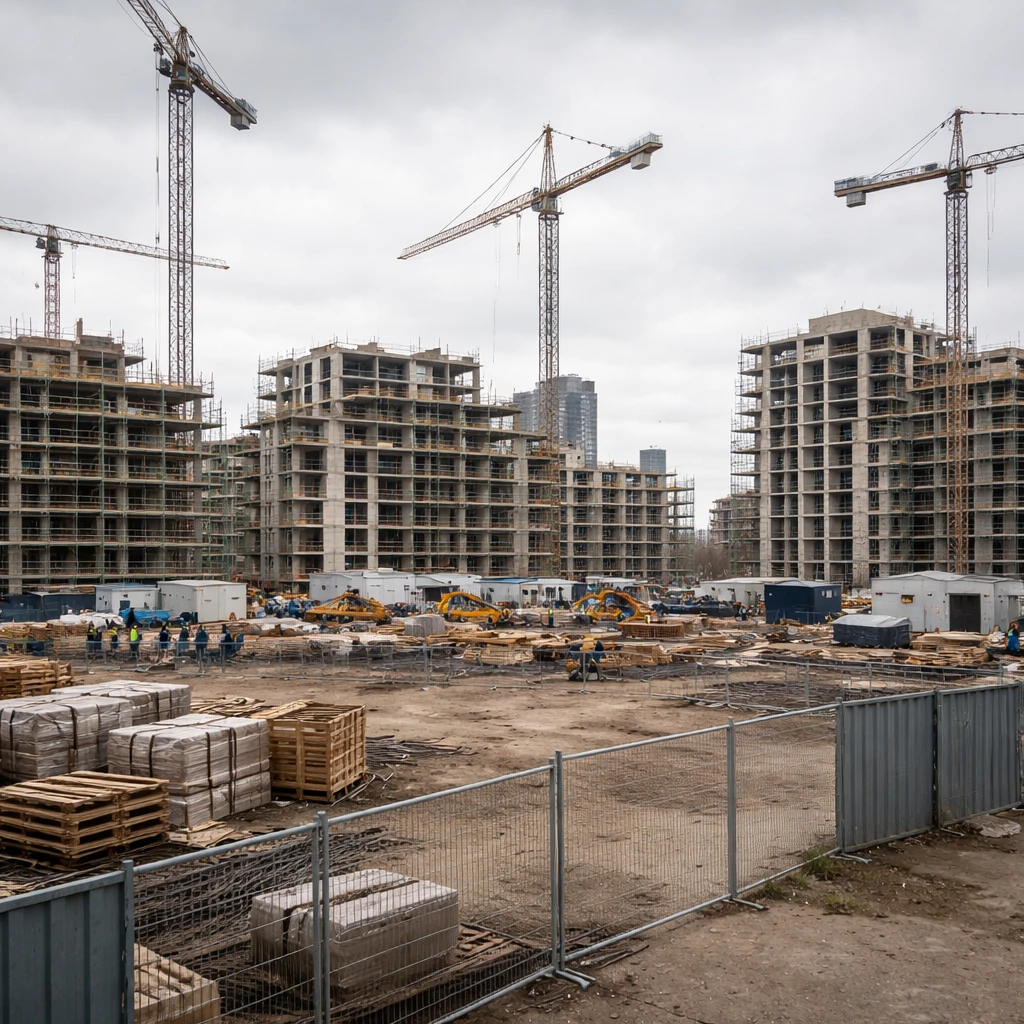
The company said it will not acquire any new land while current market conditions persist. It pointed to higher taxes on residential development - taxes it says other land uses do not face - and said these levies have kept land prices high, even as transactions in the residential market have declined. Berkeley intends to concentrate on its existing development pipeline, which comprises more than 10,000 homes in London and the South East.
Impact of regulatory change and construction timing
Berkeley attributed an additional delay of about 12 months between planning approval and starting work on site to the Building Safety Regulator's new gateway process. The company highlighted that new home starts in London are currently below 10% of the Ministry of Housing, Communities and Local Government's target.
Recent market signal and revised outlook
Management said it had observed signs of a modest recovery in the first two months of 2026, but it warned that recent geopolitical events and their macroeconomic consequences - including a reduced potential for further interest-rate cuts - could weaken confidence in a near-term market rebound. The company described that risk as one that has "become a reality."
Balance sheet moves and cost reductions
To shore up the balance sheet, Berkeley reduced its land creditors from to approximately approximately and reduced operating costs by around 25% in real terms. It reiterated targets of operating margins within its historic 17% to 21% range and return on capital employed above 15% by FY30, with intermediate years expected to deliver returns of 11% to 15%. The company said it will maintain net cash.
Shareholder returns and build-to-rent commitments
Berkeley reported that it has delivered of a planned programme, made up of and since September 2025, and said it remains on course to complete the full programme by September 2030. While the company said it prefers share buybacks while its share price trades below net asset value per share, it did not alter the plan's timetable.
Berkeley also noted progress on its Berkeley Living build-to-rent pipeline. The first six buildings - representing roughly at cost - were described as well advanced. The group reiterated its commitment to a 4,000-home build-to-rent objective while it reviews the phasing of later tranches.
Management view
Responding to the changes, Berkeley said: "We believe that it is in the best interests of shareholders to adapt our approach in this way, rather than pursue short-term profit targets."
Implications
The company is prioritising balance-sheet strength and execution of its existing London and South East pipeline over acquiring new land. It has implemented cost reductions and reduced certain creditor exposures while preserving a programme of shareholder returns and maintaining targets for margins and returns to investors over the extended planning horizon to April 2030.