
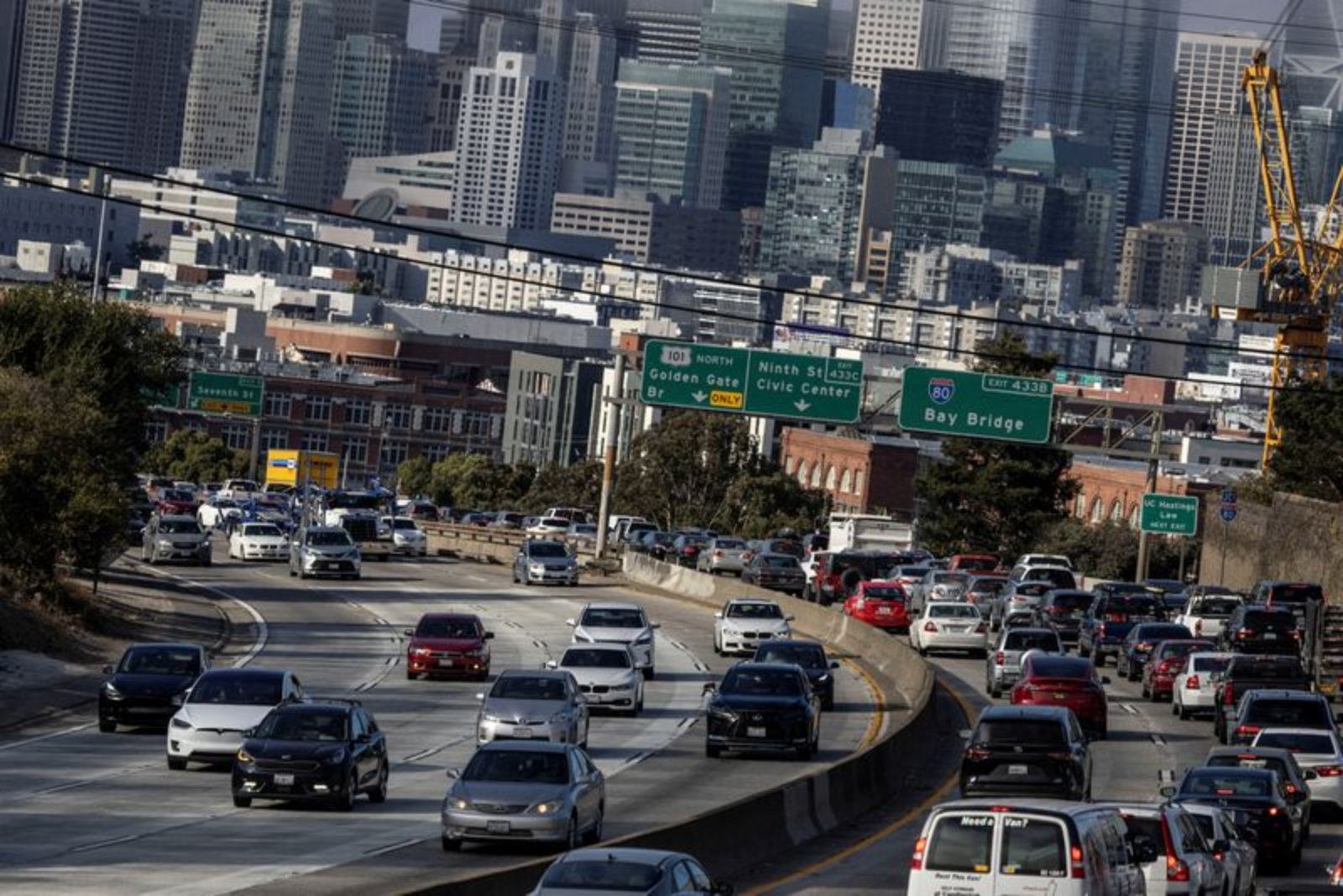
Major U.S. and global automakers signaled conditional backing for the Trump administration’s proposed overhaul of federal fuel economy rules, endorsing the plan to markedly reduce regulatory stringency but asking federal regulators to retain several compliance mechanisms.
The Alliance for Automotive Innovation - the trade group that includes General Motors, Toyota Motor, Volkswagen, Hyundai, Ford and other manufacturers - said it supports the National Highway Traffic Safety Administration’s (NHTSA) move to lower the efficiency targets. At the same time, the Alliance urged NHTSA not to eliminate the ability of automakers to trade credits to meet regulatory obligations and to rethink plans that would reclassify a broader set of vehicles as cars instead of trucks.
"Given the slowing growth of EV sales in the U.S. and reduced government policy support, the previously issued CAFE standards are simply unachievable," the group said.
NHTSA’s proposal includes several substantive changes to how compliance would work. The agency is proposing to remove credit trading among automakers beginning in 2028, and to end some credits tied to fuel-saving features. Another element of the proposal would reclassify many vehicles as cars rather than trucks - a distinction that matters because cars are subject to tighter standards than trucks.
Under the proposal, NHTSA would revise downward the fuel economy standards that had been set in 2022 and then set modest annual increases thereafter - ranging from 0.25% to 0.5% a year through 2031. That contrasts with the 2022 standards enacted under the previous administration, which called for fuel efficiency to rise by 8% annually for model years 2024-2025 and by 10% for 2026.
Biden-era rules had aimed to encourage automakers to produce a growing share of electric vehicles to comply, though they did not require an immediate end to gasoline-powered cars.
NHTSA has provided estimates of the proposal’s impacts: it says the rule would lower average up-front vehicle costs by $930 while increasing fuel consumption by about 100 billion gallons through 2050. The agency also projects the change could raise fuel expenditures for Americans by as much as $185 billion and increase carbon dioxide emissions by roughly 5%.
The Alliance asked NHTSA to continue allowing credits for technologies such as improved air conditioning efficiency and other measures that save fuel, arguing for a regulatory approach that preserves flexibility for manufacturers as they respond to shifting sales trends and policy signals.
Contextual note: The public record also included promotional material asking whether General Motors is currently undervalued and describing a fair value calculator that uses 17 valuation models; that material was presented separately from the regulatory comments and NHTSA estimates.