
The Australian Retirement Trust (ART), which manages A$350 billion (US$240.42 billion), has increased its allocations to global equities and to British and Australian bonds in the last month, stepping up trading to exploit price dislocations created by volatility linked to the Iran war.
Jimmy Louca, a senior portfolio manager at ART, said the fund is executing more direct market trades than it typically does. ART operates a dynamic asset allocation framework, with the ability to buy and sell assets via its internal trading desk. Under normal conditions the desk tends to trade on a weekly basis, adjusting positions as relative valuations shift across assets and countries. Louca said the current environment has changed that cadence.
"Whereas in something like this, we’re trading almost every day, and this drawdown is still early and still going ... If (the decline) picks up we will pick up our activity to take advantage of cheaper assets," he said in an interview.
Australia’s superannuation sector has grown into a major global investor pool, with roughly A$4.5 trillion of assets under management across the industry. An increasing share of that capital is being deployed offshore, and ART’s recent moves illustrate the type of active repositioning some large funds are undertaking as markets react to geopolitical shocks.
Louca said ART has raised its overall equity holdings over the past month, but with a selective focus. The fund has increased exposure more heavily in markets that experienced larger drawdowns amid the crisis - in particular economies that are net energy importers. According to Louca, these markets may offer the most attractive entry points and could produce the most significant rebounds once a resolution occurs.
Specifically, ART has added to positions in Japan and across Europe. Within these regions the fund says it has a preference for Japanese financial stocks and for companies in the European defence sector.
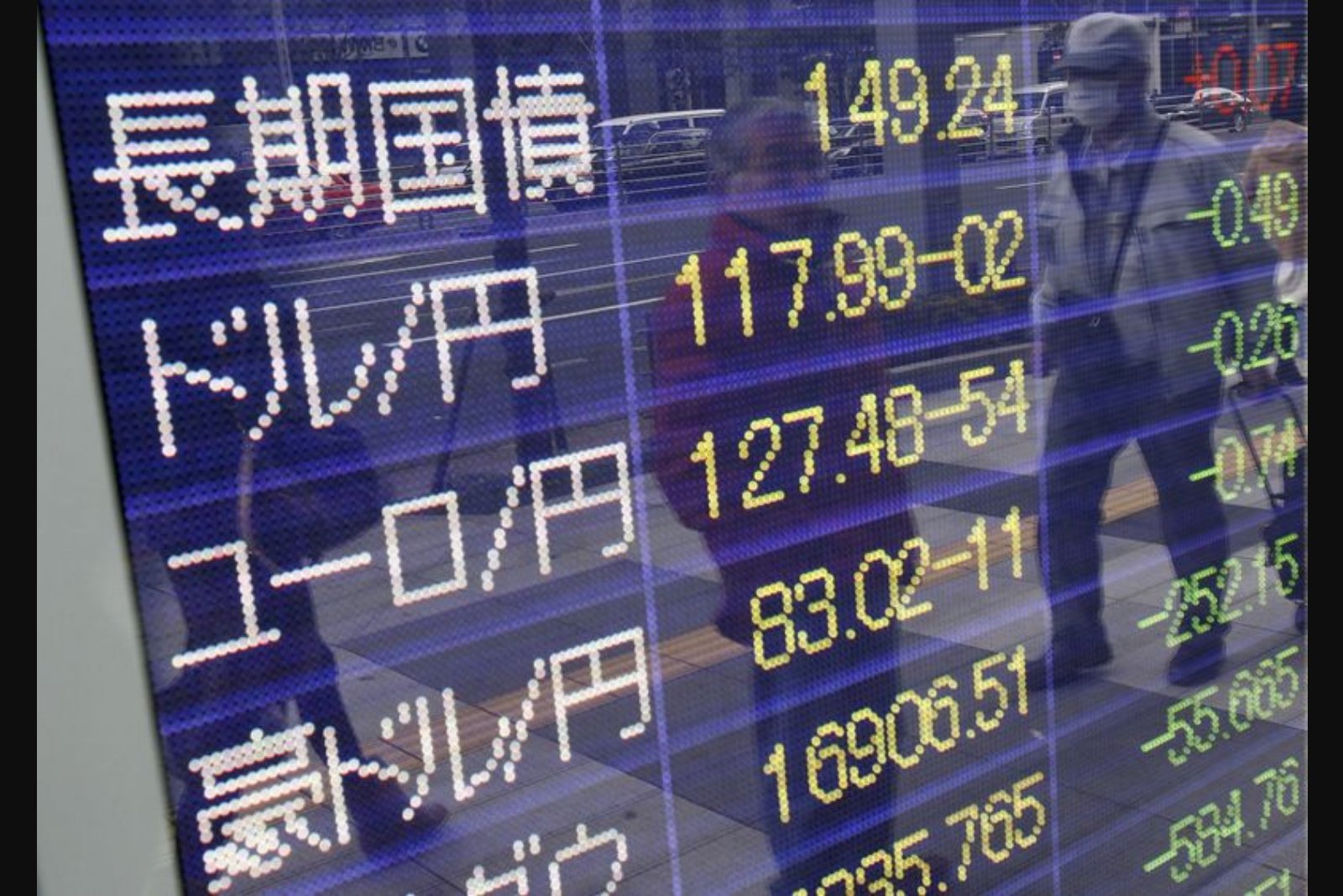
The market moves have coincided with sharp index-level declines. Japan’s Nikkei is on track to record a roughly 12% loss through March, a drop that the fund notes is its largest since 2008. In Australia, a sell-off in mining equities has been a key driver of weakness in the benchmark S&P/ASX 200, which has fallen about 8.2% and is moving toward its largest monthly decline since 2022.
Beyond equities, ART has also increased its allocations to British and Australian fixed income. Yields in those markets have risen as investors reassess expectations for future interest rate moves amid forecasts of a potential inflation spike tied to the Iran war. Britain’s gilt market has registered heavy losses this month, described as the deepest since 2022, and two-year gilt yields are up roughly 96 basis points since the conflict began as markets price in the prospect of higher policy rates.
On performance, ART reported a 9.6% annual return in its balanced fund to the most recent reporting period, outperforming the sector average rise of 8.8% to December, according to SuperRatings.
Currency guidance: US dollar conversions in this report use the rate $1 = 1.4558 Australian dollars.
Contextual note: The fund’s statements emphasize active, tactical reallocation across geographies and asset classes in response to heightened volatility. ART’s shift toward markets hit hardest by the crisis, and toward specific sectors such as Japanese financials and European defence, reflects a strategy of seeking value where prices have been most affected. At the same time, heavier trading frequency and added bond exposure underscore the fund’s view that dislocations in both equity and fixed income markets are presenting opportunities for long-term portfolios.