
Asian manufacturers and retailers are confronting a widening supply shock after a recent escalation of conflict around Iran interrupted flows of crude and oil-based feedstocks. The acute effect is being felt in oil derivatives such as naphtha - a key input for petrochemical refineries that produce the plastics and synthetic rubbers used in packaging, containers and a wide range of consumer and industrial goods.
At the factory level the consequences are already tangible. A manager at a long-standing South Korean plastic-film plant, which supplies agricultural sheeting and components for televisions, said suppliers have either run out of material or raised prices by as much as 50% on some raw inputs. Production has been scaled back sharply, the manager said, leaving the business operating at roughly 20% to 30% of normal output and warning that the coming one to two weeks would be critical for operations.
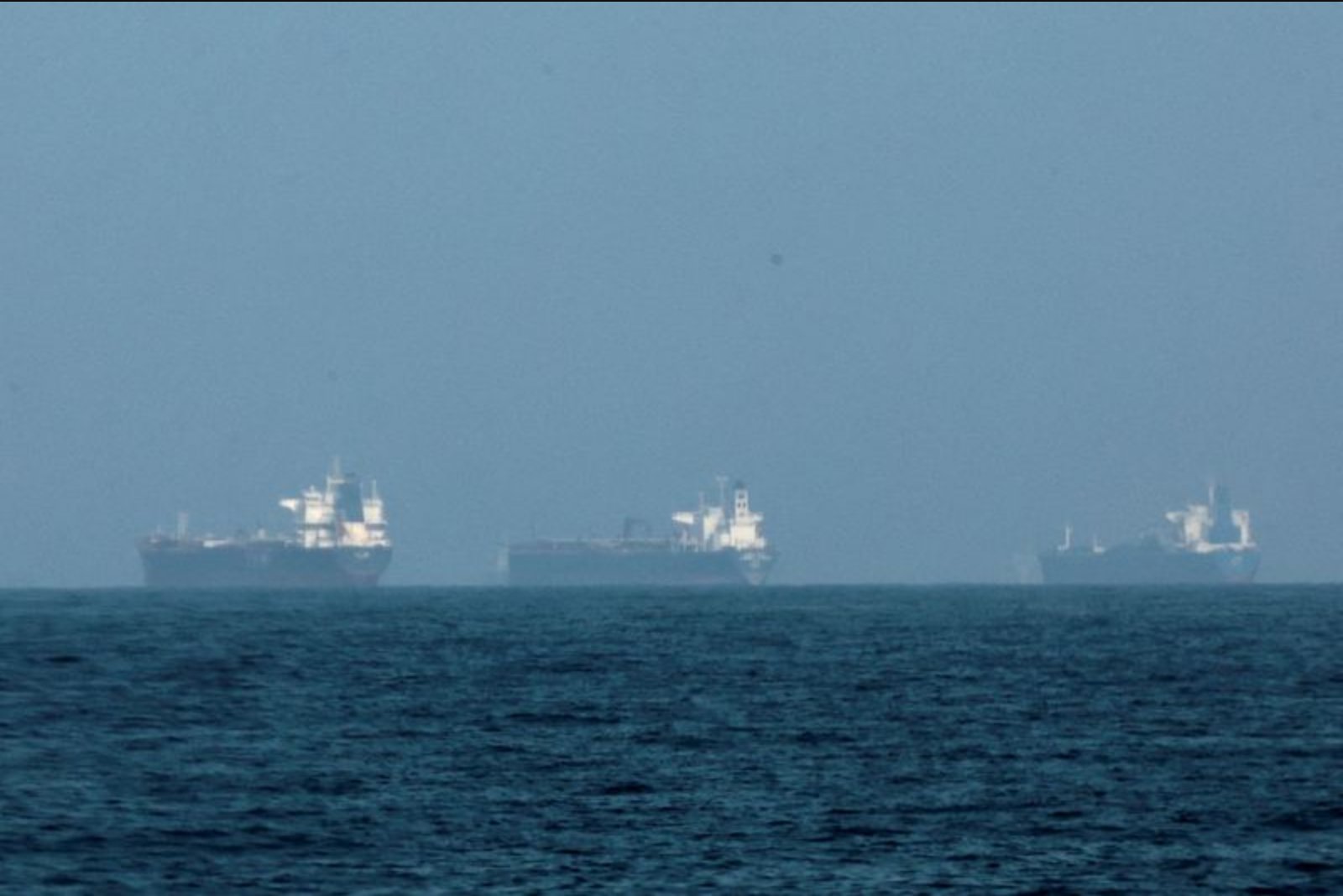
The geographic choke point behind much of this disruption is the Strait of Hormuz, the narrow shipping lane off Iran’s southern coast through which a substantial portion of the world’s oil and liquefied natural gas normally transits. Asia’s heavy reliance on Middle Eastern crude, fuel and fertiliser has left the region particularly exposed to interruptions in that route.
Industry participants described immediate shortages in crude derivatives that underpin plastic resin production. Naphtha, broadly sourced from Gulf supplies and processed in Asian refineries to make plastics like PET and other petrochemicals, has seen sharp price moves and constrained availability. Those changes are cascading through supply chains into finished goods and packaging.
Food manufacturers are flagging risks to packaging and cost profiles. One South Korean food company known for a popular spicy instant ramen brand warned that a prolonged conflict could cause shortages of packaging materials and raise costs. Instant noodles, which are commonly sold in plastic-wrapped packets, cups or bowls, rely heavily on PET - a widely used plastic also critical for packaging items across food and personal-care categories.
A rival ramen maker reported it held two to three months of packaging inventory and was preparing for the risk that the conflict - which began with U.S.-Israeli strikes on Iran on February 28 - might continue. That firm’s comment highlights how companies with different inventory strategies are sizing potential disruption horizons and adjusting accordingly.
Producers of packaging and cosmetic containers are likewise scrambling. A maker of pots for skincare and beauty brands said it was racing to secure plastic resin supplies but had limited visibility on material availability beyond June. The company official said the problem was not merely rising prices - when resin is unavailable, production of containers stops and goods cannot be sold even if demand exists.
Across broader manufacturing, shortages are prompting firms to consider alternative materials or to pass costs on to buyers. For items that use synthetic rubber - such as tyres and gloves - constrained naphtha availability is reducing feedstock production, forcing some manufacturers to contemplate switching to natural rubber or to raise prices. An industry analyst cited an expected fall in China’s synthetic rubber output in April as a response to the war-driven feedstock shortfall.
Tyre manufacturers reported mobilising supply-chain teams and adjusting deliveries to meet contractual obligations as best they can, while other firms from bottled-water sellers to brewers indicated rising packaging costs and potential supply interruptions. In India, for instance, firms have already noticed higher prices in bottled water driven by the cost of plastic bottles and caps, and international brewers operating there have warned of potential price hikes and supply issues due to gas shortages.
The ripple effects extend beyond packaged goods. Higher crude prices have lifted retail fuel costs across petrol, diesel and aviation fuel, increasing operating expenses for transport-dependent businesses and adding pressure to manufacturing and logistics costs. The combination of rising input costs and limited feedstock availability has begun to affect quoting and pricing decisions in export-oriented manufacturing hubs.
In southern China’s manufacturing region serving global retailers, a toy maker supplying major U.S. chains reported that soaring raw-material costs were already influencing pricing for new quotes. The company said the situation in Iran was materially affecting its sector, and that they expected to reflect higher input costs when pricing new products.
Retail and consumer-facing businesses are reporting early signs of panic buying and hoarding. Supermarkets in parts of South Korea limited purchase quantities after running short of items such as bin bags, which consumers identified as vulnerable to plastic-price inflation. One 24-year-old student described buying multiple packs of rubbish bags and instant noodles because he expected the cost of plastic packaging to be a major driver of future price increases.
Smaller suppliers and procurement intermediaries also described a market in which supply availability is often more critical than price. A sourcing executive said resin and other petroleum-derived material prices have jumped sharply - citing a 35% rise in expandable polystyrene from one supplier - yet customers continued to buy large volumes, prioritising supply over cost argument.
Other sectors are contending with related constraints. Department store operators warned that if the disruption continues, price rises and supply shortages could spill into clothing and household appliances. Snack producers temporarily halted production when they lost access to heavy oil used in boilers for frying, illustrating how even niche inputs can cascade into immediate production halts.
Companies are adopting a mix of contingency measures - from stockpiling and extending inventory to adjusting production and delaying or altering new-product quoting. But multiple firms emphasised the limitations of those measures: stockpiles can bridge only so far, and beyond a certain point visibility on supply - particularly into the summer months - remains poor.
Market participants described an environment where the availability of petrochemical feedstocks, rather than the headline price, has become the limiting factor for many manufacturers and packagers. That dynamic constrains the ability of firms to meet demand even if consumers are willing to pay higher prices.
For corporate procurement and operations teams, the current shock is forcing a re-evaluation of near-term production rates and working-capital needs. Firms with shorter inventory cover are exposed to immediate stoppages, while those with more buffer face the trade-off of tying up capital in higher-cost inventory.
How long these pressures persist will determine whether the current impacts remain episodic - leading mostly to short-term price moves and temporary production adjustments - or evolve into a more sustained cost and supply shock that forces wider structural changes in sourcing and material substitution. For now, companies across Asia acknowledge they are operating in a period of heightened uncertainty and constrained options.
Key points
- Disruption to crude and oil-derivative shipments through the Strait of Hormuz has sharply reduced supply of naphtha and other petrochemical feedstocks that underpin plastics and synthetic rubbers.
- Shortages and price spikes are hitting packaging-dependent sectors first - including instant noodles, bottled water, cosmetics, and snack manufacturers - and are forcing production cuts, stockpiling and price adjustments across manufacturing.
- Higher crude prices are raising fuel and operating costs for transport, airlines and logistics, amplifying the economic impact beyond direct inputs into plastics and rubber.
Risks and uncertainties
- Prolonged conflict could deepen shortages of packaging resins and plastic containers, disrupting sales for food and personal-care companies that rely on PET and other plastics - sectors at immediate risk include packaged food, cosmetics and personal-care products.
- Persistent feedstock scarcity may force manufacturers of synthetic-rubber products such as tyres and gloves to raise prices or seek material substitutions - automotive suppliers and medical glove producers face direct supply and cost risks.
- Limited visibility on material availability beyond the next few months increases operational uncertainty for producers with low inventory cover, raising working-capital strain and production planning risks for exporters and contract manufacturers.
No disclosures.