
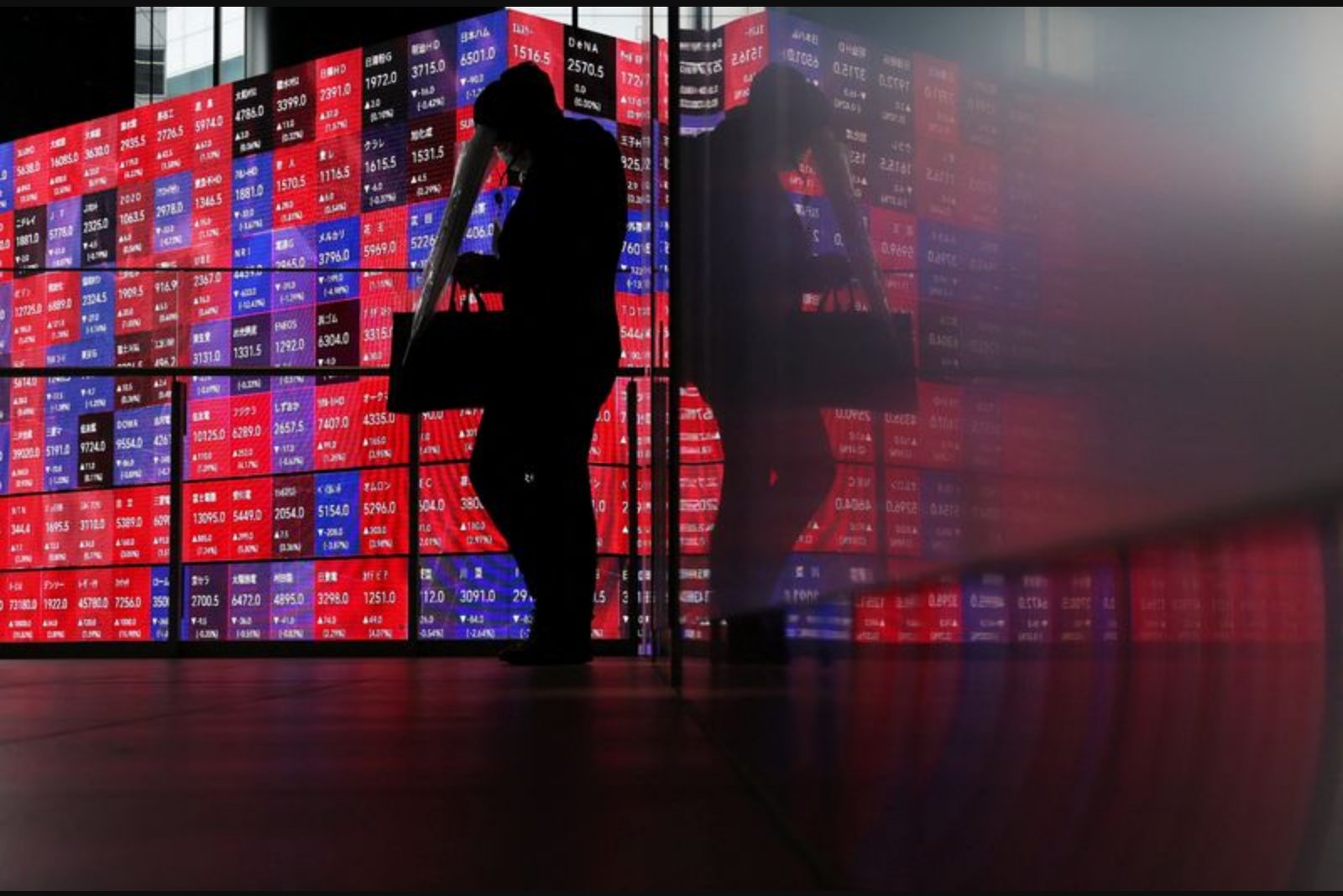
Asian share futures softened on Monday while the dollar drew modest support, after signs that negotiations between the United States and Iran had reached an impasse left the strategic Strait of Hormuz all but closed and pushed oil prices upward.
President Donald Trump on Sunday rejected Iran’s response to a U.S. proposal for peace talks to end the war, saying Tehran’s demands were "totally unacceptable." Iranian media reported that a plan sent to the U.S. stressed the need for an end to the war on all fronts, the lifting of sanctions on Tehran, reparations and a recognition of Iran’s control of the Strait.
Markets reacted to those developments with a pickup in energy prices and a cautious tone among risk assets. Brent crude futures jumped 2.8% in early trade to $104.06 a barrel, while U.S. crude gained 2.7% to $97.97 a barrel.
Macro and market commentary
Bruce Kasman, global head of economics at JPMorgan, noted the duration of the conflict and its market consequences: "The conflict in the Middle East is now entering its 11th week," he said. "Energy prices have surged but remain at levels that are headwinds rather than expansion-ending obstacles." He added that "The risk of a sharper move rises with each week the Strait of Hormuz stays closed, and our commodities team sees operational stress levels starting sometime in June." The comments underline how prolonged disruption to flows through the Strait could elevate strains in commodity supply chains.
In currency markets, the dollar found demand as a liquidity store during the geopolitical risk episode. The greenback edged up 0.2% on the Japanese yen to 156.88 yen, while the euro fell 0.2% to $1.1760. Japan is placing hope in a hawkish pivot at the Bank of Japan and an endorsement from U.S. Treasury Secretary Scott Bessent as factors that could give potential yen-buying intervention more influence in stemming the currency’s slide.
Equities and earnings flow
U.S. equity futures reflected a pullback from last week’s record highs. S&P 500 futures were down about 0.3% and Nasdaq futures eased roughly 0.2%. Shares had been buoyed last week by a mix of upbeat corporate earnings and a solid payrolls report.
Investors are set to digest further corporate reports this week, including tech networking equipment firm Cisco and semiconductor equipment maker Applied Materials. Larger names such as Nvidia and Walmart are scheduled to report later in the month.
Japan’s stock market appeared to be catching up to Friday’s stronger performance on Wall Street: futures were trading at 63,475 against a cash close of 62,713.
Commodities and safe havens
Despite the escalation in geopolitical risk and higher oil, gold saw limited safe-haven flow and slipped 0.5% to $4,690 an ounce.
Geopolitical calendar and diplomatic ties
The Gulf situation will also figure on the agenda when President Trump visits China starting Wednesday for face-to-face talks with Chinese President Xi Jinping, their first in more than six months. The two leaders are expected to cover trade, Taiwan, artificial intelligence and nuclear weapons, and they will consider whether to extend a critical minerals deal.
Overall, markets were navigating the competing forces of rising energy prices tied to persistent Gulf tensions and supportive corporate newsflow that had earlier pushed indices to records. How long flows through the Strait remain restricted and whether operational stress materializes in commodity markets will be watched closely into June.