
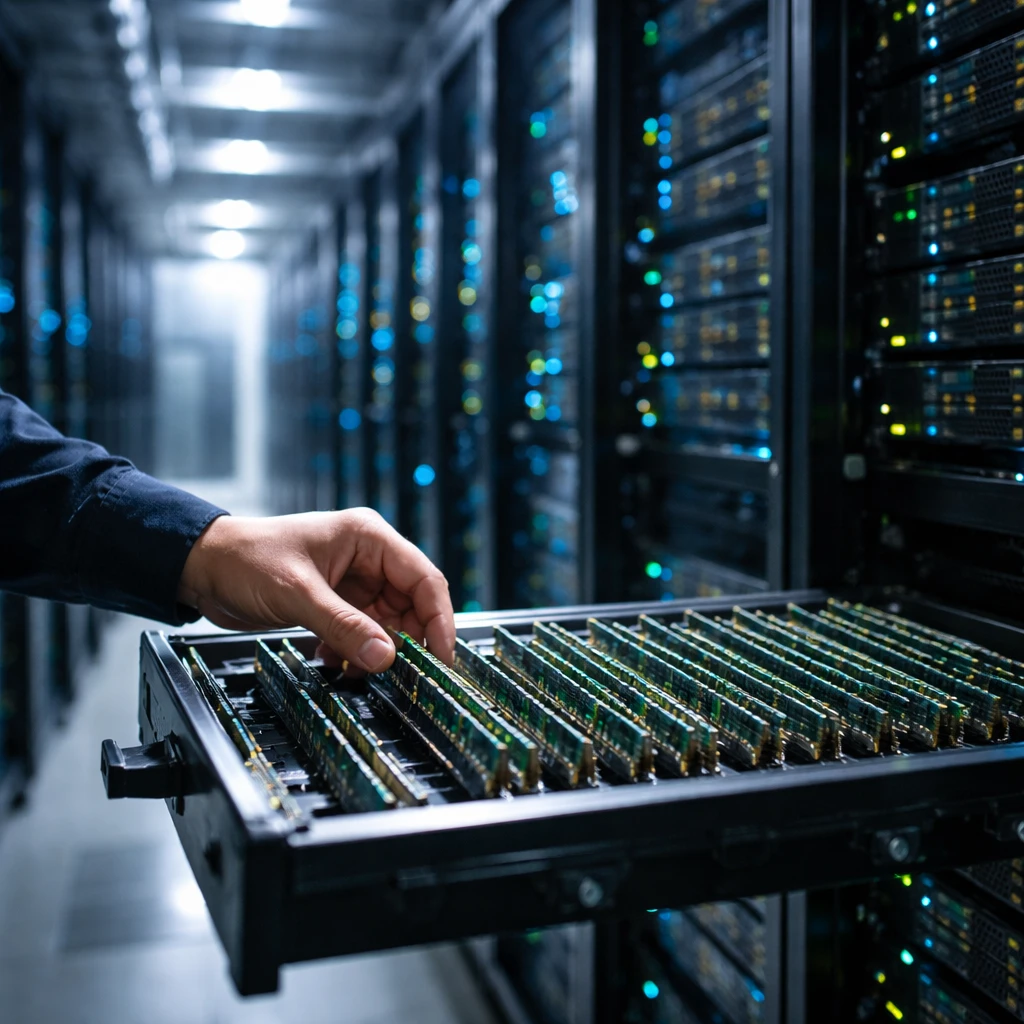
Apple is expected to face higher LPDDR memory prices in the first quarter of 2026, according to TF International Securities analyst Ming-Chi Kuo, who has corroborated recent reporting on memory cost pressures impacting iPhone production.
Kuo said the projected increases for LPDDR align with his information, although he noted that reported price moves for NAND flash memory appear somewhat larger in some news items than what his checks indicate. A notable shift in negotiation timing is also in play: iPhone memory pricing has moved from semi-annual contracts to quarterly talks, a change that Kuo warned makes an additional round of increases likely for the second quarter of 2026, with similar quarter-over-quarter growth expected.
The backdrop for these price dynamics is tight supply driven by demand for AI servers. Kuo stressed Apple’s privileged position when it comes to access to constrained components, arguing that "even if you’re willing to pay up, there’s no guarantee you’ll get the supply" for most non-AI brands. He described Apple as being able to secure memory allocations that others may not, underscoring the company’s leverage with suppliers.
Higher memory costs, Kuo said, will put pressure on iPhone gross margins. He outlined Apple’s apparent approach as one of absorbing elevated component costs to ensure the necessary supply for its products, with plans to offset financial pressure through services revenue streams.
These memory cost pressures could surface as a topic on Apple’s forthcoming earnings call this week. Kuo suggested that the company’s commentary on supply and component pricing may have outsized implications for stocks in other industries, potentially more so than for Apple’s own share price or that of its suppliers.
Looking further ahead into the second half of 2026, Kuo indicated that Apple intends to avoid raising the starting prices for its next iPhone lineup - the iPhone 18 models - "as much as possible," aiming to keep beginning prices flat to support marketing efforts. He also flagged that the AI server expansion has raised the potential for shortages beyond memory and T-glass, suggesting the supply chain disruption could broaden as the AI-related buildout continues.
Context and implications: The immediate consequence of these developments is an elevated cost base for iPhone production in 2026, with sequential pricing cycles making near-term cost visibility more volatile. Apple’s ability to secure supply may blunt some operational disruption, but the margin impact remains a tangible risk.