
Susquehanna analyst Mehdi Hosseini has increased forecasts and lifted price targets across multiple memory manufacturers, saying that current pricing dynamics for DRAM and NAND have outpaced earlier assumptions. The revisions come as the analyst positions for Micron Technology’s forthcoming fiscal second-quarter report and reflects what he describes as strengthening demand conditions across the memory sector.
In his updates, Hosseini raised the price target on Micron to $525 from $345 and retained a Positive rating. He also increased the Samsung Electronics target to 275,000 won from 235,000 won and nudged SK Hynix’s target to 1,050,000 won from 1,000,000 won. Positive ratings were kept on Micron, Samsung Electronics and SanDisk, while SK Hynix remained Neutral under his coverage.
Pricing and near-term outlook
Hosseini said his refreshed models now factor in stronger-than-anticipated pricing for both DRAM and NAND memory. He noted that quarter-to-date average selling prices (ASPs) for both categories are tracking meaningfully above the January expectations that underpinned his prior forecasts. The analyst expects that improved pricing will persist into the second quarter of 2026.
He highlighted divergent trends within the memory product set, projecting that DRAM ASPs will outpace NAND during the first half of 2026 but then lag in the second half. This internal dispersion in product pricing, according to Hosseini, will shape relative performance across the major suppliers.
AI-related demand dynamics
Looking further out, Hosseini pointed to the migration of AI workloads as a key influence on memory demand profiles. He suggested that HBM4 could mark the high point for blended DRAM pricing and gross margins as AI spending gradually shifts toward inference workloads. At the same time, he flagged growing storage requirements tied to AI, identifying KV-caching-related NAND demand as an incremental source of growth. Hosseini quantified that this caching-driven uplift could add more than 10% upside to total NAND bit demand.
Supply-side developments
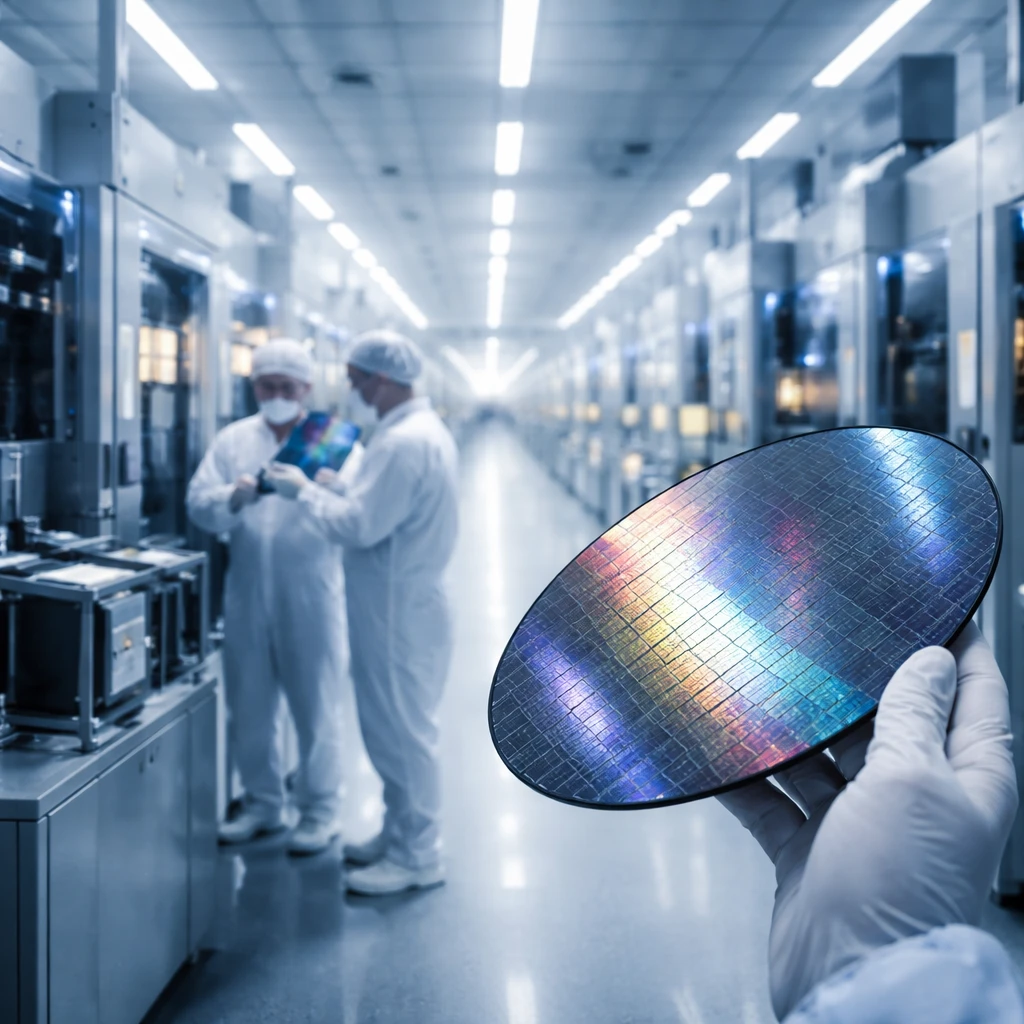
The analyst also called attention to mounting investment in memory manufacturing. He said construction of new clean-room facilities is accelerating, with incremental wafer capacity anticipated to come online by early-to-mid-2027. That capacity increase, he noted, should help bring the market toward a more balanced supply/demand backdrop by mid-2027.
Valuation and execution risks
Despite the more constructive pricing outlook, Hosseini emphasized that company execution will remain central to how valuations evolve. He warned that the ability of management teams to preserve margins through the cycle will be a critical determinant for investor outcomes, particularly as valuations have begun to contract since late 2025.
Key points
- Hosseini raised price targets and estimates for Micron, Samsung Electronics, SanDisk and SK Hynix, citing stronger DRAM and NAND pricing than previously modeled.
- AI workload shifts - notably toward inference and KV-caching - are expected to influence future memory demand, potentially adding meaningful upside to NAND bit demand.
- Increased capital investment and new wafer capacity are expected to come online by early-to-mid-2027, which could help rebalance supply and demand.
Risks and uncertainties
- Execution risk: Management teams’ ability to maintain margins through the cycle will materially affect valuations and investor returns.
- Supply risk: Accelerating construction of new memory clean-room facilities and the arrival of incremental wafer capacity by early-to-mid-2027 could alter the supply/demand balance.
- Product mix risk: Diverging price trajectories between DRAM and NAND across 2026 could create uneven performance across memory suppliers and product lines.