
Overview
Amazon is scaling up a rapid-delivery offering that promises to deliver eligible items to customers in 30 minutes or less. The service, branded Amazon Now, moved beyond its December pilot and is now active in Austin, Denver, Minneapolis and Phoenix, as well as expanded zones in Seattle, Philadelphia, Dallas and Atlanta. Amazon said it intends to broaden availability to tens of millions of customers in these and other cities by the end of the year, an increase from the millions currently reached.
How the service is structured
Items that qualify for the 30-minute option are marked with an Amazon Now label featuring a lightning bolt. Amazon maintains a dedicated landing page for customers to find and order eligible products. The company stocks these items in micro-fulfillment centers - often called dark stores - that are typically between 5,000 and 10,000 square feet. These smaller facilities are sited closer to customers than Amazon’s larger warehouses, which tend to be located near highways or major logistics hubs.
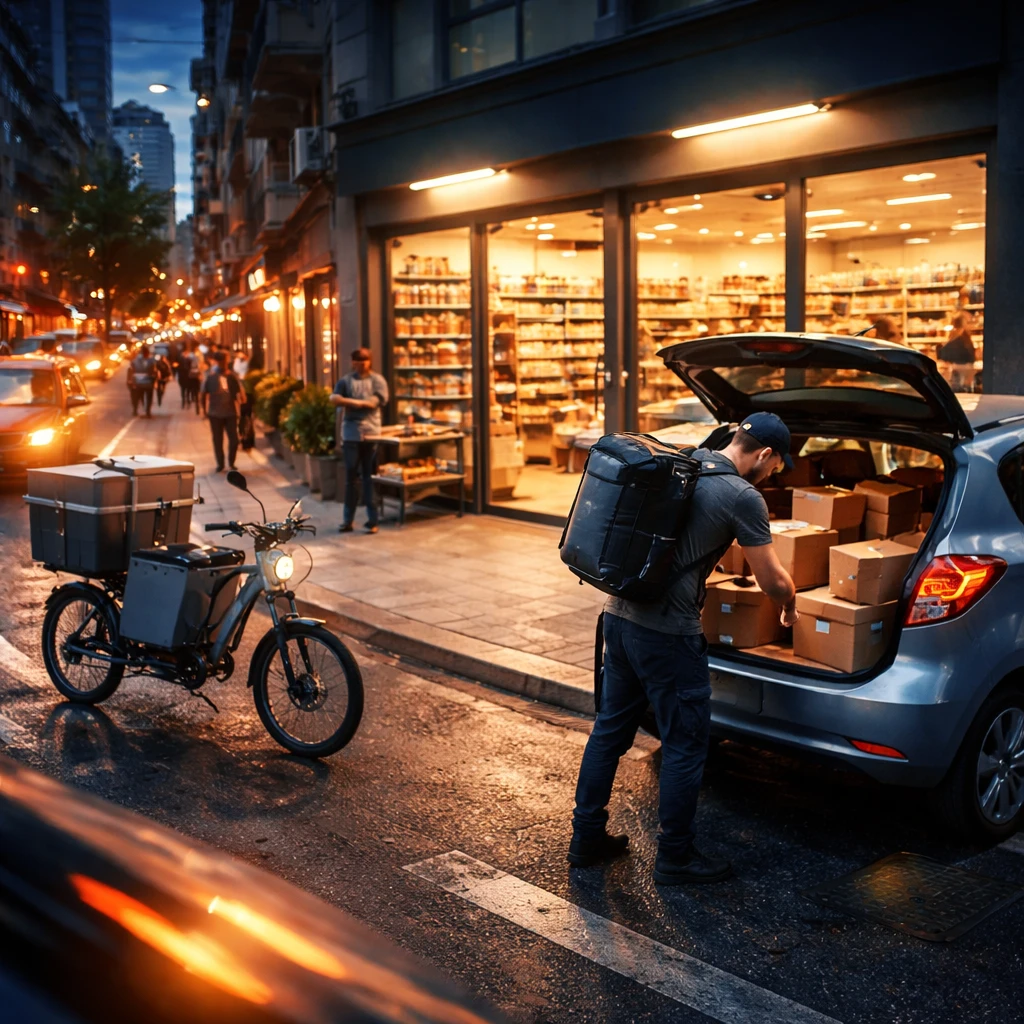
Deliveries are fulfilled by drivers in Amazon’s Flex network, who complete orders using their personal vehicles. Amazon said it may explore other transportation methods for certain areas as the service expands. The company has already added e-cargo bikes into last-mile operations in some cities.
Service cadence and global precedents
In most of the locations where 30-minute delivery is available, the service operates 24 hours a day. Amazon has also rolled out sub-30-minute options in other markets globally, including deliveries in 15 minutes or less across parts of Brazil, Mexico, India and the United Arab Emirates. In the U.S., Amazon has been shortening delivery windows incrementally after establishing two-day and next-day shipping as mainstream options, having introduced one-hour and three-hour windows in additional locations earlier.
Strategic rationale
Amazon’s push into ultra-fast fulfillment aligns with leadership statements on the business impact of speed. CEO Andy Jassy wrote in his most recent annual shareholder letter that investments in faster delivery increase conversion rates and drive higher shopping frequency on Amazon’s platform.
Competitive context
The expansion tightens competition with gig-economy platforms and large retailers. Amazon’s move puts pressure on services such as Instacart, DoorDash and Uber Eats, which typically fulfill orders in a matter of hours rather than minutes. It also competes directly with Walmart’s fast-delivery footprint; Walmart advertises delivery to 95% of American households in under three hours.
Implications for operations and customers
To support minute-scale delivery promises, Amazon is relying on a distributed network of compact fulfillment centers and a flexible last-mile workforce. The company’s approach combines closer inventory placement with a mix of transportation options to reach customers quickly. As coverage expands, Amazon indicated it will continue to evaluate and adapt delivery methods to match local conditions.
Summary
Amazon Now is advancing from pilot to broader deployment across multiple U.S. cities, leveraging micro-fulfillment centers and the Amazon Flex driver network to offer 30-minute deliveries around the clock in many areas. The company expects to scale reach to tens of millions of customers by year-end and highlights rapid delivery as a lever to boost conversion and shopping frequency.