
Global air travel continues to face significant disruption as airlines respond to the ongoing conflict that has prompted the closure or partial reopening of major Middle Eastern airspace hubs, including Dubai, Doha and Abu Dhabi. Carriers have published a series of service adjustments - cancellations, temporary suspensions and limited resumptions - across routes to and from the region. The following summary lists airline decisions in alphabetical order, reflecting the latest publicly disclosed changes to schedules.
AEGEAN AIRLINES - Greece’s largest airline has cancelled flights to Riyadh, Tel Aviv, Beirut and Amman through April 30. Services to Erbil, Baghdad and Dubai are cancelled through May 31.
AIRBALTIC - Latvia’s airBaltic has stated that all flights to Tel Aviv are cancelled until May 31. Flights to Dubai are cancelled through October 24.
AIR CANADA - The Canadian flag carrier has cancelled all flights to Tel Aviv and Dubai until September 7.
AIR EUROPA - The Spanish airline has cancelled all of its flights to Tel Aviv until May 3.
AIR FRANCE-KLM - Air France has suspended services to Tel Aviv, Beirut, Dubai and Riyadh until April 19. KLM has suspended flights to Tel Aviv, Riyadh, Dammam and Dubai until May 17.
CATHAY PACIFIC - Hong Kong’s flag carrier has cancelled all passenger flights to Dubai and Riyadh until May 31. To address increased demand for travel to Europe, Cathay Pacific plans to operate additional passenger flights to London, Paris and Zurich in April.
DELTA - The U.S. carrier has cancelled its New York-Tel Aviv flights and pushed back the restart of the Atlanta-Tel Aviv route until September 5. Delta said the planned Boston-Tel Aviv launch, scheduled for late October, has been delayed until further notice.
EL AL ISRAEL AIRLINES - The Israeli carrier reported that customers with planned departures from Israel through April 11 have had those flights cancelled, inclusive of the corresponding return flights. The airline is operating a limited number of services to several key destinations.
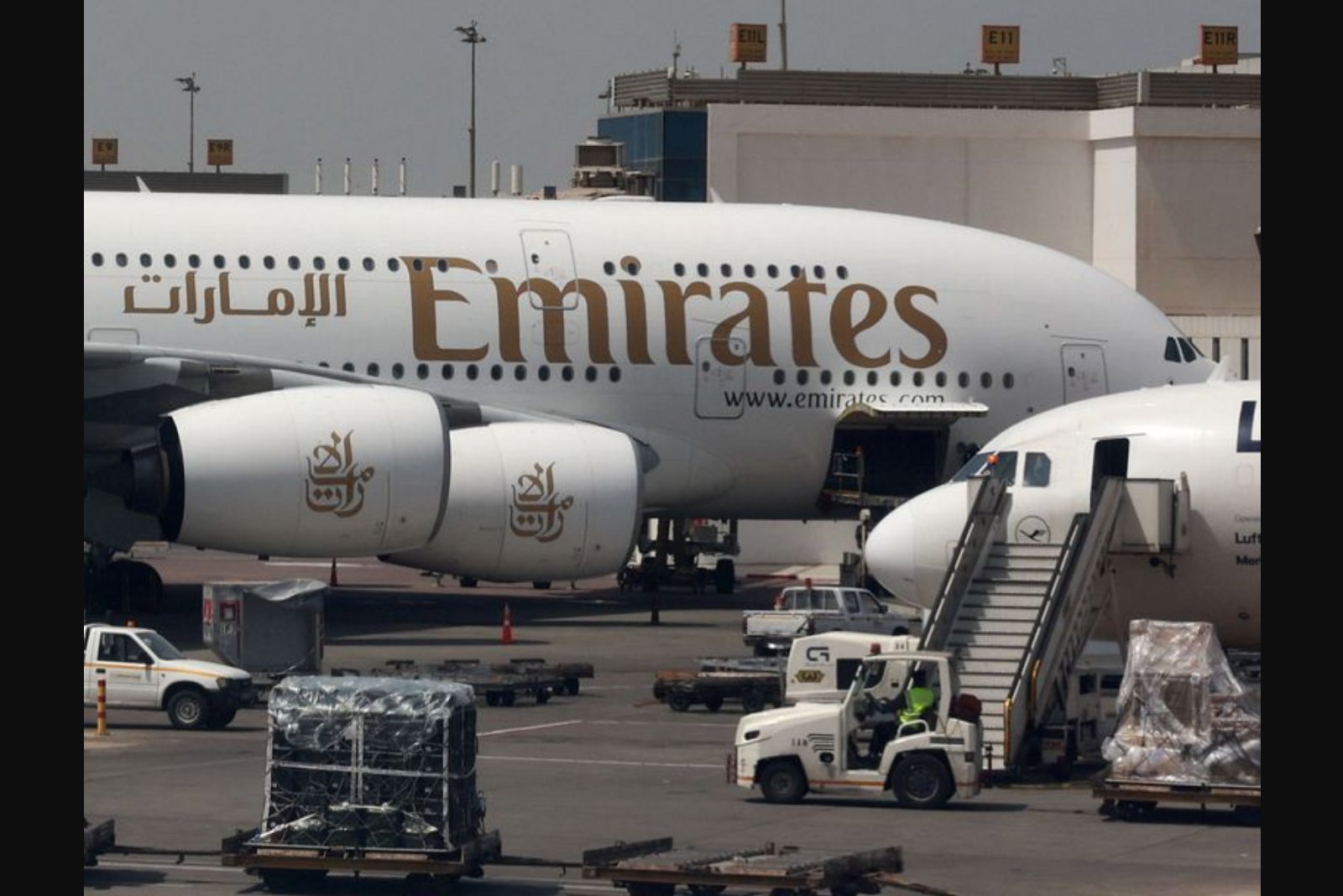
EMIRATES - The UAE carrier said it is operating a reduced flight schedule following a partial reopening of regional airspace.
ETIHAD AIRWAYS - Etihad reported that it is operating a commercial flight schedule between Abu Dhabi and approximately 80 destinations.
FINNAIR - Finland’s flag carrier has cancelled Doha flights until July 2 and continues to avoid airspace over Iraq, Iran, Syria and Israel. Finnair’s Dubai flights are scheduled to restart in October.
FLYNAS - The Saudi budget carrier has suspended flights to Dubai, Abu Dhabi, Sharjah, Doha, Bahrain, Kuwait, Iraq and Syria until April 15.
IAG - IAG-owned British Airways has extended cancellations to Amman, Bahrain, Dubai and Tel Aviv through May 31, and to Doha through April 30. The airline said it would add flights to Bangkok, Singapore and the Maldives through April, and a third daily London-Mumbai flight will operate in May. Flights to Abu Dhabi remain suspended until later this year. IAG’s low-cost brand Iberia Express has cancelled all flights to and from Tel Aviv through May 31.
JAPAN AIRLINES - Japan Airlines has suspended scheduled Tokyo-Doha flights until April 10 and Doha-Tokyo services until April 11.
LOT - The Polish carrier has suspended all flights to Tel Aviv until May 31. In addition, LOT cancelled flights to Riyadh until June 30 and to Beirut from March 31 through May 30. The airline plans to operate its winter route to Dubai in October.
LUFTHANSA GROUP - Lufthansa and its sister carriers Swiss, Austrian Airlines, Brussels Airlines, ITA Airways and Edelweiss have suspended flights to Dubai and Tel Aviv through May 31, and to Abu Dhabi, Amman, Beirut, Dammam, Riyadh, Erbil, Muscat and Tehran through October 24. Lufthansa Cargo has applied similar suspensions, with the exception that its Tel Aviv suspension runs through April 30. Low-cost Eurowings plans to suspend flights to Tel Aviv, Beirut and Erbil through April 30, and to Dubai, Abu Dhabi and Amman through October 24.
MALAYSIA AIRLINES - The Malaysian carrier has suspended all flights to Doha until June 14.
NORWEGIAN AIR - The low-cost carrier has pushed back planned launches of Tel Aviv and Beirut services to June 15, from initial start dates of April 1 and April 4 respectively. Norwegian has also cancelled all Dubai flights for the remainder of the winter season through April 8.
PEGASUS - Turkey’s Pegasus Airlines has cancelled flights to Iran, Iraq, Amman, Beirut, Kuwait, Bahrain, Doha, Dammam, Riyadh, Dubai, Abu Dhabi and Sharjah until May 1.
QANTAS - Australia’s flag carrier is adding capacity to Rome and Paris to meet higher demand for European routes; Paris services will increase to five return flights per week from three, and the Perth-Singapore route will increase from daily to 10 flights per week. Qantas said an updated schedule will take effect progressively from mid-April and run until late July.
QATAR AIRWAYS - Qatar said it is gradually increasing flights to and from Doha, targeting more than 120 destinations by mid-May.
SINGAPORE AIRLINES - Singapore Airlines extended the suspension of Singapore-Dubai flights until May 31, while adding services on the Singapore-London Gatwick and Singapore-Melbourne routes from late March until October 24 to accommodate stronger demand.
TURKISH AIRLINES - Turkish Airlines has cancelled most Middle East flights until the end of March. SunExpress, its joint venture with Lufthansa, has cancelled flights to Dubai until April 6 and to Bahrain until April 30.
WIZZ AIR - The low-cost carrier has suspended flights to Israel until April 13, and suspended flights to Dubai, Abu Dhabi and Amman from mainland European destinations until mid-September. All flights to Medina have been suspended indefinitely.
The period and geographic reach of these cancellations vary by carrier, with some suspensions running into late spring and others extending into October or later. Several airlines have responded to reduced or altered connectivity by reallocating capacity - adding extra services on high-demand long-haul routes to Europe or elsewhere - while others have curtailed networks significantly or delayed planned route launches.
Passengers booked on affected flights are subject to the individual carrier’s rebooking and refund policies. Some airlines report operating a limited set of services from key gateways, while others are returning to partial schedules where regional airspace has reopened to a limited degree.
Context on network responses
Carriers that operate significant long-haul schedules have described a mixture of temporary suspensions and targeted capacity increases in other markets to manage demand imbalances. Examples include extra European services from carriers citing stronger demand and network adjustments where bilateral operations remain feasible.
Sectoral implications
Airlines, airports and cargo operators face operational strain due to rerouted flights, cancellations and ongoing uncertainty about airspace availability. Freight operators have in some cases mirrored passenger network suspensions. The travel and tourism sectors that rely on stable air links to the Middle East and nearby regions are also affected by these schedule disruptions.
Note: This account compiles the latest airline statements about route suspensions and schedule revisions as released by the carriers.