
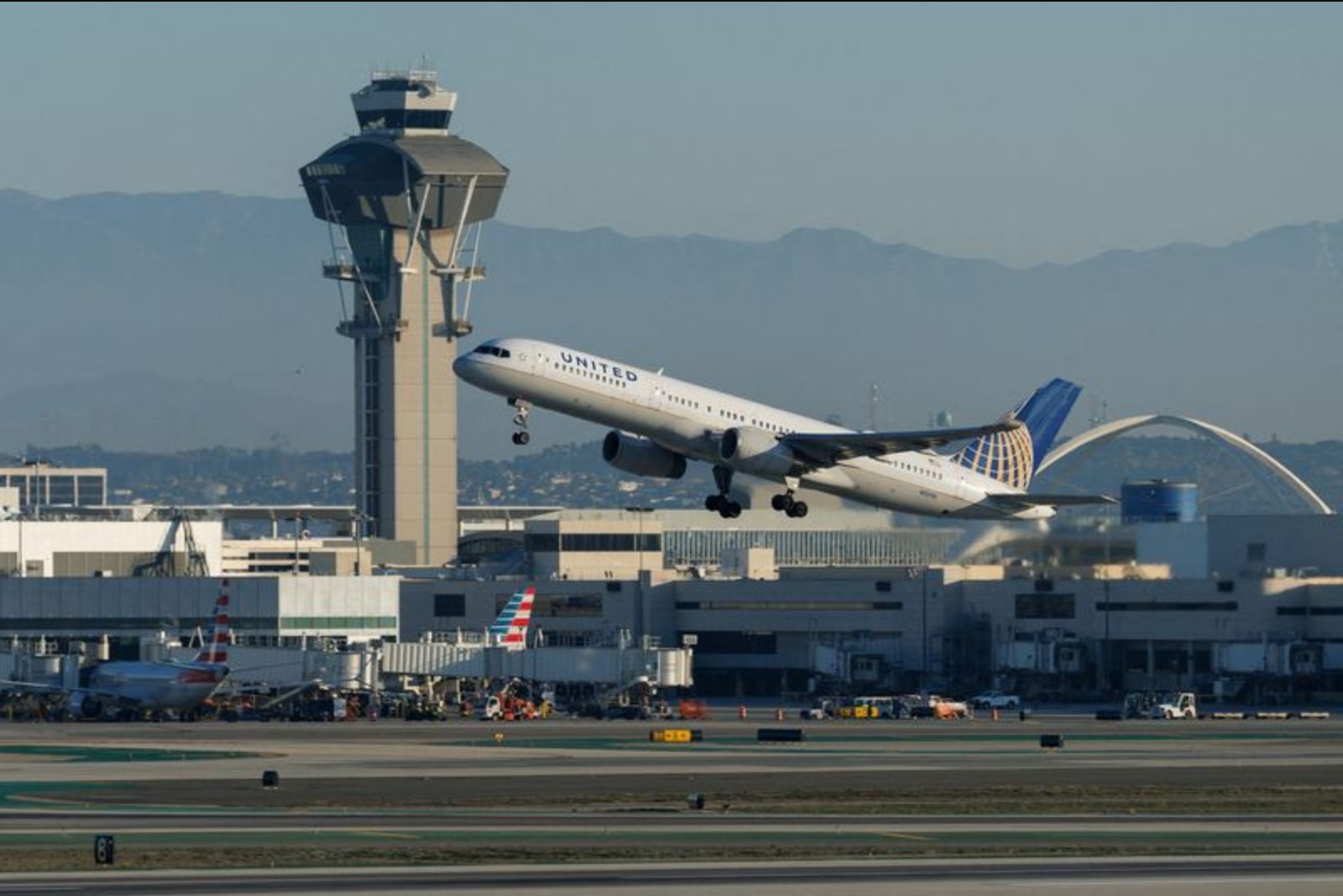
Global airlines are responding to a rapid increase in oil prices by lifting fares, imposing fuel surcharges and cutting capacity, but the sector’s ability to remain profitable will hinge on whether higher gasoline costs dampen consumer demand for travel.
Prior to the recent escalation in tensions in the Middle East, the airline industry had been forecasting a record $41 billion in profit for 2026. A near-doubling of jet fuel prices since that baseline has placed that outlook in jeopardy and forced carriers to revisit route plans, capacity schedules and pricing strategies.
Pricing and capacity responses
Several carriers have announced measures intended to limit the impact of fuel inflation. Airlines including United Airlines, Air New Zealand and Scandinavia’s SAS have publicly announced reductions in capacity and increases in fares. Other carriers have added or raised fuel surcharges to partially offset the jump in operating costs.
“Airlines face an existential challenge,” said Rigas Doganis, former head of Olympic Airways and former easyJet director and now chair of Airline Management Group. “They will need to cut fares to stimulate weakening demand while higher fuel costs will be pushing them to increase fares. A perfect storm,” he said.
Record passenger traffic last year - about 9% above pre-pandemic levels - had given carriers significant pricing power as constrained aircraft deliveries and strong post-pandemic demand limited capacity growth. That environment allowed airlines to fill more seats and lift yields. But the magnitude of increases in ticket revenue now needed to offset the rise in jet fuel is substantial, occurring at the same time that consumers face higher gasoline bills.
“The only way to get prices up is to reduce capacity,” said Andrew Lobbenberg, head of European transport equity research at Barclays. “That is what I would expect to see happen this time, and it’s what we saw in the previous occasions when we had other crises; people just have to start trimming capacity.”
Examples of fare pressure and surcharges
United Airlines’ chief executive, Scott Kirby, told ABC News that fares would need to rise by about 20% for the carrier to cover increased fuel costs. Hong Kong-based Cathay Pacific has raised fuel surcharges twice in the last month; in one instance the carrier set an $800 fuel surcharge for a round trip between Sydney and London, where a typical economy-class round trip on the route prior to the Iran conflict was roughly A$2,000 ($1,369.60).
Analysts warn that low-cost carriers may be particularly exposed because their passengers tend to be more price-sensitive than the corporate and wealthier leisure clientele targeted by premium carriers such as Delta Air Lines and United Airlines. Bank of America’s head of Asia-Pacific transport research, Nathan Gee, said lower-priced travelers may downgrade short-haul flying to alternatives such as rail or bus if ticket prices rise.
Repeated oil shocks and operational constraints
The current Middle East conflict represents the fourth significant oil shock to hit the airline industry since 2000. Previous shocks occurred in 2007-2008, around 2011 following upheaval in the Arab world, and after the Russia-Ukraine war in 2022. In the present episode, some carriers, including Vietnam Airlines, have expressed concerns about securing physical supplies of jet fuel should the Strait of Hormuz close.
Industry consolidation through a wave of mergers between 2008 and 2014 - for example Delta-Northwest and American Airlines-US Airways - reduced the number of major U.S. carriers and brought a more disciplined approach to capacity management. Low-cost operators such as Ryanair and India’s IndiGo have relied on single-type fleets and quick turnarounds to maintain low unit costs.
Replacing older aircraft with more fuel-efficient models can reduce fuel burn, but the pandemic-era supply-chain disruptions and technical problems with new engines have delayed deliveries for many carriers. Even though some U.S. ultra-low-cost carriers operate very fuel-efficient, newer fleets, a decline in travel demand could undermine their ability to justify and finance purchases of new aircraft.
Financial divergence across carriers
Consulting head Dan Taylor of aviation advisory firm IBA said the present oil shock is likely to widen the divide between financially strong and weaker airlines. “Carriers with robust balance sheets, strong pricing power, and reliable access to capital are better positioned to absorb ongoing pressures,” he said. “In contrast, airlines with low profitability and limited funding options may face increasing financial stress.”
The combination of rising fuel costs, constrained fleet replacement, and potential demand weakness creates a complex risk profile for the sector. Carriers are balancing between raising fares to protect margins and cutting capacity to support fares, while also worrying that higher ground fuel prices for consumers could reduce discretionary travel.
Additional note
($1 = 1.4603 Australian dollars)
ProPicks AI evaluation mention
The article referenced an AI-based investment evaluation tool that assesses the airline ticker RYAAY using a broad set of financial metrics and highlights historical examples of the tool’s picks. The paragraph presented the tool’s approach to screening stocks and offered readers a prompt to consult it for portfolio ideas or alternatives in the same sector.