
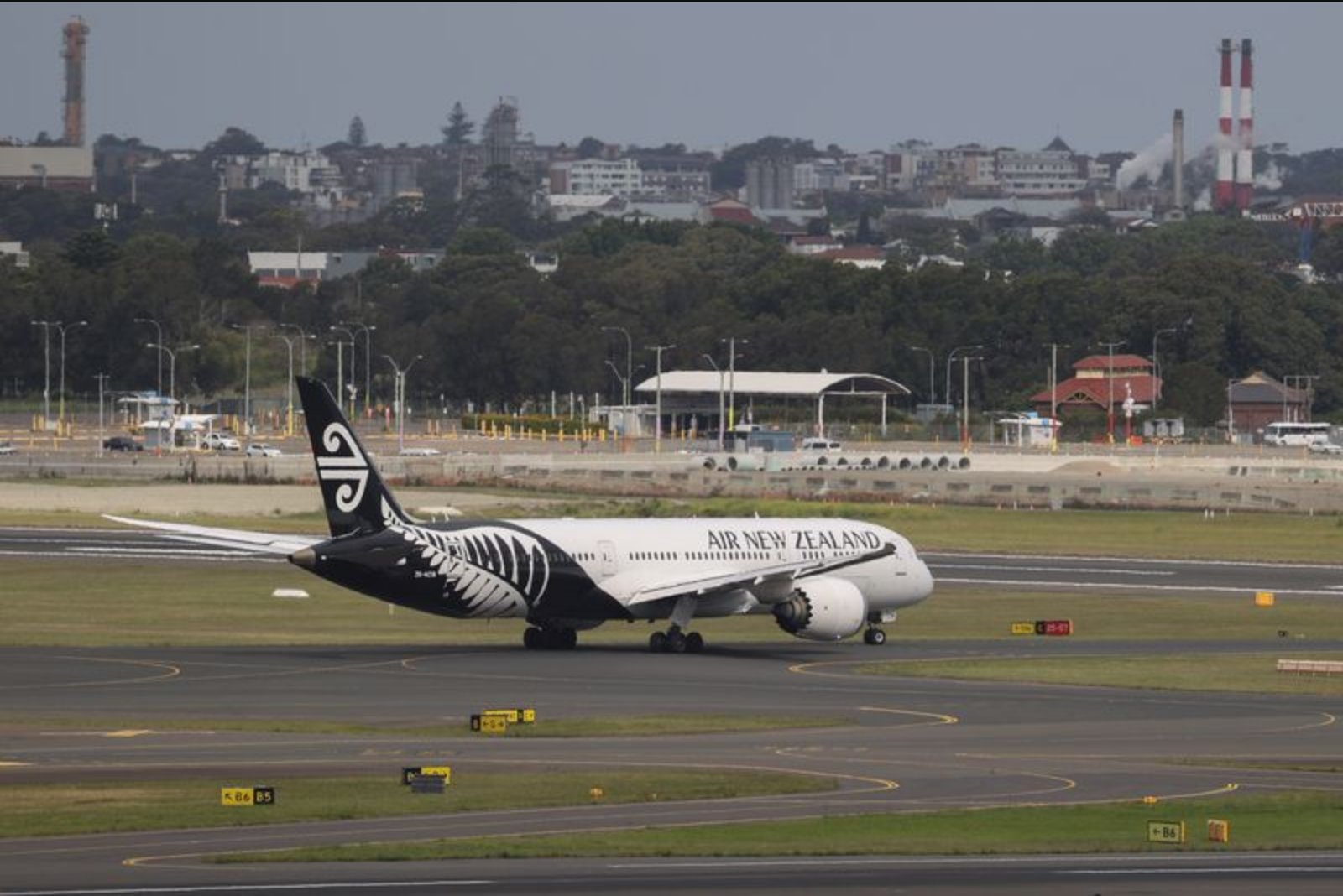
Air New Zealand on Thursday said it anticipates its largest annual pre-tax loss in four years, attributing the deterioration to sharply higher jet fuel prices driven by the prolonged Middle East conflict, alongside fragile demand and limits on aircraft availability.
The airline projected a pre-tax loss for the year of between NZ$340 million and NZ$390 million, on the assumption that average jet fuel will cost US$145 per barrel in the second half of the financial year. By comparison, the carrier posted a profit of NZ$189 million in the prior year.
Air New Zealand pointed to the conflict in the Middle East as a major factor pushing energy costs higher. "The U.S.-Israeli war against Iran has severely disrupted energy supply, sending crude prices soaring," the company said, noting that the knock-on effect has been a spike in jet fuel prices - the jet fuel component of crude refining has reached levels of US$150-US$200 per barrel in recent trading - and that fuel can represent up to a quarter of an airline's operating expenses.
The carrier said it expects to consume roughly 4.1 million barrels of jet fuel in the January to June period, which would raise its fuel bill for the second half of the financial year to NZ$980 million. That figure is 32% higher than its February estimate and would lift the full-year fuel bill to about NZ$1.75 billion, up from NZ$1.48 billion incurred in 2025.
"The scale and speed of recent movements in jet fuel prices and refining margins have created a material external shock for the global aviation sector," the carrier said. It added that, should fuel prices remain at these elevated levels, it expects to announce further capacity updates in the coming weeks.
Air New Zealand has already cut overall group capacity three times across its network and implemented fare increases as part of its response. Despite those measures, management said a recent slowdown in booking momentum and weak demand on domestic and trans-Tasman routes continue to weigh on its outlook.
Contextual note on costs and operations - The company highlighted that the combination of higher fuel costs, softening demand and fleet constraints creates a compounding pressure on unit economics and margins. Fuel remains a significant cost input and the upward revision to expected consumption and price has materially increased projected operating expenses for the year.
Management signalled potential for additional capacity adjustments if the fuel price environment does not improve, underscoring how input cost shocks can quickly force operational responses even as demand indicators weaken.