
Stock Markets January 28, 2026

Air Canada widens winter international network with Quito and other seasonal additions

Carrier adds Ecuador capital flights and cites premium demand and cargo as drivers while union bargaining looms

By Priya Menon
Air Canada widens winter international network with Quito and other seasonal additions

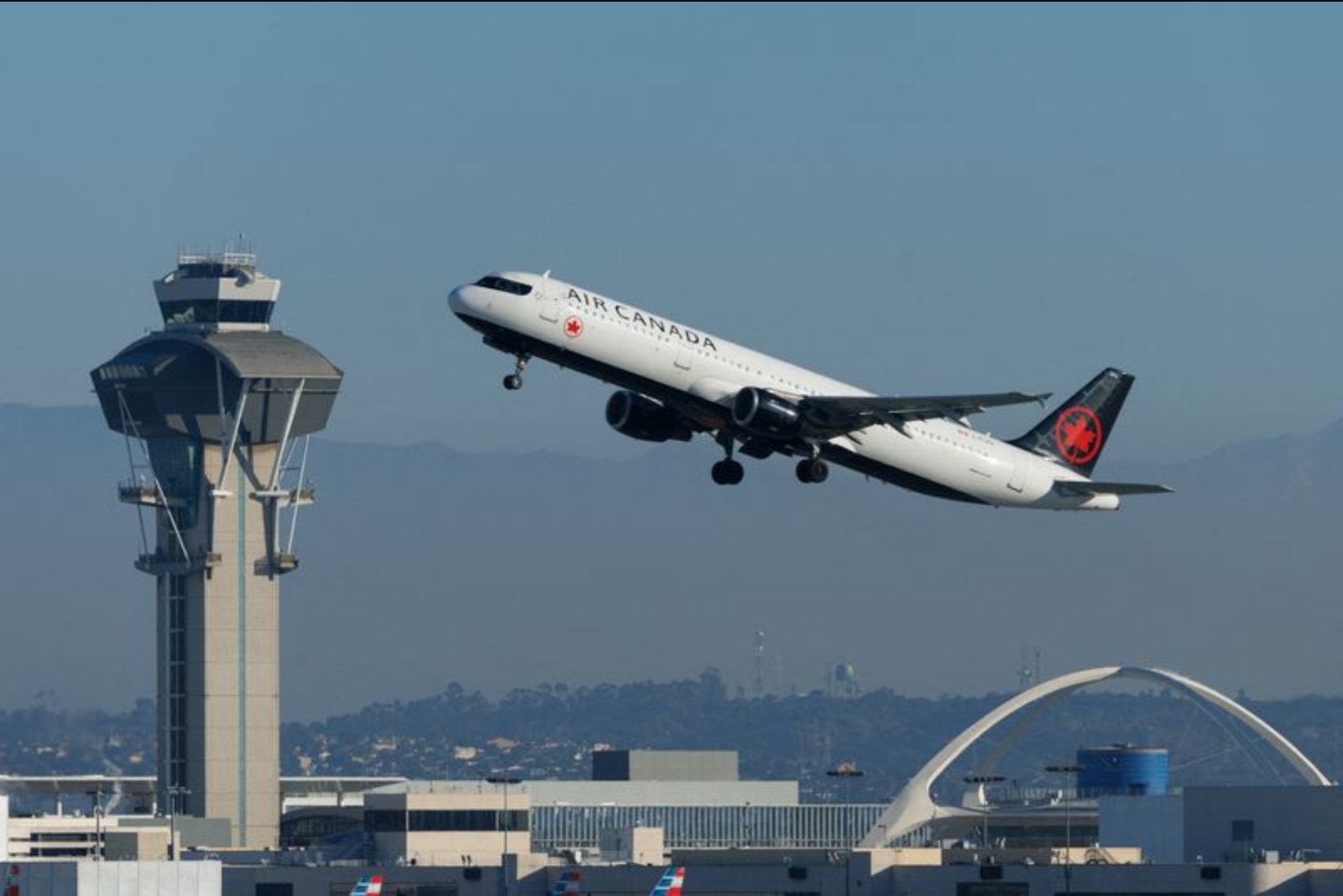
Air Canada announced an expansion of its winter schedule to include new services to Quito from Toronto and Montréal using Boeing 787 Dreamliners, while highlighting demand for premium international travel and cargo opportunities. The airline also pointed to a new Airbus A321 XLR base at Toronto-Pearson enabling year-round European routes and noted recent announcements including non-stop Sapporo flights. Meanwhile, Unifor has opened collective bargaining for airport and customer service staff ahead of a contract expiration.

Key Points

  • Air Canada will launch non-stop flights to Quito from Toronto and Montréal in December this year using Boeing 787 Dreamliners.
  • The airline is emphasizing premium international travel and cargo as growth drivers and is leveraging a new Airbus A321 XLR base at Toronto-Pearson to support year-round service to Copenhagen and Manchester.
  • Air Canada recently announced non-stop flights to Sapporo beginning December 2026, while Unifor has opened collective bargaining for about 6,000 airport and customer service employees ahead of a February 28, 2026 contract expiration.

Air Canada said on Wednesday it will broaden its winter route network to Europe and Latin America, moving to capture what it described as rising demand for premium international travel.

The carrier plans to inaugurate non-stop flights to Quito, Ecuador's capital, from its Toronto and Montréal hubs beginning in December this year. Those services will be operated with a Boeing 787 Dreamliner.

In a company statement, Air Canada noted broader industry trends, saying that airlines across North America are relying more on premium cabins, corporate travel and loyalty programmes to bolster their financial performance.

Mark Galardo, president of cargo at Air Canada, framed the Quito routes as part of a wider push into Latin America and cited associated cargo potential. He said: "We are continuing our strategic expansion into Latin America, taking advantage of continued demand strength and cargo opportunities, while leveraging a new Airbus A321 XLR base at our Toronto-Pearson global hub to enable year-round service to Copenhagen and Manchester."

The airline's winter scheduling moves follow another recent network announcement. Last week, Air Canada said it would add non-stop flights to Sapporo, with service slated to begin in December 2026.

On the labour front, Unifor, which represents around 6,000 employees at the carrier who work in airport and customer service roles, has opened collective bargaining. The union said this step comes ahead of a contract that expires on February 28, 2026.

The carrier's growth plans emphasize premium international demand and cargo as revenue streams, and the establishment of a long-range narrowbody base at Toronto-Pearson as an enabler of year-round European connectivity. At the same time, the union's bargaining process marks a potential source of operational and labour uncertainty as those talks proceed toward the contract expiration date.


Contextual notes in this report are limited to information provided by the company and the union statement; no additional sources were used.

Risks

  • Labour negotiations - Collective bargaining opened by Unifor for 6,000 airport and customer service staff ahead of the February 28, 2026 contract expiry could create operational or cost uncertainties for the carrier; this primarily impacts the airline and labour sectors.
  • Demand reliance - Air Canada is betting on continued strength in premium international travel and corporate bookings as revenue drivers; if premium demand weakens, that could affect airline revenue and passenger markets.
  • Execution of network and fleet strategy - Implementation of new routes and the use of specific aircraft types such as Boeing 787 Dreamliners and Airbus A321 XLRs require operational alignment; any disruption would affect airline operations and related aviation suppliers.

More from Stock Markets

Australian Shares Finish Higher as Gold, IT and Mining Stocks Lead Gains Feb 3, 2026 Global Consultancies Adopt Riskier Workarounds in China Amid Sanctions and New Data Rules Feb 3, 2026 Indian equities rally after U.S. agrees tariff reductions in trade accord Feb 2, 2026 SiTime Nears Acquisition of Renesas Timing Business in Potential $3 Billion Deal Feb 2, 2026 Tesla Debuts New All-Wheel Drive Model Y Trim in U.S.; Premium Option Also Launched Feb 2, 2026