
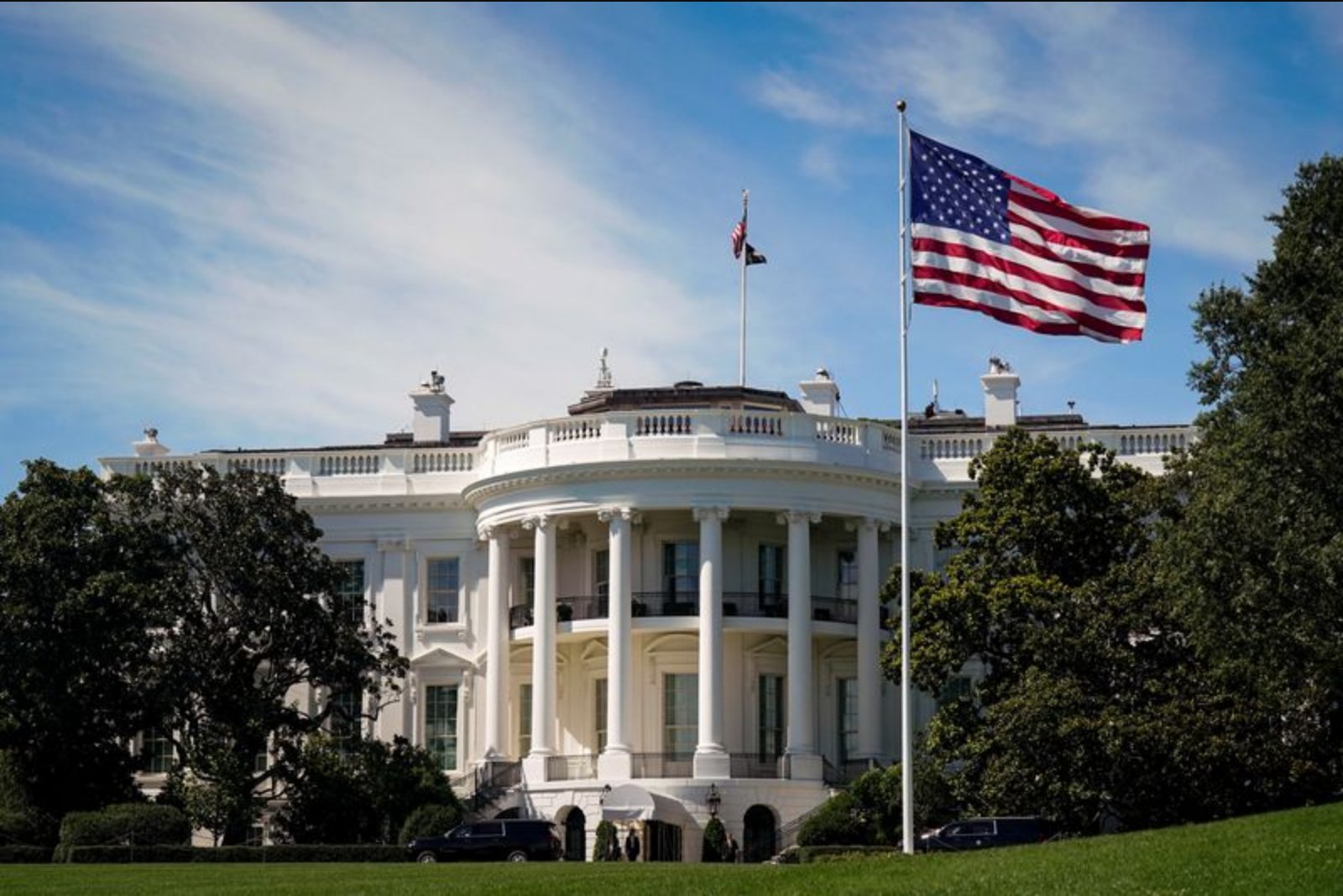
The administration is poised to unveil tariffs as early as Thursday on drug manufacturers that have not reached agreements to limit medicine prices in the United States, according to people familiar with the proposal. The White House did not immediately respond to requests for comment.
At the center of the report is a potential 100% tariff on imported branded and patented medicines. That prospect has already prompted several global pharmaceutical companies to accelerate U.S.-based production and build inventory buffers to mitigate the potential financial impact.
Corporate responses and exemptions
Some companies have secured relief from the tariff threat by negotiating pricing deals and committing to the new TrumpRx.gov platform. Pfizer and AstraZeneca are reported to have obtained multi-year exemptions under those arrangements.
Other major firms have signaled large-scale investment plans aimed at avoiding penalties. Eli Lilly, Johnson & Johnson and Merck have each pledged billions of dollars to expand manufacturing and other operations within the United States, according to the report.
Officials plan to subject companies without agreements and those not engaged in negotiations to the 100% tariff, the people said. The proposals are not final and could be altered, including the possibility of carve-outs for particular medicines and certain disease categories.
Context for investors
The report includes a specific mention of Eli Lilly under the ticker LLY in promotional material evaluating stock opportunities. An AI-driven strategy product referenced in the report evaluates companies including LLY across many financial metrics and cites historical winners as examples.
Note on status and uncertainty
Plans outlined in the report remain subject to change, and officials may grant exceptions for some products or therapeutic areas. The administration's final decisions and any implementing guidance could alter which companies are affected and how penalties are applied.
Key points
- Administration may impose a 100% tariff on imported branded and patented medicines if companies do not secure pricing deals or domestic commitments.
- Pfizer and AstraZeneca have reportedly obtained multi-year tariff exemptions through pricing agreements and commitments to the TrumpRx.gov platform; Eli Lilly, Johnson & Johnson and Merck have pledged billions to expand U.S. operations.
- The proposal is not finalized and could include exemptions for some medicines or disease categories, creating uncertainty for companies and supply chains.
Risks and uncertainties
- The plan remains subject to change - details could shift before any announcement or implementation, affecting which companies face tariffs.
- Exemptions may be granted for certain medicines or disease categories, meaning the scope and economic impact of any tariffs are uncertain.
- Companies that have not reached agreements could face severe cost increases if a 100% tariff is applied, with implications for production, inventory decisions, and pricing strategies.