
Stock Markets May 8, 2026 02:00 AM

Accusations Fly as Russia's Victory Day Truce Sees Continued Strikes

Moscow and Kyiv exchange claims of ceasefire breaches amid drone attacks and frontline bombardment

By Caleb Monroe

Russia and Ukraine each accused the other of breaking a two-day ceasefire that Moscow announced to cover Victory Day festivities. Russian authorities reported dozens of downed Ukrainian drones and strikes on the capital and the Urals, while Kyiv said Russian forces continued attacks on frontline positions and launched hundreds of strikes overnight.

Accusations Fly as Russia's Victory Day Truce Sees Continued Strikes

Key Points

  • Russia announced a ceasefire from May 8 to May 10 to cover Victory Day events, but both sides accuse the other of breaching it.
  • Russian officials said 264 Ukrainian drones were downed and reported strikes on Moscow and the Perm region; Ukraine reported over 140 strikes on frontline positions, 10 assaults, and more than 850 drone strikes overnight.
  • Diplomatic movements were affected as Moscow warned of potential missile retaliation and instructed foreign diplomats to leave Kyiv; the fighting directly impacts defense and security sectors and carries implications for government operations and civilian safety.

Russian and Ukrainian officials traded accusations on Friday that the other side had violated a temporary ceasefire Moscow had declared to coincide with its Victory Day commemorations.

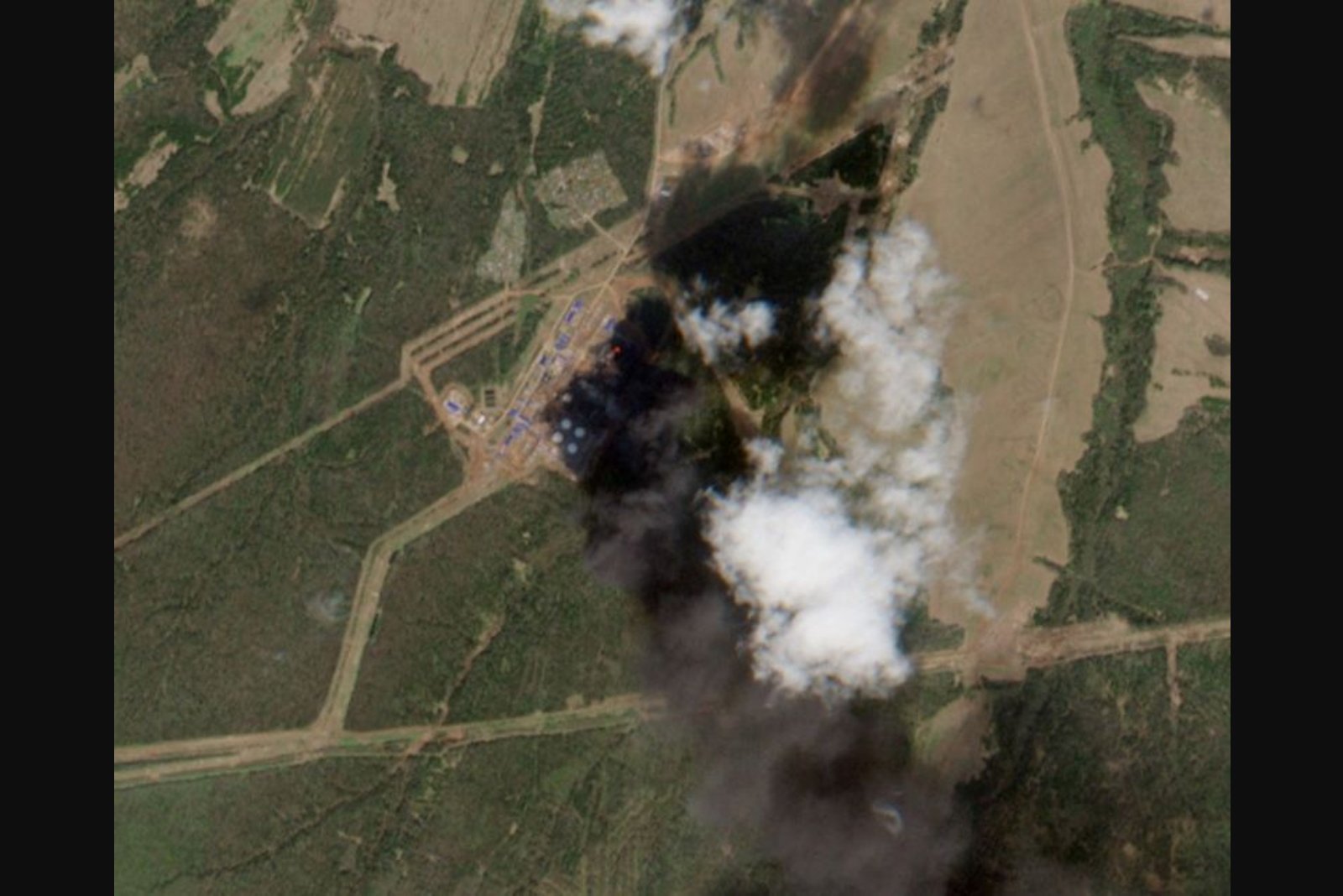
The Russian Defence Ministry reported that 264 Ukrainian drones were shot down in the early hours of Friday. Moscow Mayor Sergei Sobyanin said the capital had been targeted, and officials in the Urals region reported drone strikes on Perm.

Russia had put forward a ceasefire running from May 8 to May 10 to cover its observances marking the Soviet Union's victory over Nazi Germany, including a military parade in Moscow. Prior to the pause, Russian authorities warned that any Ukrainian effort to disrupt the celebrations could prompt a large missile strike on Kyiv, and Moscow said it had instructed foreign diplomats to evacuate the Ukrainian capital in case of retaliation.

On the Ukrainian side, President Volodymyr Zelenskiy said Russian forces continued to attack Ukrainian positions during the night into Friday. He argued this demonstrated that Russia had not made "even a token attempt to cease fire on the front." As of 7 a.m. local time (0400 GMT), Zelenskiy said there had been more than 140 Russian strikes on Kyiv's frontline positions.

In his comments, Zelenskiy reported that Russian forces conducted 10 assaults overnight and launched more than 850 drone strikes. He reiterated that Ukraine would respond in kind, saying:

"As we did over the past 24 hours, Ukraine will respond in kind today as well. We will defend our positions and people’s lives."

Earlier in the week, in response to Moscow's ceasefire announcement, Zelenskiy had proposed an open-ended truce beginning on May 6. He said Russia had violated that proposal. Neither side accepted the other's ceasefire terms.


The Victory Day commemorations referenced by Russia honor the defeat of Nazi Germany in World War Two. The Soviet Union lost 27 million people in that conflict, including many millions in Ukraine, and advanced to Berlin where Adolf Hitler committed suicide and the red Soviet Victory Banner was raised over the Reichstag in May 1945.

The situation remains fluid, with both capitals accusing the other of violations during a period set aside for national ceremonies. The competing claims underscore the fragile nature of temporary pauses in fighting and the risks surrounding major national events.

Risks

  • Escalation risk - Continued mutual accusations and reported strikes during a declared ceasefire raise the possibility of further escalation, affecting defense and security stability.
  • Diplomatic disruption - Moscow's warning and guidance for foreign diplomats to evacuate Kyiv indicate a risk to diplomatic operations and international personnel.
  • Civilian and infrastructure harm - Reported drone attacks on major population centers such as Moscow and the Perm region, alongside heavy strikes on frontline positions, signal ongoing risks to civilian areas and public infrastructure.

More from Stock Markets

Nvidia CEO Jensen Huang Sees 27% Drop in Total Pay as Stock Awards Lose Value May 12, 2026 Activist Urges BWX Technologies to Revisit Shelved Reactor Plan, Sees Potential for Stock to Double May 12, 2026 S&P Moves Mexico’s Outlook to Negative, Citing Fiscal Strain and Tepid Growth May 12, 2026 Moody's Lowers Everforth Outlook to Negative Amid Elevated Leverage May 12, 2026 Moody's Moves Albemarle Outlook to Stable After Debt Cuts and Stronger Lithium Prices May 12, 2026