
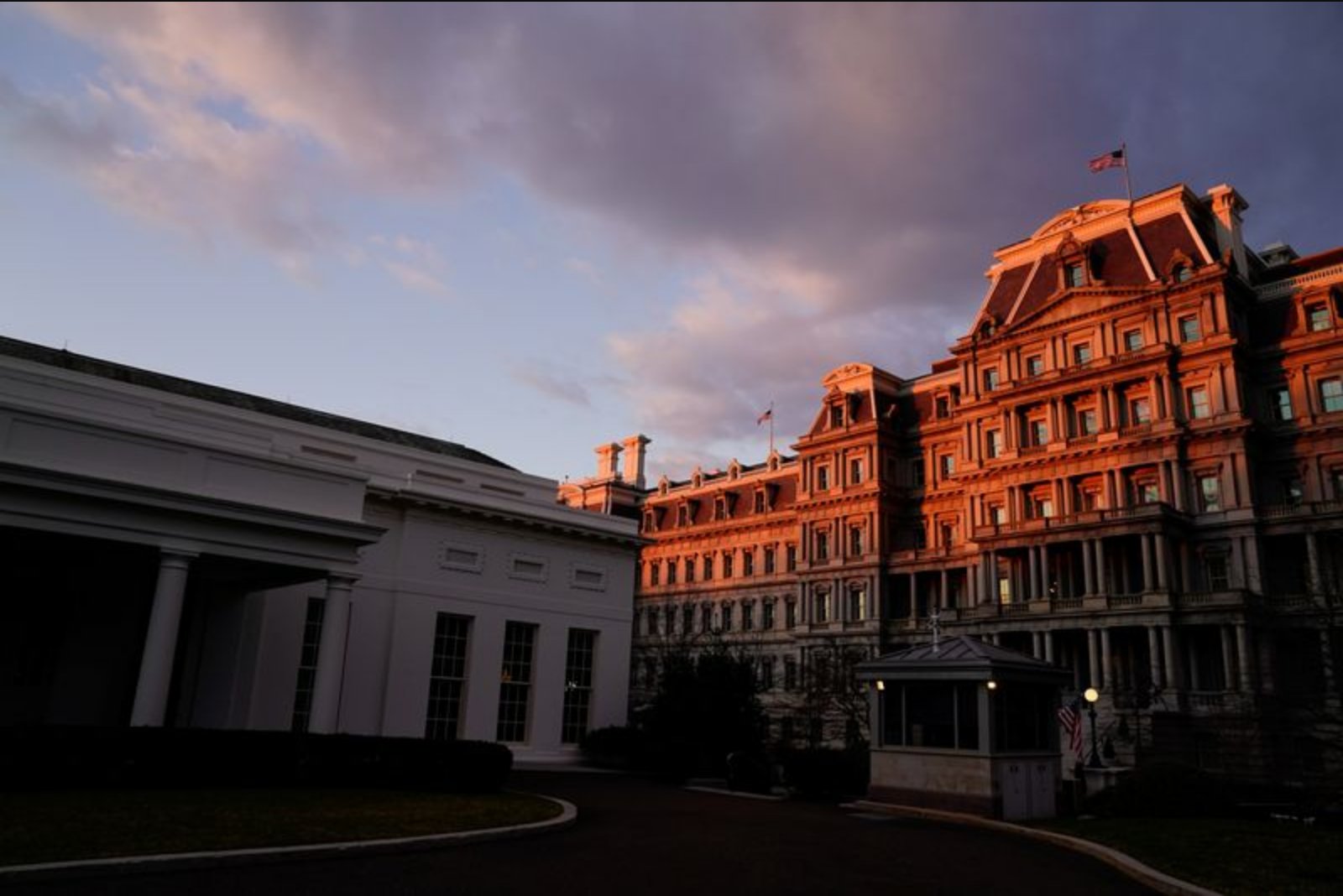
WASHINGTON, March 22 - The White House has installed a statue of Italian explorer Christopher Columbus on its grounds, the latest visible action in an administration effort to reshape public portrayals of American history and culture.
According to a letter made public on Sunday, President Donald Trump said "The statue is now residing on the north side of the Eisenhower Executive Office Building on the White House campus." In that same letter he thanked the Conference of Presidents of Major Italian American Organizations for gifting the statue to the federal government.
The administration frames this and related decisions as part of a campaign against an ideology it calls "anti-American." That campaign, as described by the White House, has included the dismantling of slavery exhibits, the restoration of Confederate monuments and other actions that civil rights advocates warn could reverse decades of social progress.
During the widespread Black Lives Matter protests in 2020 following the killing of George Floyd, a number of U.S. cities removed monuments to Christopher Columbus. Those protests prompted renewed scrutiny of the colonial era and the legacy of slavery. Critics of heroic depictions of Columbus have argued that such portrayals downplay or ignore documented cruelty toward indigenous peoples of the Americas.
In the president's letter, Trump described Columbus as "the original American hero and one of the most gallant and visionary men to ever walk the face of the Earth." The White House's newly installed statue is a reconstruction of the monument that then-President Ronald Reagan unveiled in Baltimore in 1984. That original Baltimore statue was thrown into the city's harbor in 2020 by protesters, an action the president characterized in his letter as the work of "anti-American rioters."
Separately, federal officials have signaled further displays of contested monuments. Last week the Interior Department announced that a statue of Caesar Rodney - identified in the announcement as an enslaver and a signer of the Declaration of Independence - will be placed on display in Washington after having been removed amid racial justice protests in Delaware in 2020. A statue of Confederate General Albert Pike, which was overturned during protests in 2020, was also reinstalled in Washington last year.
These actions have drawn attention to how federal authorities choose to manage monuments and public symbols, and they have renewed debate about how the nation confronts historical figures with complex and contested legacies. Civil rights advocates continue to assert that some restorations and removals risk undermining progress on racial justice, while backers of the White House moves argue they restore historical recognition for figures they consider important.
Key points
- The White House installed a Columbus statue on the north side of the Eisenhower Executive Office Building; the gift was acknowledged in a presidential letter to Italian American organizational leaders.
- The statue is a reconstruction of a 1984 monument first unveiled by President Ronald Reagan in Baltimore; that original was thrown into Baltimore's harbor by protesters in 2020.
- Recent federal moves include plans to display a Caesar Rodney statue and the reinstallation last year of a Confederate General Albert Pike statue in Washington.
Sectors potentially affected
- Cultural and historical institutions, including federal property management and museum exhibits.
- Municipal governments and tourism sectors that manage public monuments and related visitor activity.
Risks and uncertainties
- Ongoing public protests and pushback from civil rights advocates could create reputational risks for institutions associated with restored monuments - affecting cultural institutions and local governments.
- Actions framed as reversing prior removals or exhibit changes may deepen political polarization, introducing uncertainty for policymakers and entities involved in public heritage management.