
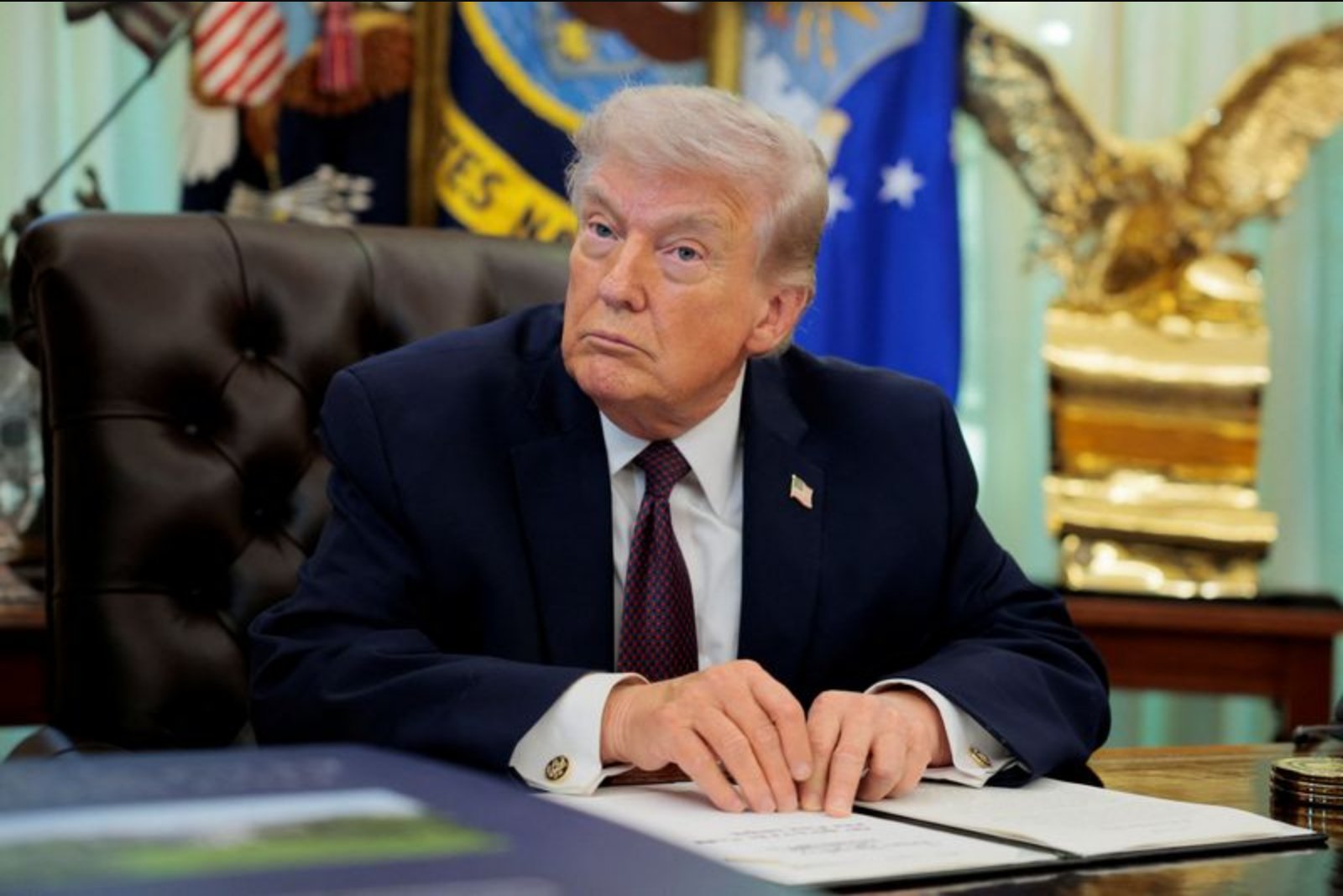
President Donald Trump on Tuesday signed an executive order designed to tighten rules around voting by mail across the United States. The directive instructs the administration to prepare a roster of confirmed U.S. citizens qualified to vote in each state and would restrict absentee ballots so they are sent only to voters included on a state's approved mail-in ballot list.
The order further calls for absentee ballots to be enclosed in secure envelopes bearing unique tracking barcodes, a measure intended to monitor and account for mailed ballots. The White House move marks another federal-level effort to reshape voting-by-mail procedures that have traditionally been governed by the states.
Officials and legal experts expect swift legal challenges to any federal effort perceived as altering state-run election systems. The executive order does not change the established role of states in setting many election rules, but by directing federal agencies to take specific actions it sets up a potential clash over authority and jurisdiction.
For years, the president has maintained the false assertion that widespread voter fraud cost him the 2020 election, and he has repeatedly called for stricter standards for mail voting. Despite his vocal opposition to voting by mail, he himself cast a mail ballot in a recent special election in Florida. When asked about that vote, he said he had voted by mail "because I’m president" and added that he "had a lot of different things" to do.
The new order follows earlier executive actions in which the president directed federal agencies to assist states in verifying voter citizenship, and previous efforts to prevent states from counting mail ballots received after Election Day. Those prior acts also represented an attempt to influence procedures that are normally set and managed at the state level.
Summary
The president signed an order directing the federal government to create lists of confirmed U.S. citizen voters for each state, to limit absentee mailings to voters on state-approved lists, and to require secure, trackable ballot envelopes. Any attempt to impose such changes on state-run election systems is likely to draw immediate legal challenges.
Key points
- The executive order directs the administration to compile state-by-state lists of confirmed U.S. citizens eligible to vote.
- Absentee ballots would be limited to voters on each state's approved mail-in ballot list and mailed in secure envelopes with unique tracking barcodes.
- Previous actions by the president sought federal assistance to verify voter citizenship and attempted to bar states from counting mail ballots received after Election Day.
Sectors impacted
- Election administration and state government operations.
- Legal and judiciary services handling potential challenges.
- Suppliers of mail and ballot-tracking technologies and services.
Risks and uncertainties
- Legal risk - Any federal attempt to change state-run election systems is likely to face immediate lawsuits challenging federal authority.
- Operational uncertainty - States may need to adapt processes in response to federal direction, creating transition and implementation challenges for election administrators.
- Political contention - The order may intensify partisan disputes over voting rules ahead of upcoming elections, affecting election planning and administration.