
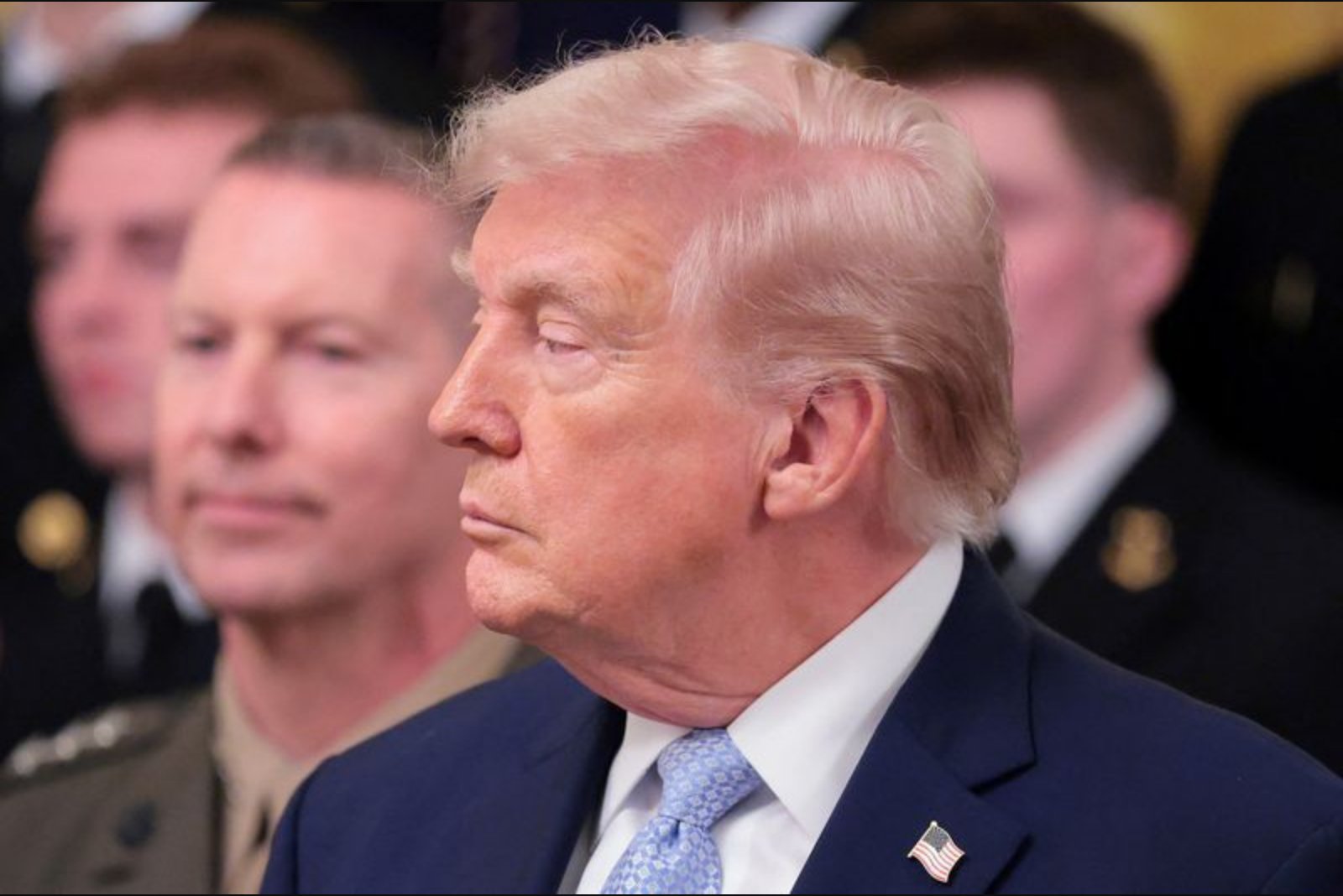
Four weeks into the Iran war, President Donald Trump plans to move his public focus from overseas military action back to domestic law-and-order themes with a visit to Memphis, Tennessee on Monday. The stop is designed to showcase what the administration calls a crime crackdown as Republicans prepare for high-stakes midterm elections in November.
Administration officials are expected to deliver forceful rhetoric on crime and immigration, a return to issues they believe will play well with voters. The trip comes amid ongoing military decisions and economic uncertainty linked to the conflict, and follows a contentious period earlier this year over federal enforcement tactics in Minneapolis.
The federal surge to Memphis began in September after the city registered the highest rate of violent crime per capita in the country, according to the FBI. The White House established the Memphis Safe Task Force and issued an order at the time that mobilized National Guard troops to assist patrols. That order included language saying, "The city, a beacon of American culture that was Elvis’s home and is often called the birthplace of rock and roll and the blues, should be safe and secure for all of its citizens."
Local law enforcement data show overall crime in Memphis is down about 43% compared with the same period last year. Officials associated with the task force reported nearly 7,000 arrests and the seizure of almost 1,100 illegal firearms since the crackdown began.
Political context
Trump’s senior political advisers want him to emphasize everyday economic pressures, but the recent focus on foreign policy has at times overshadowed domestic visits, even in Republican-governed areas. Economically, the Iran war has contributed to higher fuel costs after the U.S. and Israel began attacking Iran on February 28, with disruptions in oil and gas exports from the Middle East tied to the hostilities.
Travel industry data compiled by AAA indicate average gas prices in Tennessee are more than $1 per gallon higher than they were a month earlier. Reflecting public frustration over rising fuel bills, Kimberly Jenkins, 55, a hospital administrator visiting Memphis from Houston, Texas, said, "We’re in a war that we know nothing about, and we really do make a decent salary, but gas is getting too expensive for us."
Republicans see an opportunity in publicizing a decline in crime within a large city, hoping to reframe the debate on issues they have historically emphasized ahead of the November midterms, where the party aims to build on narrow congressional majorities.
Immigration enforcement and political trade-offs
In recent weeks, top immigration officials in the Trump administration have pointed to the Memphis operation as a constructive model. Some local Democratic leaders welcomed the intervention, and administration officials have contrasted the Memphis approach with the more aggressive enforcement tactics used earlier in Minneapolis. Those Minneapolis operations sparked large protests after federal agents fatally shot two U.S. citizens there.
After the incidents in Minneapolis, then-Homeland Security Secretary Kristi Noem said in January, "We don’t have this problem" in Memphis, commenting after the second fatal shooting by immigration officers in Minneapolis. Since that period, the president has taken steps to recalibrate enforcement strategy: he replaced Noem, told governors he would only dispatch agents if they requested help, and instructed officials to pursue a more "targeted" approach.
That tactical shift is presented by the administration as politically advantageous heading into the November elections. Public sentiment toward deportation remains divided but shows majority support: a Reuters/Ipsos poll conducted last month found about 61% of respondents - including 92% of Republicans and 35% of Democrats - said they "support deporting unauthorized immigrants," while generally disapproving of hard-line tactics used by the administration.
Local reaction
On the night before the presidential visit, people on Beale Street, the neon-lit stretch known for its blues and jazz heritage, expressed mixed views about the visible law-enforcement presence. "The crazy presence of National Guard and ramped-up police is only in the predominant tourist areas," said 33-year-old law student Darius O’Neal, questioning whether the surge is politically motivated.
Others welcomed the added security. Dewayne Hambrick, a 60-year-old Memphis photographer who identifies as a Democrat, acknowledged continuing crime problems but said, "I think it’s been great that the law enforcement is here."
As Trump highlights the Memphis operation, the administration is seeking to recenter domestic political debate on safety and border control even as the Iran war and its economic ripple effects remain a prominent concern for voters and markets.