
Politics February 4, 2026

Trump Administration to Pull Back 700 Immigration Agents in Minnesota, About 2,000 Will Stay

White House border official cites new cooperation from county sheriffs even as enforcement continues and legal disputes persist

By Leila Farooq
Trump Administration to Pull Back 700 Immigration Agents in Minnesota, About 2,000 Will Stay

The Trump administration will reduce its federal immigration enforcement presence in Minnesota by 700 agents while leaving roughly 2,000 on the ground, White House border official Tom Homan said on Wednesday in Fort Snelling. Homan framed the partial drawdown as a response to cooperation from county sheriffs that operate local jails, but stressed that mass deportation efforts and daily enforcement actions will continue nationwide. Minnesota, governed by Democrats, has sued the administration over the surge of agents amid sustained protests and disputes over local jail cooperation.

Key Points

  • The administration will reduce its federal immigration enforcement force in Minnesota by 700 agents while leaving about 2,000 agents in place.
  • Officials cite increased cooperation from elected county sheriffs who run local jails as a reason for the partial drawdown.
  • The sustained deployments and enforcement posture have generated legal action and weeks of protests, with implications for local government and law enforcement operations.

FORT SNELLING, Minnesota - The Trump administration announced a partial reduction in its Minnesota immigration enforcement deployment on Wednesday, cutting 700 federal agents while retaining about 2,000 personnel in the state, White House border czar Tom Homan said at a news conference.

Homan said the pullback was in part a response to what he described as "unprecedented" cooperation from elected county sheriffs who manage many local jails across Minnesota. He stressed, however, that the reduction does not signal any retreat from the administration's broader enforcement objectives.

"Let me be clear, President Trump fully intends to achieve mass deportations during this administration, and immigration enforcement actions will continue every day throughout this country," Homan said. "President Trump made a promise. And we have not directed otherwise."

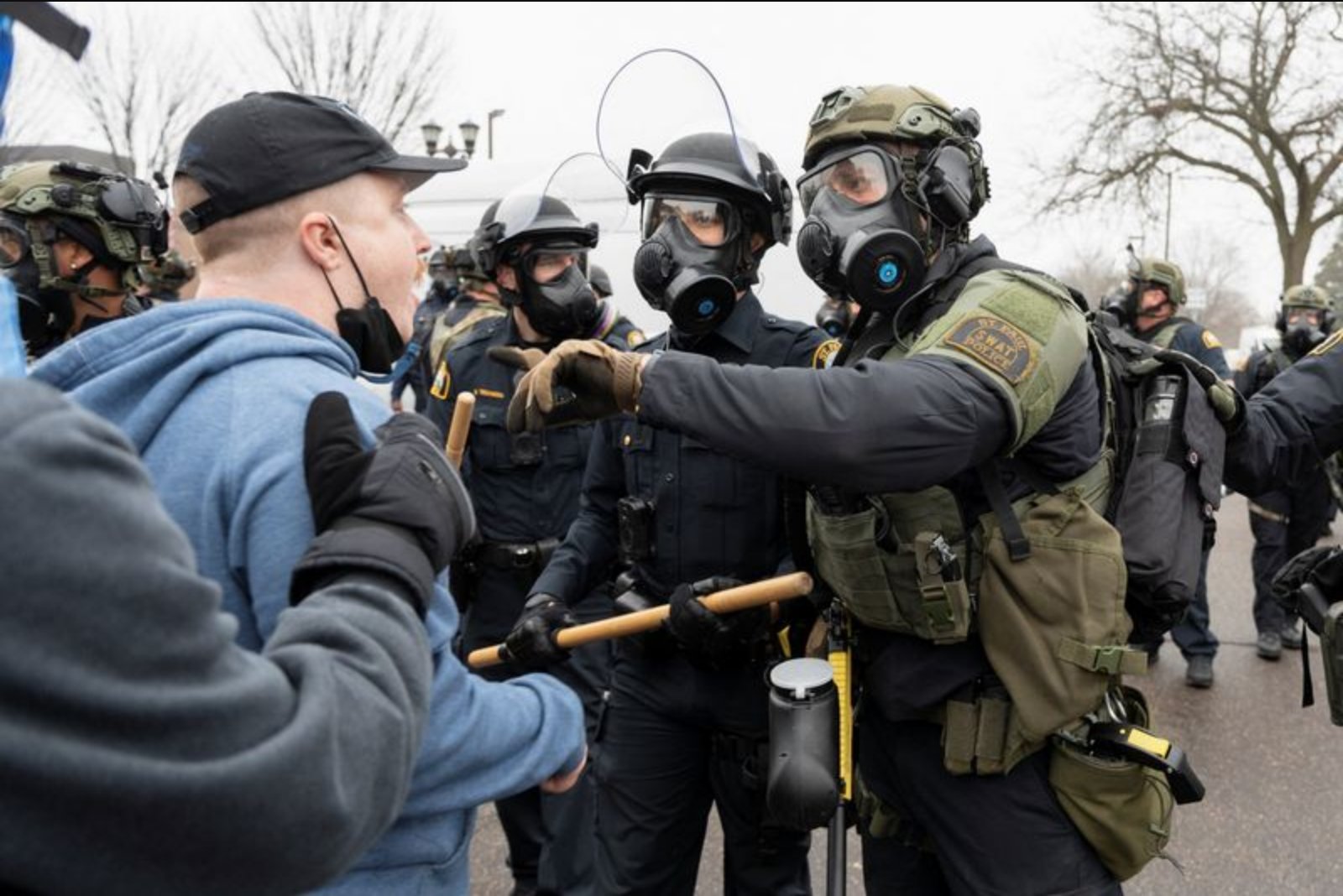
The administration deployed thousands of armed immigration enforcement agents in and around Minneapolis earlier this year with the stated aim of detaining and deporting migrants. Those deployments have prompted weeks of protests across the state.

Legal and political pushback has followed the surge: Minnesota, a state governed by Democrats, has brought suit against the federal government over the troop-like deployments. The confrontations surrounding the surge have been marked by violence, including the killings of two U.S. citizens by federal agents, incidents that have intensified scrutiny and protest activity.

Homan said the administration wants more Minnesota jails to accept transfers so immigration agents can move custody of detained migrants into federal hands. He acknowledged that some county jails already cooperate with federal immigration authorities, while others do not. Notably, the main jail in Minneapolis does not accept such transfers.

City policies in Minneapolis and other municipalities further complicate federal efforts. Those local rules bar employees, including police officers, from asking about a person's immigration status or cooperating with federal immigration enforcement. Local officials say those protections are intended to preserve public safety by ensuring migrants who are victims or witnesses to crime are not deterred from coming forward.

The administration's stated goal of large-scale removals and its continued daily enforcement actions underscore that, despite the partial drawdown in Minnesota, federal immigration activity will remain a persistent presence in the state and nationwide.


Risks

  • Ongoing legal disputes - Minnesota has sued the administration over the surge of agents, creating legal uncertainty for enforcement operations and state-federal relations.
  • Public safety and civil unrest - weeks of protests and violent incidents, including the killings of two U.S. citizens by federal agents, indicate risks to community relations and local order.
  • Variable local cooperation - inconsistent policies among county jails and cities, including Minneapolis' refusal to accept transfers, limit federal ability to transfer custody and may complicate enforcement logistics.

More from Politics

Democrats roll out 'Local Listeners' to re-engage sporadic voters in competitive states Feb 4, 2026 Senators Seek New Controls on Sale of Synthetic Gene Sequences to Curb Biothreat Risks Feb 4, 2026 New York and New Jersey Ask Court to Restore Funding for $16 Billion Hudson Tunnel Feb 3, 2026 Minnesota Says It Already Cooperates With ICE — But Stops Short of Granting Wider Jail Access Feb 3, 2026 Clintons to Give Testimony in Epstein Inquiry Later This Month; Contempt Vote Temporarily Paused Feb 3, 2026