
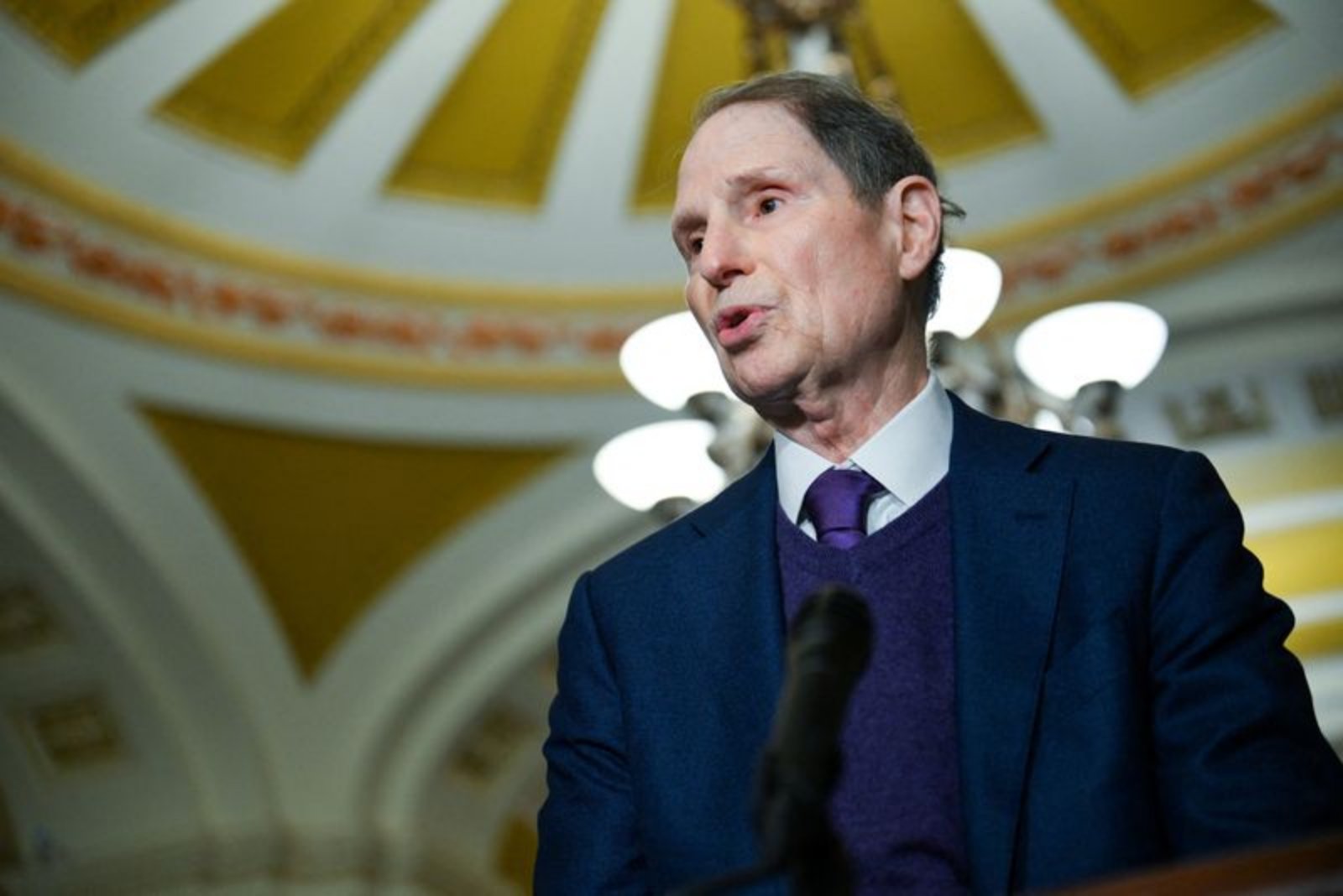
WASHINGTON, Jan 29 - The top Democrat on the Senate Finance Committee has formally asked the Office of the U.S. Trade Representative (USTR) to account for the decision to reduce tariffs on imports from Switzerland to 15% from an earlier 39% level. The request follows revelations that the tariff adjustment occurred shortly after a meeting in which Swiss business leaders presented the U.S. president with expensive gifts.
In a letter to USTR Jamieson Greer, Senator Ron Wyden asked for a series of specific explanations to be provided by February 11. Wyden requested details on which officials were involved in establishing the initial 39% tariff rate and the rationale for that level; which officials subsequently recommended lowering the duties; and whether Swiss negotiators notified USTR about the gifts that were given to the president.
The tariff reduction was referenced publicly by the president during a speech in Davos, Switzerland last week. In that speech the president said he had agreed to reduce the 39% tariff to 15% following pressure from Swiss companies, naming Rolex among the firms involved. He added the reduced rate could be reversed in the future.
According to the president's remarks reported in Davos, his original plan was to set the tariff on Swiss imports at 30%, but he increased it to 39% after a meeting last year with then-Swiss President Karin Keller-Sutter, saying she "just rubbed me the wrong way, I'll be honest with you."
Swiss lawmakers last year asked prosecutors to investigate whether the gifts presented during the visit - reportedly including a Rolex watch and a gold bar - violated Swiss anti-bribery statutes. A member of the business delegation that met with the president said in November that the delegation complied with the laws of both countries.
In his letter, Wyden framed the issue as one of public interest and transparency. He wrote that the American public, along with U.S. importers and consumers who ultimately bear the cost of tariffs, are entitled to trade policy set in the public interest rather than according to the president's personal inclinations. Wyden further said the president's agreement to lower tariffs after receiving gifts "creates a perception that lavishing gifts on the president, rather than negotiating with USTR, is the best way for trading partners to engage with the United States."
Wyden also highlighted timing in his concerns, noting that the decision to reduce the tariff came just days after the president accepted the gifts. He cited reports that the gifts included a personalized gold bar valued at more than $130,000 and said that sequence of events raised "an apparent conflict of interest" and the possibility of violations of the U.S. Constitution.
No comment was immediately available from USTR.
Contextual notes - The requests in Wyden's letter focus on three narrow matters: who set the 39% tariff and why; who recommended lowering it to 15%; and whether USTR was informed about the gifts presented to the president. The public statements by the president in Davos and the Swiss parliamentary request for a legal review of the gifts provide the backdrop to the senator's probe.